The European lubricant market is renowned worldwide for its stringent quality standards, cutting-edge additive technology, and adherence to some of the most rigorous environmental and performance specifications.
For distributors, auto part retailers, and large-scale service centers, buying European engine oil wholesale represents a tremendous opportunity to access premium products that modern high-performance vehicles demand.
However, the process is far more complex than simply placing an order. Sourcing lubricants from across the Atlantic or from specialized European manufacturers involves navigating a labyrinth of regulatory specifications, logistical challenges, financial considerations, and supplier verification steps.
This comprehensive guide will walk you through the essential components of purchasing European engine oil at wholesale volumes.
Quick Summary: How to Buy European Engine Oil Wholesale
To successfully buy European engine oil wholesale, B2B importers must verify genuine ACEA sequences and formal OEM approvals, audit blender ISO credentials, select optimal container formats (208L drums, 1000L IBCs, 20ft containers), establish clear Incoterms (EXW/FOB/CIF), decide between branded or private label white-labeling, and hedge Euro exchange rate risks.
6 Pillars of Successful European Lubricant Importing:
- Genuine ACEA & OEM Approvals
- Blender Audit & ISO Verification
- Container Logistics & MOQ Planning
- Branded vs Private Label White-Labeling
- Currency Hedging & Payment Terms
- True Landed Cost Calculation
The goal is to secure high-tier European lubricants that command premium resale prices while ensuring flawless compliance, zero counterfeit risk, and reliable supply continuity.
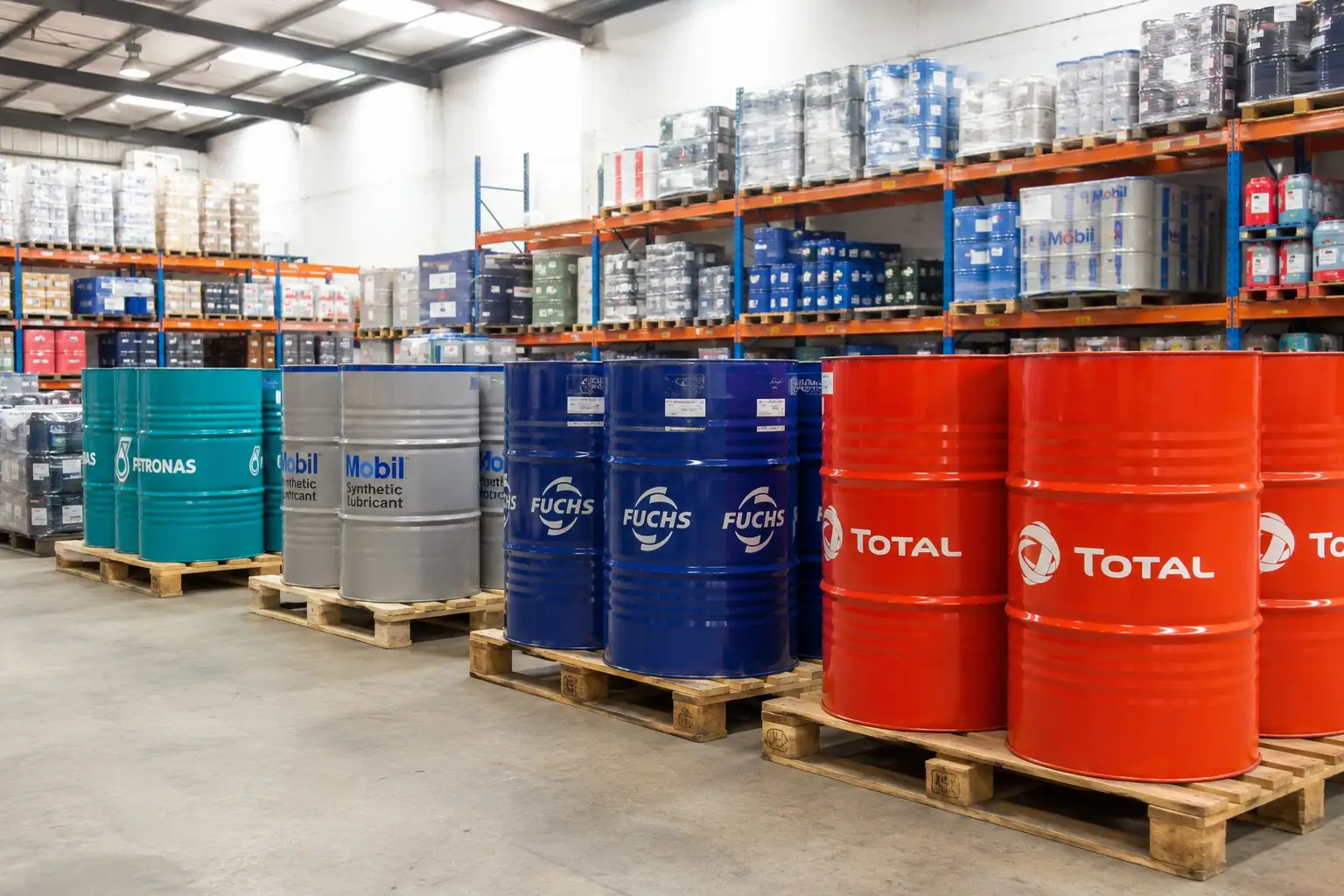
Table of Contents
- 1 The Importance of ACEA Sequences and OEM Approvals
- 2 Verifying Blenders and Manufacturers
- 3 Minimum Order Quantities (MOQ) and Logistics
- 4 White-Labeling vs. Branded Imports
- 5 Navigating Euro Exchange Rates & Financial Strategies
- 6 European Engine Oil Import Sourcing Checklist
- FAQ Frequently Asked Questions
- ✓ Conclusion
The Importance of ACEA Sequences and OEM Approvals
When dealing with European engine oils, the American Petroleum Institute (API) specifications often take a back seat to the European Automobile Manufacturers' Association (ACEA) sequences. European vehicles, from Volkswagen and BMW to Mercedes-Benz and Volvo, require specific ACEA ratings (such as A3/B4, C3, or C5) to ensure optimal engine performance, emissions system compatibility, and longevity.
When buying wholesale, you must ensure that your supplier's products meet the exact ACEA sequences required by your target market. Furthermore, true European engine oils often carry specific Original Equipment Manufacturer (OEM) approvals.
A reputable blender will have formal approval letters from the OEMs, not just claims that their oil "meets or exceeds" specifications. Verifying these approvals is critical; selling non-approved oil for vehicles under warranty can lead to catastrophic liability issues for your B2B customers.
Key European OEM Approvals to Audit
Read our full breakdown of standards in API vs ACEA: complete engine oil specification guide and learn fleet application requirements in how to choose engine oil for commercial fleets.
Verifying Blenders and Manufacturers
The European market is home to both massive multinational energy corporations and independent, highly specialized boutique blenders. As a wholesale buyer, verifying the legitimacy and quality of your chosen blender is paramount. Look for ISO 9001 (Quality Management) and ISO 14001 (Environmental Management) certifications as baseline indicators of a professional operation.
Furthermore, ask for a Certificate of Analysis (COA) for every batch of oil you intend to purchase. A reliable blender will have an in-house laboratory to conduct rigorous testing on both raw base oils and the finished product.
Don't hesitate to request a sample for independent third-party testing before committing to a massive contract. Establishing a direct relationship with the blender, or their authorized export department, reduces the risk of encountering counterfeit products, a known issue in the global lubricants trade.
Batch Certificate of Analysis (COA)
Insist on lab test results for kinematic viscosity, TBN, density, and flash point for every shipment.
Direct Blender Vetting
Verify ISO certifications and ensure you are dealing directly with authorized export representatives.
Third-Party Lab Testing
Send pre-shipment samples to accredited labs to verify formulation integrity before dispatch.
Learn pre-purchase quality inspection steps in how to check engine oil quality before buying in bulk and protect against fake products with hidden traps when buying engine oil wholesale in bulk.
Minimum Order Quantities (MOQ) and Logistics
Wholesale purchasing from Europe invariably brings Minimum Order Quantities (MOQ) into the discussion. European blenders typically structure their MOQs based on shipping efficiencies.
You will rarely find a wholesale exporter willing to ship less than a full 20-foot container (TEU) or at least several standard IBC totes (Intermediate Bulk Containers). A 20-foot container can hold approximately 80 drums (208 liters each) or roughly 20 pallets of smaller packaged goods (e.g., 1-liter and 5-liter jugs).
When negotiating MOQs, consider your inventory turnover rate and warehousing capabilities. While buying in larger quantities (such as 40-foot containers or flexitanks) significantly reduces the per-liter shipping cost, it ties up substantial capital and requires specialized handling equipment.
Additionally, factor in the Incoterms (e.g., EXW, FOB, CIF, DDP) which dictate who is responsible for the freight, insurance, and import duties at various stages of the journey.
| Packaging Format | 20ft FCL Container Capacity | Target Buyer Segment |
|---|---|---|
| 208L Steel Drums | 80 Drums (~16,640 Litres) | Fleet workshops & regional distributors |
| 1,000L IBC Totes | 18–20 Totes (~18,000–20,000 Litres) | Commercial fleet depots & bulk repackagers |
| 1L / 4L / 5L Jugs (Palletized) | 20 Pallets (~12,000–15,000 Litres) | Auto part retail chains & e-commerce sellers |
| Bulk Flexitank | 1 Flexitank (~24,000 Litres) | High-volume blending & bottling plants |
Compare shipping terms in FOB vs CIF vs DDP vs EXW when buying engine oil and explore bulk formats in bulk engine oil for fleets: drums vs IBC totes.
White-Labeling vs. Branded Imports
One of the most critical strategic decisions you will face is whether to import established European brands or to utilize a European blender for white-label (private label) manufacturing.
Branded Imports
Importing well-known European brands provides immediate market recognition. Consumers and mechanics already trust these names, reducing your marketing burden.
High instant customer trust & pull demand
Existing OEM approval credentials
Tighter profit margins per litre
Risk of parallel imports & regional competition
White-Labeling (Private Label)
Creating your own brand using European-blended oil offers significantly higher profit margins and exclusive control over your market territory.
Maximum profit margins & pricing power
100% exclusive territory ownership
Requires upfront marketing investment
Contractual IP & formulation consistency audit needed
Read how customer segments impact product selection in how to choose engine oil for retail vs fleet customers and avoid excess inventory using how to avoid dead stock when buying engine oil wholesale.
European Engine Oil Import Sourcing Checklist
Confirm these 12 vital technical and commercial requirements before signing a wholesale supply contract with a European blender:
Read warehouse management guidelines in how to store engine oil properly in a warehouse and bulk export purchasing in how to buy engine oil in bulk for export.
Looking to Import European Engine Oils Wholesale?
REIFTEIL connects global B2B buyers directly with certified European blenders. Source OEM-approved synthetic lubricants in drums, IBC totes, and flexitanks at competitive wholesale prices.
REIFTEIL Wholesale Import Advantages:
Frequently Asked Questions
What makes European engine oil different from North American engine oil?
European engine oils are formulated to strictly adhere to ACEA sequences and stringent OEM approvals (such as VW 504.00/507.00, BMW Longlife-04, MB-Approval 229.51/229.52). They feature advanced additive packages and synthetic base stocks engineered for high shear stability, extended drain intervals, and compatibility with complex DPF and GPF exhaust aftertreatment systems.
What are ACEA oil sequences and why are they important?
ACEA (European Automobile Manufacturers' Association) sequences are European lubricant standards that specify strict performance criteria for passenger car and heavy-duty diesel engines. Unlike general API specs, ACEA requirements enforce higher HTHS viscosity, superior oxidation resistance, and low SAPS chemistry essential for European vehicles.
What is the typical Minimum Order Quantity (MOQ) for importing European engine oil?
Most European blenders and wholesale exporters structure MOQs around full container loads. A standard 20-foot container (FCL) typically holds 80 steel drums (208L each), 18-20 IBC totes (1,000L each), or approximately 20 pallets of packaged 1L/4L/5L jugs.
How do I verify if a European lubricant blender is genuine?
Verify ISO 9001 and ISO 14001 quality certifications, request formal OEM approval letters directly from vehicle manufacturers (VW, Mercedes-Benz, BMW), inspect batch-specific Certificates of Analysis (COA), and test independent pre-shipment samples.
Is it better to import branded European oil or white-label (private label)?
Branded imports offer immediate market recognition and consumer trust but come with lower margins and territorial restrictions. White-label private branding yields significantly higher profit margins and exclusive territory ownership, but requires upfront investment in local brand marketing.
What Incoterms should be used when importing engine oil from Europe?
FOB (Free on Board) at a major European port (e.g., Rotterdam, Hamburg, Antwerp) is ideal for experienced importers who manage ocean freight contracts. CIF (Cost, Insurance, and Freight) is suitable for buyers wanting seller-managed shipping, while EXW (Ex Works) leaves all transport to the buyer.
How do Euro currency exchange fluctuations affect B2B lubricant imports?
European transactions are denominated in Euros (EUR). Currency fluctuations directly impact landed cost. Importers mitigate forex risk using financial hedging instruments like forward contracts, locking in exchange rates to protect profit margins.
What is a Certificate of Analysis (COA) in lubricant wholesale?
A Certificate of Analysis (COA) is an official laboratory document issued by the blender for every production batch. It details exact physical and chemical test results, including kinematic viscosity at 40°C and 100°C, Viscosity Index, Flash Point, Pour Point, Density, TBN, and element concentrations.
Bottom-line
Buying European engine oil wholesale is a multifaceted endeavor that demands meticulous attention to technical specifications, rigorous supplier vetting, and astute financial management.
By prioritizing genuine ACEA sequences, verifying blender credentials, carefully managing MOQs and shipping logistics, choosing the right branding strategy, and hedging against currency risks, your business can successfully capitalize on the high demand for premium European lubricants.
The investment in due diligence upfront will yield significant dividends in product quality, customer satisfaction, and long-term profitability.