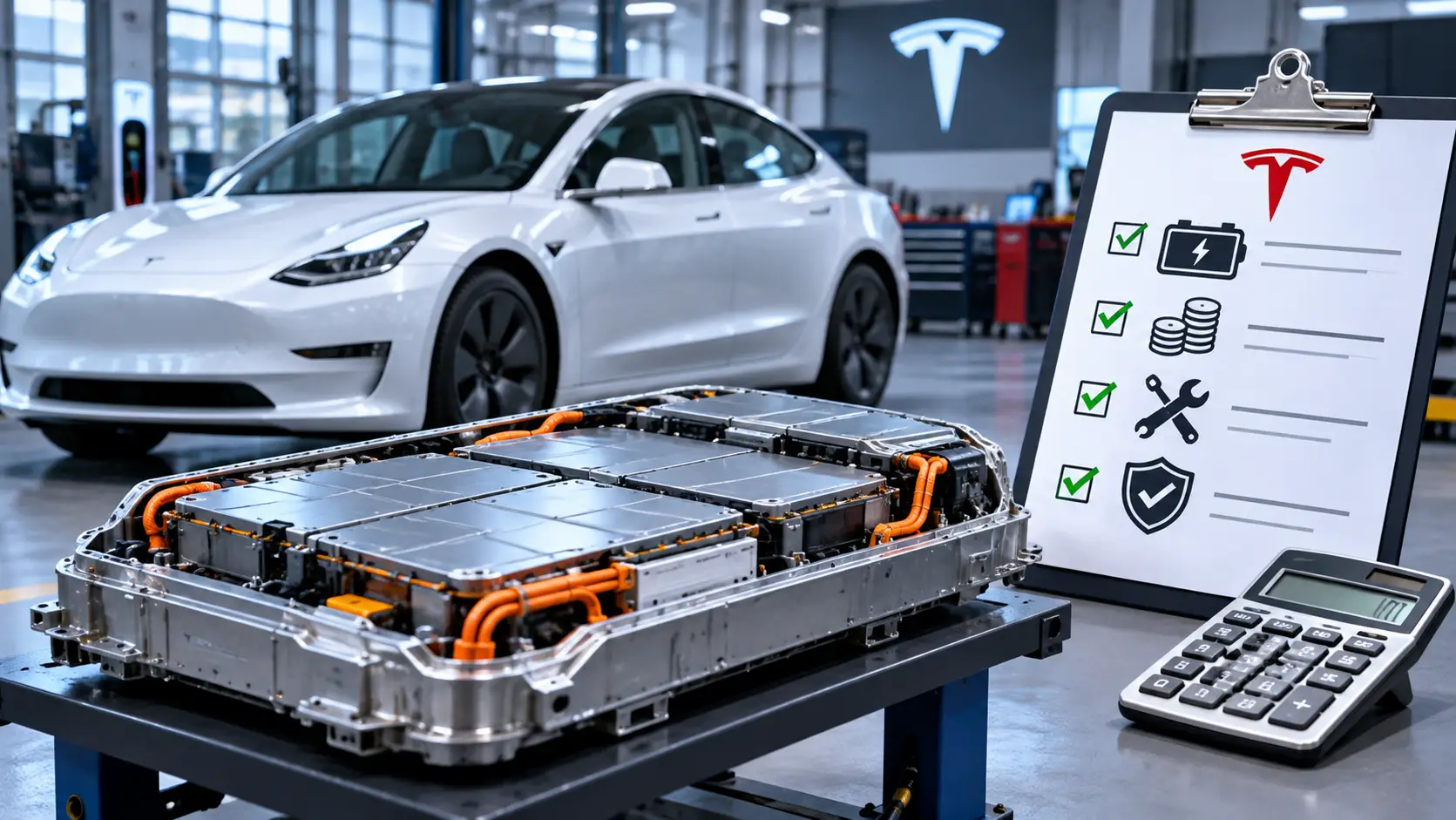
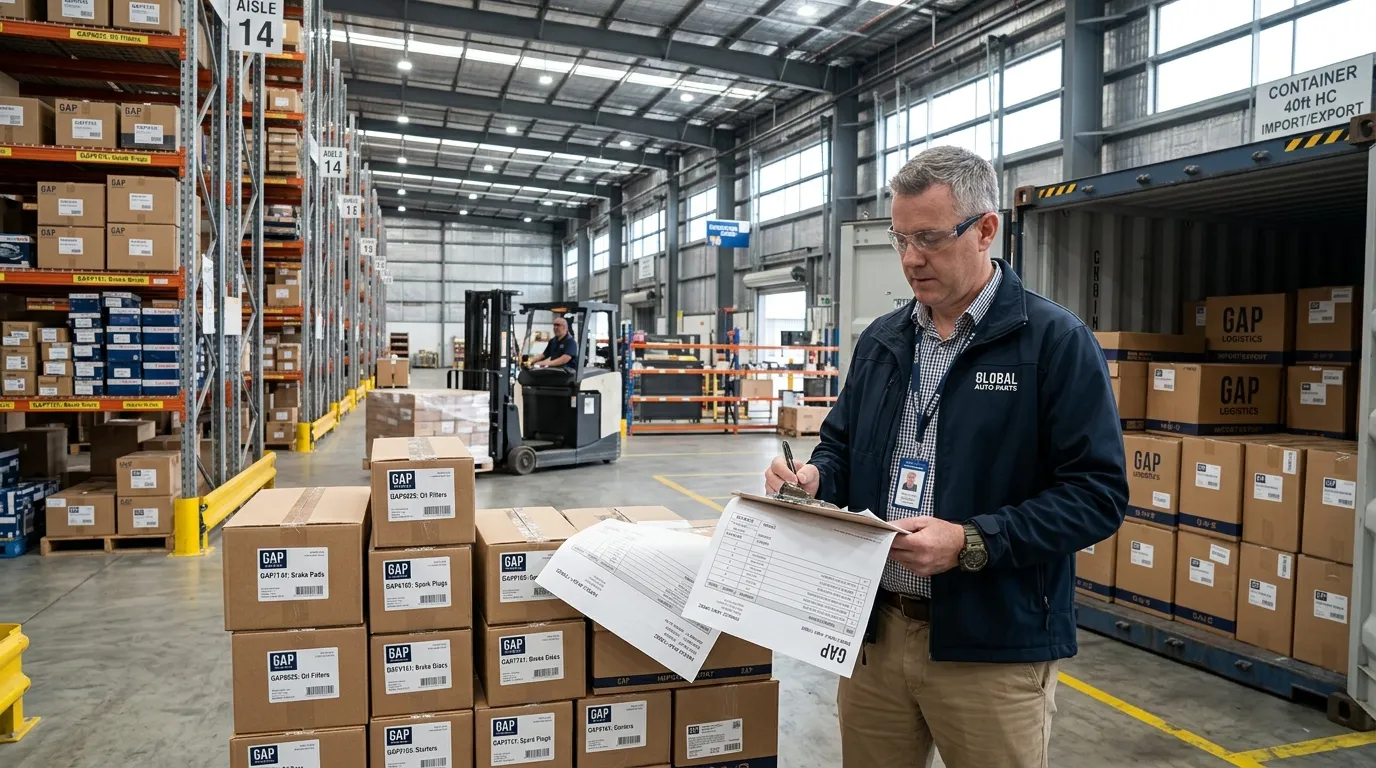
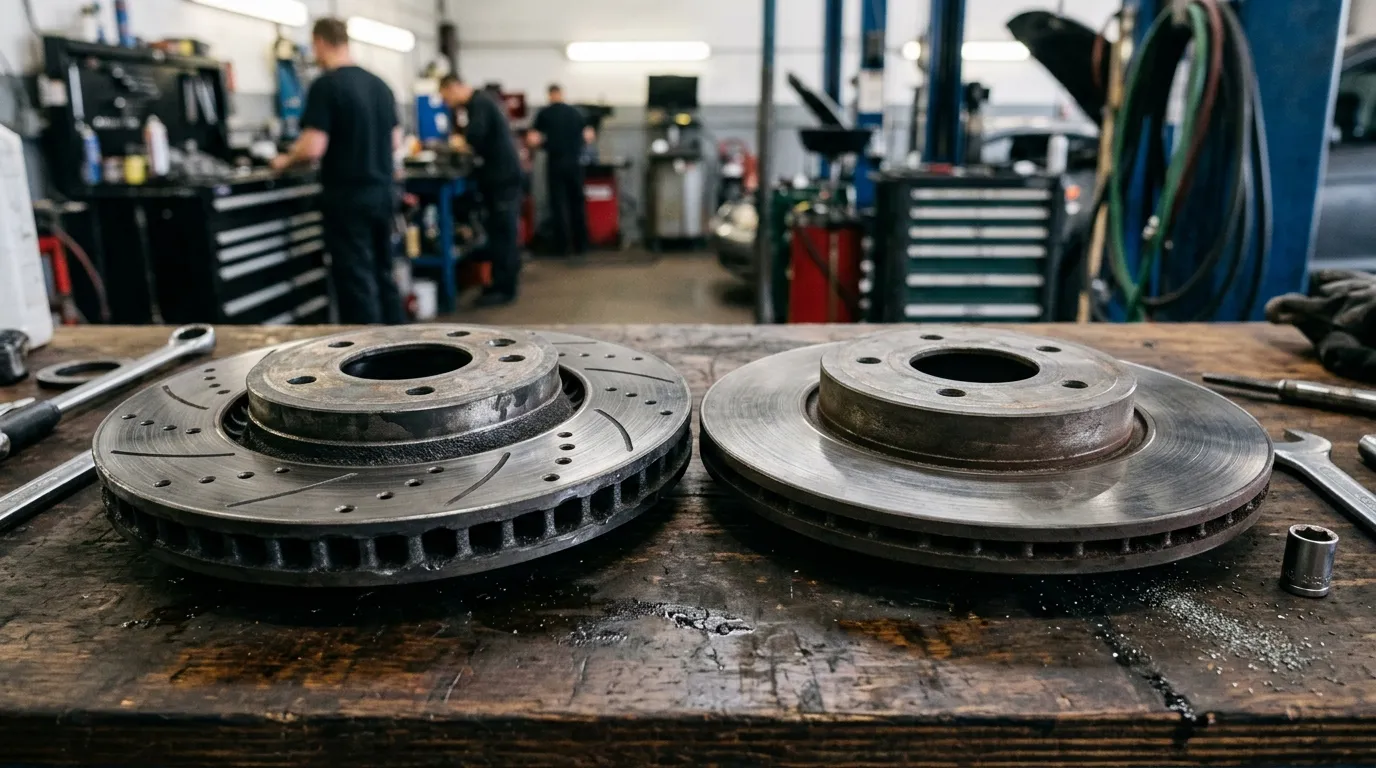
Understanding the exact metallurgical, dimensional, and economic boundaries between these manufacturing tiers is essential for building a profitable auto parts business. Sourcing both OEM-grade and certified aftermarket components directly is easy with the REIFTEIL Wholesale Auto Spare Parts Catalog.
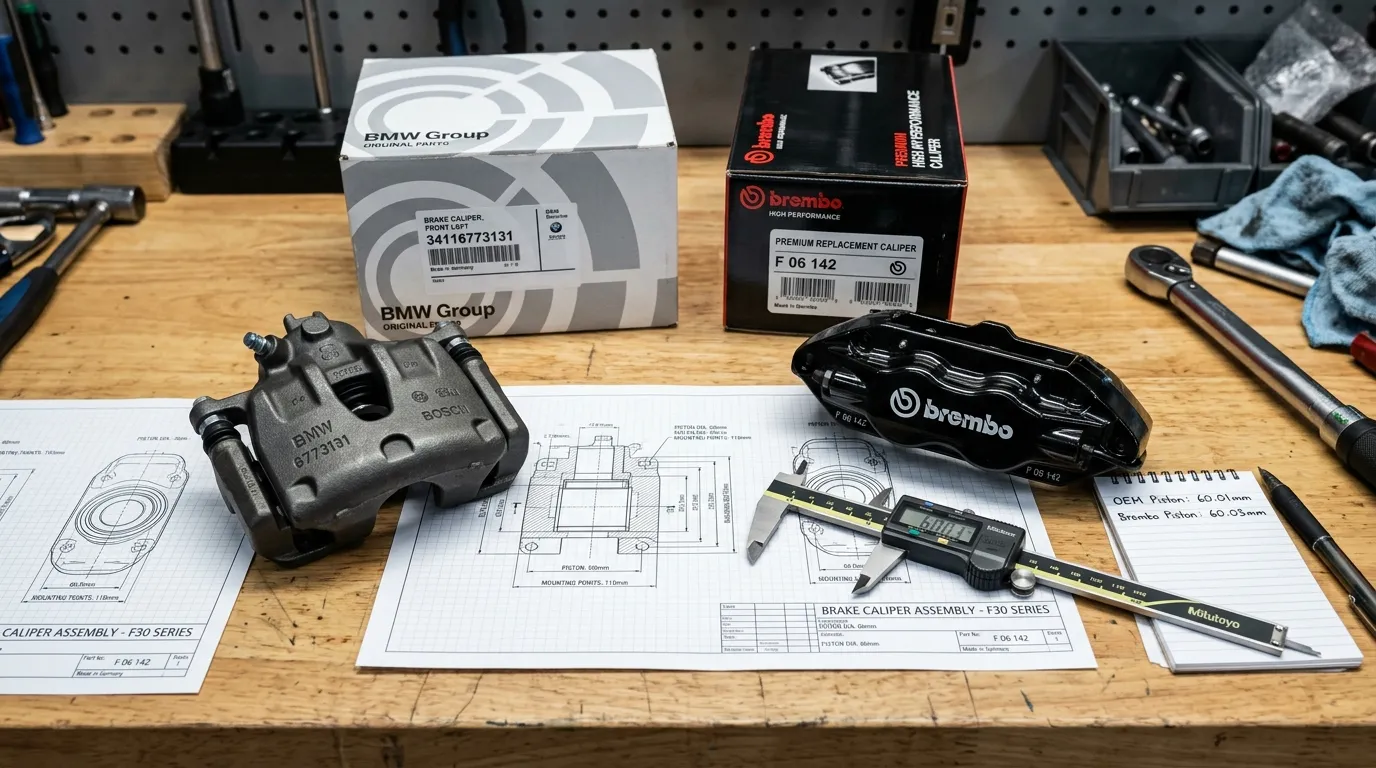
Precision Tolerance Audit: Benchmarking piston bore concentricity and cast iron metallurgy between Genuine OE boxed components and Tier-1 aftermarket brands.
Quick Summary: The 4 Auto Parts Quality Tiers
Carmaker logo box (BMW, VW, Mercedes). Highest price point, 12%–20% distributor margin.
Identical Tier-1 factory assembly line (Bosch, Brembo, Sachs). 50%–70% of OE price, 20%–30% margin.
IATF 16949 certified factories (Febi, Meyle, TRW). 30%–50% of OE price, 35%–55% distributor margin.
Low-cost contract foundries with variable QA. 15%–30% of OE price, 40%–60% margin, high RMA risk.
Decoding Automotive Terminology: Genuine OE vs. OEM vs. OES vs. Aftermarket
The automotive industry uses overlapping acronyms. Here is how engineers and supply chain managers define them:
- Genuine OE (Original Equipment): Parts packaged in official carmaker box packaging (e.g. Mercedes-Benz blue box). Produced by contract Tier-1 suppliers with carmaker logos stamped on the metal or housing.
- OEM (Original Equipment Manufacturer): The Tier-1 factory supplier (e.g. Bosch, Brembo, Sachs, Valeo, TRW) that designed and produced the part for the carmaker's new vehicle assembly line. Sold in the supplier's own branded box.
- OES (Original Equipment Supplier): Parts manufactured by the original supplier specifically for dealership warranty service networks. OEM and OES are frequently used interchangeably.
- Aftermarket: Replacement parts manufactured by independent companies (e.g. Febi Bilstein, Meyle, Blueprint) designed to meet or exceed original OE specifications for fitment and performance.
The Engineering Reality: Inside the OEM Assembly Line
Car manufacturers are primarily vehicle design, assembly, and marketing companies. In fact, over 70% of a vehicle's mechanical components are engineered and produced by specialized Tier-1 suppliers.
Real-World Manufacturing Benchmark:
When Brembo casts a ventilated brake disc for an Audi S4, both the rotors sent to Audi assembly plants (stamped with the 4-ring Audi logo) and the rotors sent to independent wholesale distributors (stamped with the Brembo logo) come from the exact same foundry furnace, undergo identical CNC lathe milling, and use identical GG20 gray cast iron alloy. The only difference is the cardboard box and dealership price markup.
To learn how part numbers are formatted across OE and OEM suppliers, read OE Number vs OEM Number vs Aftermarket Part Number Explained.
Financial Comparison: Price, Margins, and Total Landed Value
Comparing the 4 quality tiers across manufacturing origin, branding, price point, and distributor margin:
| Tier / Classification | Manufacturing Source | Packaging & Branding | Average Price vs OE | Distributor Margin |
|---|---|---|---|---|
| 1. Genuine OE (Original Equipment) | Tier-1 OEM factory under contract to carmaker | Automaker Box (e.g. BMW, VW, Mercedes) | 100% (Baseline) | 12% – 20% |
| 2. OEM / OES (Original Equipment Mfr) | Identical Tier-1 factory assembly line | Manufacturer Box (Bosch, Brembo, Sachs, Valeo) | 50% – 70% of OE | 20% – 30% |
| 3. Certified Premium Aftermarket | Independent ISO/IATF 16949 certified factories | Aftermarket Brand (Febi, Meyle, TRW, Delphi) | 30% – 50% of OE | 35% – 55% |
| 4. Budget / White-Label Generic | Low-cost contract foundries (mixed QA) | Plain white box or private label | 15% – 30% of OE | 40% – 60% (High RMA Risk) |
For strategies on blending these tiers in your product mix, read How to Build a Profitable Auto Parts Inventory.
When to Buy OEM vs. When Aftermarket Makes Business Sense
Successful distributors divide their purchasing strategy into two category rules:
Strict OEM / Tier-1 Priority:
- Engine Management Sensors: Mass air flow (MAF), oxygen (Lambda), and crank position sensors require OEM signal calibration to prevent ECU check engine lights.
- Complex Drivetrain Assemblies: Dual-mass flywheels (LUK/Sachs) and electronic clutch actuators.
- High-Pressure Fueling: Common-rail diesel injectors and high-pressure fuel pumps (Bosch/Continental).
- Electronic Steering Racks: Electric power steering (EPS) motors and torque angle sensors.
High-Margin Aftermarket Sweet Spot:
- Wear & Tear Braking: Brake Pads Need Replacing" class="internal-link font-semibold text-blue-600 hover:text-blue-800 hover:underline decoration-blue-300 decoration-2 underline-offset-2 transition-colors" data-inlink="true">Brake pads and discs with ECE R90 approval (Febi, TRW, Textar).
- Chassis & Steering: Lower control arms, sway bar links, and tie rod ends (Meyle HD).
- Routine Filtration: Engine air, oil, cabin, and fuel filters (Mann-Filter, Mahle).
- Engine Cooling: Water pumps with metal impellers, radiators, and thermostat housings.
To learn how to audit quality during goods receiving, read How to Check Auto Parts Quality Before Buying in Bulk.
Legal Protection: Warranty Laws & European Block Exemption
Distributors and repair shops often face pressure from vehicle dealerships claiming that installing non-OE parts voids new car warranties. This is legally incorrect:
To avoid unverified supplier traps when purchasing bulk inventory, read The Hidden Traps When Buying Auto Spare Parts Wholesale.
Get Tier-1 OEM & Certified Aftermarket Spares at Wholesale Rates
REIFTEIL supplies certified brake systems, suspension control arms, clutch kits, and engine components directly from verified European manufacturers. Eliminate dealership markups and expand your margins.
Frequently Asked Questions
Are OEM auto parts identical to Genuine OE dealer parts?
Yes, in 95% of cases. Genuine OE parts are produced by Tier-1 OEM manufacturers (like Bosch, Brembo, Sachs, or Valeo) and stamped with the carmaker's logo (BMW, VW, Mercedes). OEM parts are produced on the same assembly lines with identical metallurgy and tolerances, but packaged in the manufacturer's own branded box.
Why are aftermarket auto parts cheaper than OEM parts?
Aftermarket manufacturers do not carry the massive vehicle R&D and automaker licensing royalty fees. They optimize high-volume tooling for mature vehicle applications and distribute through open wholesale networks rather than franchised dealership channels.
What quality certifications should I look for in aftermarket auto parts?
Look for IATF 16949 (automotive quality management system), ISO 9001, ECE R90 certification (mandatory for European brake pads and discs), and TÜV certification. These guarantee that the part meets stringent mechanical and material specifications.
Which car components should always be replaced with OEM rather than budget aftermarket?
Critical sensor electronics (MAF sensors, O2 sensors, cam/crank position sensors), dual-mass flywheels, complex turbochargers, and primary brake master cylinders should prioritize OEM to prevent premature ECU failure or calibration mismatch.
Can aftermarket auto parts void a vehicle's manufacturer warranty?
No. Under the European Block Exemption Regulation (BER) and the US Magnuson-Moss Warranty Act, carmakers cannot void a vehicle warranty simply because an aftermarket part was used, provided the part meets OEM quality specifications.
What are the typical profit margin differences between OEM and aftermarket parts for distributors?
Genuine OE and OEM parts typically yield gross distributor margins of 15% to 25% due to price transparency and brand competition. Certified aftermarket parts often yield margins of 35% to 55%, providing significantly higher profitability for workshops and retailers.
What is an OES part?
OES stands for Original Equipment Supplier. It refers to parts manufactured by the original supplier for the automaker's service and repair supply network. OES and OEM are frequently used interchangeably in the automotive industry.
How does REIFTEIL verify auto parts quality across its catalog?
REIFTEIL audits manufacturing facilities against IATF 16949 standards, performs pre-shipment dimensional and metallurgical spot checks, and sources directly from authorized European and German distribution hubs.