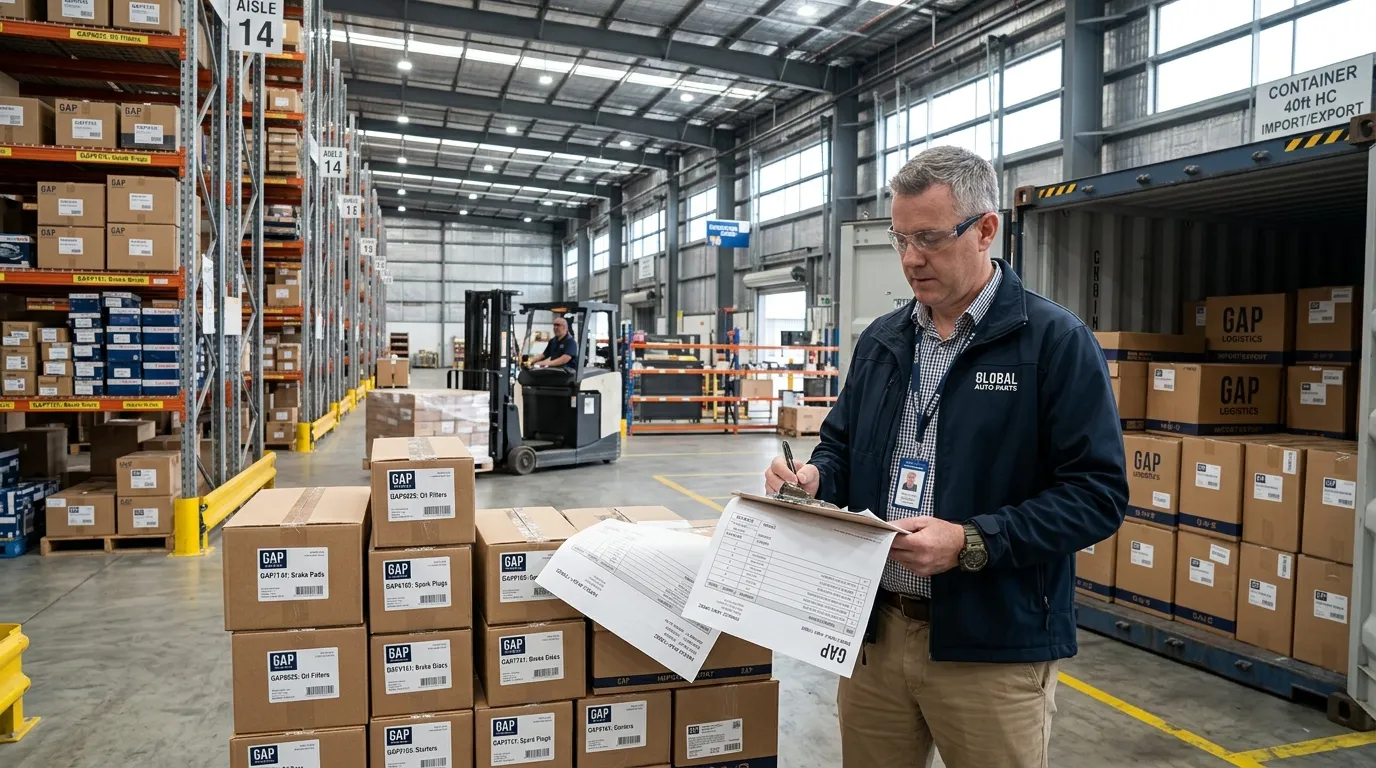
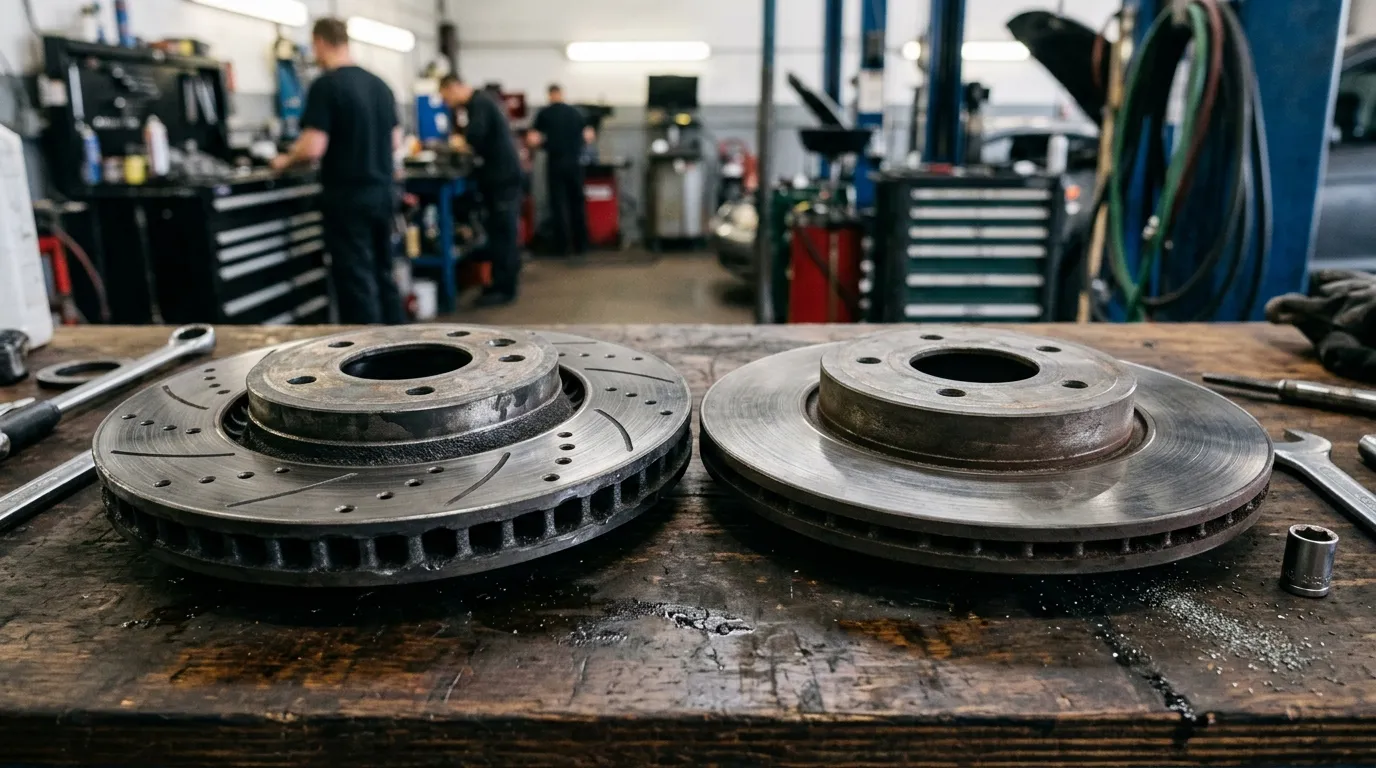
In the B2B auto parts trade, profit margins are built on high stock turnover, low return rates, and reliable supplier contracts. Unexperienced buyers often fall victim to unverified supplier claims, incomplete accessory kits, and unstated core deposit return rules.
This in-depth guide reveals the 7 most common procurement traps in Wholesale Auto Parts" class="internal-link font-semibold text-blue-600 hover:text-blue-800 hover:underline decoration-blue-300 decoration-2 underline-offset-2 transition-colors" data-inlink="true">wholesale auto parts sourcing and provides an actionable checklist to protect your capital. Source 100% verified genuine spares on the REIFTEIL Wholesale Auto Spare Parts Portal.
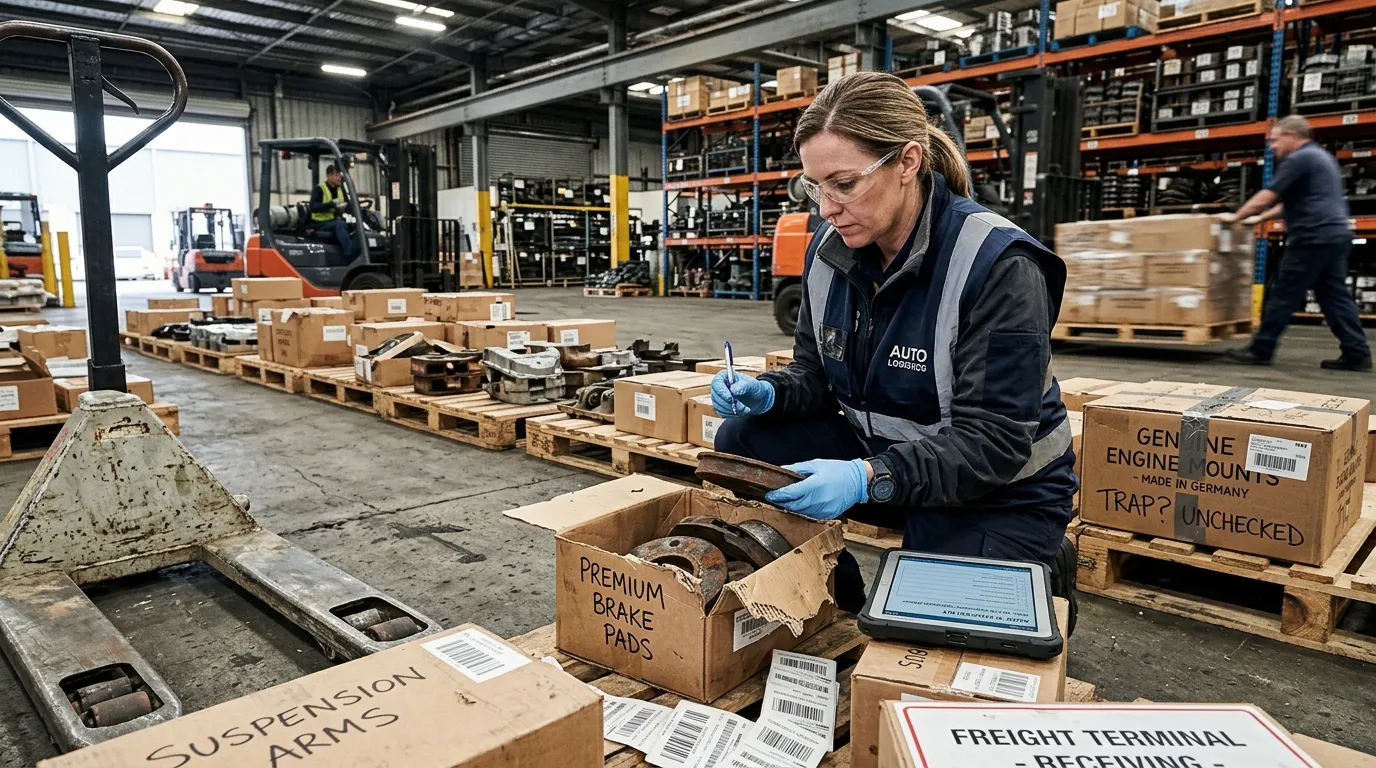
Receiving Audit: Inspecting opened shipment containers for missing hardware kits, uncertified OES claims, and damaged packaging.
Quick Summary: The 7 Wholesale Auto Parts Sourcing Traps
Why Wholesale Auto Parts Sourcing Is Risky
Unlike simple consumer goods, automotive replacement components must fit precise mechanical tolerances and comply with strict safety regulations. A single wrong part number or missing mounting bolt halts a repair job at a workshop, resulting in immediate order cancellation and part return.
Furthermore, when importing auto parts across international borders, small documentation oversights cause container holds, demurrage storage fines, or customs seizures. Protecting your business requires knowing how suppliers inflate apparent discounts while hiding costs.
To review general procurement errors, explore 10 Mistakes New Auto Parts Wholesalers Make When Buying Bulk.
Trap 1 — Deceptive "Re-Boxed OES" Overstock Claims
One of the oldest tricks in the wholesale trade is selling unbranded white boxes under the claim of "overstock Original Equipment Supplier (OES) parts." The seller claims that factory overruns from Tier-1 suppliers (such as Bosch, Mahle, Sachs, Brembo, or Lemförder) were packed in plain boxes to sell off at a 50% discount.
The Reality:
While true OES overstock exists, many "white box" offers contain B-grade factory rejects, surplus parts that failed quality inspection, or uncertified generic copies manufactured by unknown factories. These parts lack laser etching, serial batch numbers, or factory warranty backing.
How to Protect Yourself: Demand original manufacturer branded packaging or official batch traceability certificates. Learn how part numbers work in OE Number vs OEM Number vs Aftermarket Part Number Explained.
Trap 2 — Incomplete Hardware, Mounting Clips & Sensor Kits
A supplier offers a 20% discount on brake pads, suspension control arms, or wheel hub assemblies. You place a bulk order, only to discover upon delivery that the parts arrive without essential mounting accessories:
Brake Pads & Calipers
Missing stainless steel anti-rattle shims, caliper guide pin boots, wear sensor wires, or high-temp grease packets.
Suspension & Steering Arms
Missing single-use torque-to-yield stretch bolts, castle nuts, or cotter pins required for safe installation.
When repair workshops receive incomplete parts, they refuse installation or must source hardware kits separately—causing delays and customer complaints. Sourcing separate hardware kits erodes your wholesale profit margin.
Protection Rule: Always request a written Bill of Materials (BOM) for each SKU, explicitly stating "Includes full hardware mounting kit, shims, and sensors."
Trap 3 — Unfulfilled Core Deposit & Remanufactured Unit Traps
Remanufactured components (such as alternators, starters, brake calipers, power steering racks, and turbochargers) rely on returning the old worn component (the "core") to the factory for rebuilding.
How the Core Deposit Trap Works:
The supplier bills a core deposit fee of $50 to $200 per unit upfront. They promise full refund credit once the old cores are returned. However, the supplier's contract contains unstated core acceptance conditions:
- • Cores must be returned in original manufacturer boxes (which workshops often discard).
- • Minor hair-line cracks on core castings lead to 100% deposit forfeiture.
- • International freight costs to ship heavy cores back to the supplier exceed the deposit value.
Protection Rule: For international orders, negotiate net pricing without core deposit holds, or secure explicit written core acceptance criteria and seller-paid return shipping agreements.
Trap 4 — Port Demurrage, Storage Charges & Customs Paperwork Holds
When importing Full Container Loads (FCL) of auto parts, container terminals grant 5 to 7 "free days" to clear customs and transport the container out of the port. Once free days expire, demurrage fees of $150 to $300 per container PER DAY accumulate automatically.
Common Documentation Triggers:
- • Incorrect HS Customs Tariff Codes: Mismatching 8-digit codes for brake friction vs. steel brackets triggers customs inspection holds.
- • Missing EUR.1 / REX Origin Certificates: Failing to provide preferential origin certificates exposes shipments to full customs tariffs.
- • Non-Compliant REACH Safety Data Sheets (SDS): Missing chemical hazard documentation for lubricated parts (such as pre-greased bearings).
A 10-day port hold can cost $2,500 in unexpected demurrage fees. To calculate total landed cost correctly, read How to Calculate Your Landed Cost When Importing Auto Parts.
Trap 5 — Trim-Level & Regional Fitment Mis-cataloging
Auto parts catalogs occasionally contain text-based errors. A part listed as fitting a "2020 Volkswagen Golf" may only fit base 1.4 TSI models, failing to fit 2.0 GTI models equipped with larger brake rotors or sport suspension control arms.
European PR Option Codes
European manufacturers (VW, Audi, BMW) use PR option codes (e.g., `1LA`, `1KW`) printed on the trunk sticker to define exact brake disc diameters. Buying without PR codes leads to 30%+ wrong-part return rates.
VIN-Based Verification
Cross-referencing 17-digit Vehicle Identification Numbers (VIN) against electronic parts catalogs (EPC) ensures exact fitment before placing bulk orders.
Learn more about accurate VIN identification in How to Identify the Correct Auto Spare Part by VIN.
Trap 6 — Fake ECE R90 Stamps & Counterfeit OEM Approvals
In Europe, selling non-certified brake pads or lighting components exposes importers to severe legal fines and mandatory product recalls. Counterfeiters often stamp fake `E1` (Germany) or `E9` (Spain) marks onto substandard brake pad backing plates:
✔ Verify Approval Certificates: Ask the supplier for the official PDF ECE R90 certificate issued by a European testing authority (such as KBA in Germany or VCA in the UK).
✔ Check Certificate Numbers: Ensure the approval number (`90R-xxxxxxx`) matches the exact friction material code printed on the pad edge.
✔ Inspect Packaging Seals: Authentic European parts feature tamper-evident hologram stickers and QR code verification. Learn more in How to Avoid Buying Fake & Counterfeit Auto Parts.
Trap 7 — One-Sided RMA & Defective Unit Return Policies
A supplier's contract states: "12-Month Warranty on All Parts." But buried in the fine print are restrictive Return Merchandise Authorization (RMA) clauses:
- Warranty Clock Starts on Invoice Date: If container ocean shipping takes 45 days and parts sit in your warehouse for 60 days, nearly 4 months of warranty coverage has expired before the end-customer buys the part.
- Buyer Pays Return Freight: Returning a defective $30 shock absorber to an overseas factory costs $80 in air freight—rendering the warranty useless.
- No Labor Reimbursement: If a defective water pump fails and causes engine overheating, the supplier only replaces the $25 pump while ignoring thousands in consequential damages.
10-Point Supplier Due Diligence Checklist for Auto Parts Buyers
Bottom-Line
Buying auto spare parts wholesale requires looking past headline unit discounts to audit the entire supply chain. By auditing hardware completeness, securing clear core terms, pre-clearing customs paperwork, and establishing fair RMA agreements, you protect your business from hidden financial losses.
Buy Auto Spare Parts with 100% Guarantee
Protect your margins. REIFTEIL provides complete hardware mounting kits, clear core deposit tracking, pre-cleared customs documentation, and 100% genuine certified parts backed by European warranty agreements.
Frequently Asked Questions
What is a 're-boxed OES' claim and why is it risky?
A re-boxed OES claim occurs when a supplier packs generic aftermarket components into plain white boxes while claiming they are Original Equipment Supplier (OES) overstock. These parts lack factory warranty backing, laser etching, and batch traceability.
Why are missing hardware kits a major issue in bulk auto parts orders?
Brake pad sets and suspension arms require specific stainless steel shims, stretch bolts, guide pins, and wear sensors. Missing hardware prevents immediate installation by repair workshops, leading to high return rates.
How do core deposit traps affect remanufactured spare parts?
Remanufactured parts (like alternators, starters, and steering racks) require returning old core units. Unclear core return terms can permanently forfeit core deposits of $50 to $200 per unit if return shipping or damage rules are unstated.
What causes unexpected port demurrage fees when importing auto parts?
Port demurrage occurs when shipping containers remain at the terminal past free days due to missing commercial invoices, incorrect 8-digit HS customs codes, or delayed bill of lading releases, costing $150–$300 per day.
How can buyers detect fake ECE R90 brake certification stamps?
Verify the E-mark country code (e.g. E1 for Germany, E9 for Spain) and check the type approval certificate number against official government test agency registries.
Why do trim-level fitment variations cause wrong-part returns?
Vehicles with sport suspension packages, ceramic brake options, or towing hitches require different part numbers than base models. VIN-based catalog lookup and PR option code cross-referencing eliminate this risk.
What warranty clauses should be included in B2B auto parts contracts?
Contracts must include explicit 12-to-24 month defect replacement clauses, clear RMA processing timelines (under 14 days), and seller responsibility for return freight on verified defective units.
Does REIFTEIL protect buyers against these procurement traps?
Yes. REIFTEIL includes complete hardware mounting kits, provides transparent core deposit tracking, and delivers certified 100% genuine parts backed by European warranty agreements.