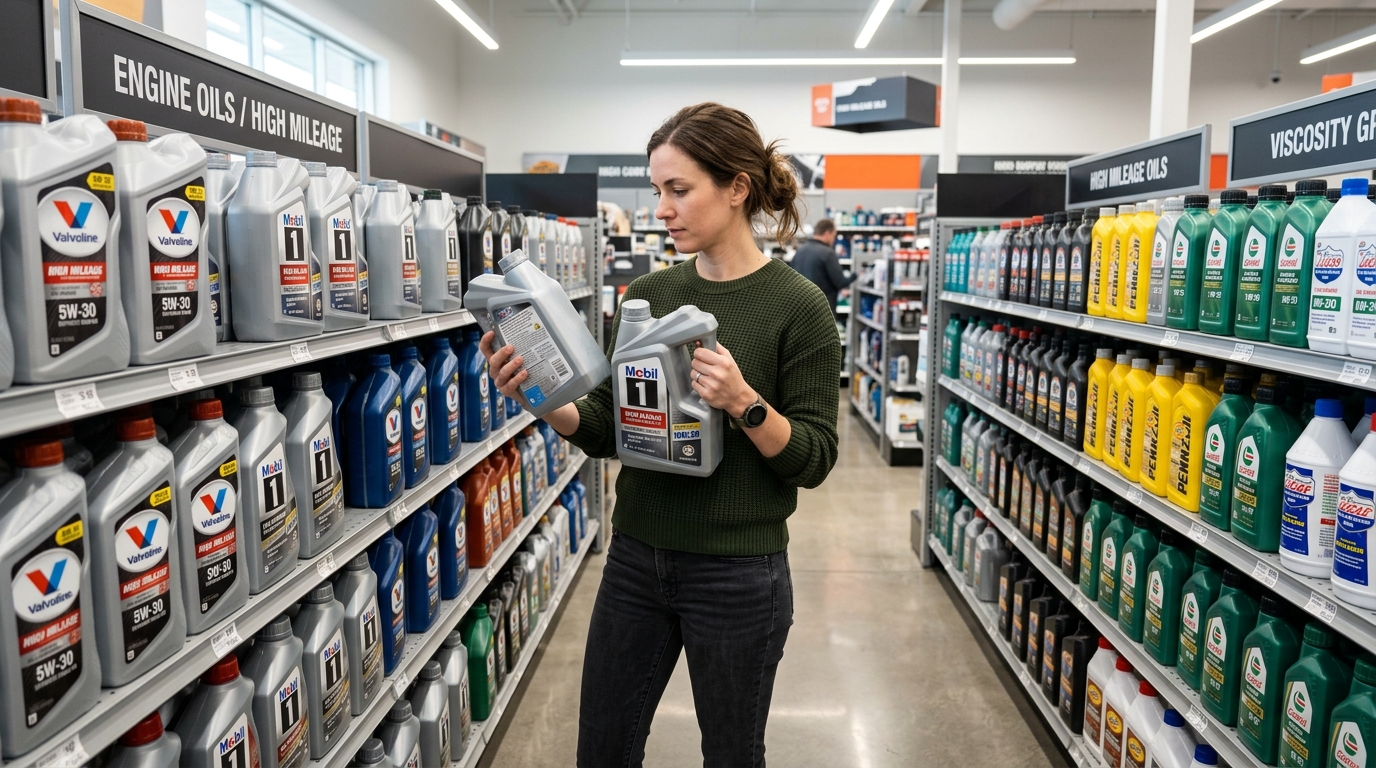
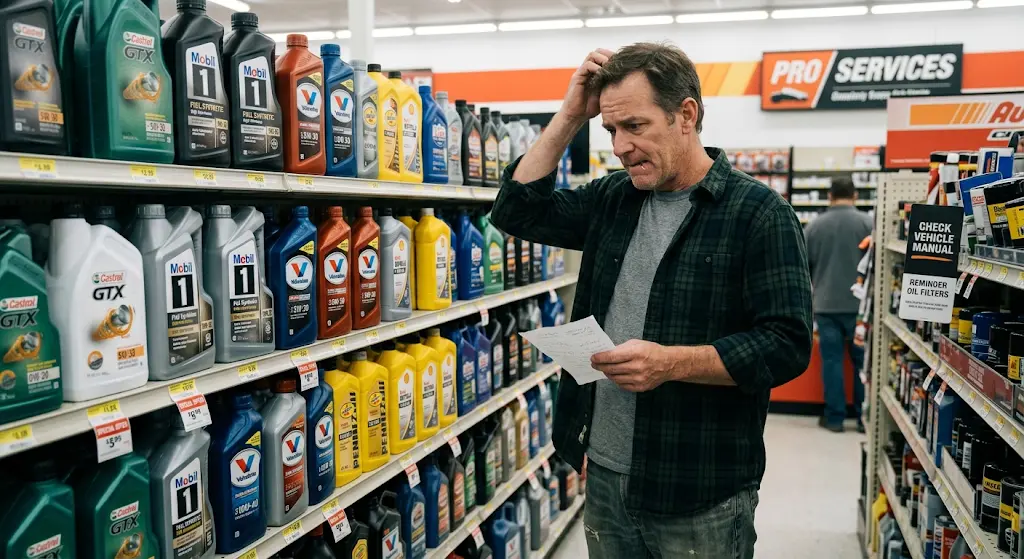
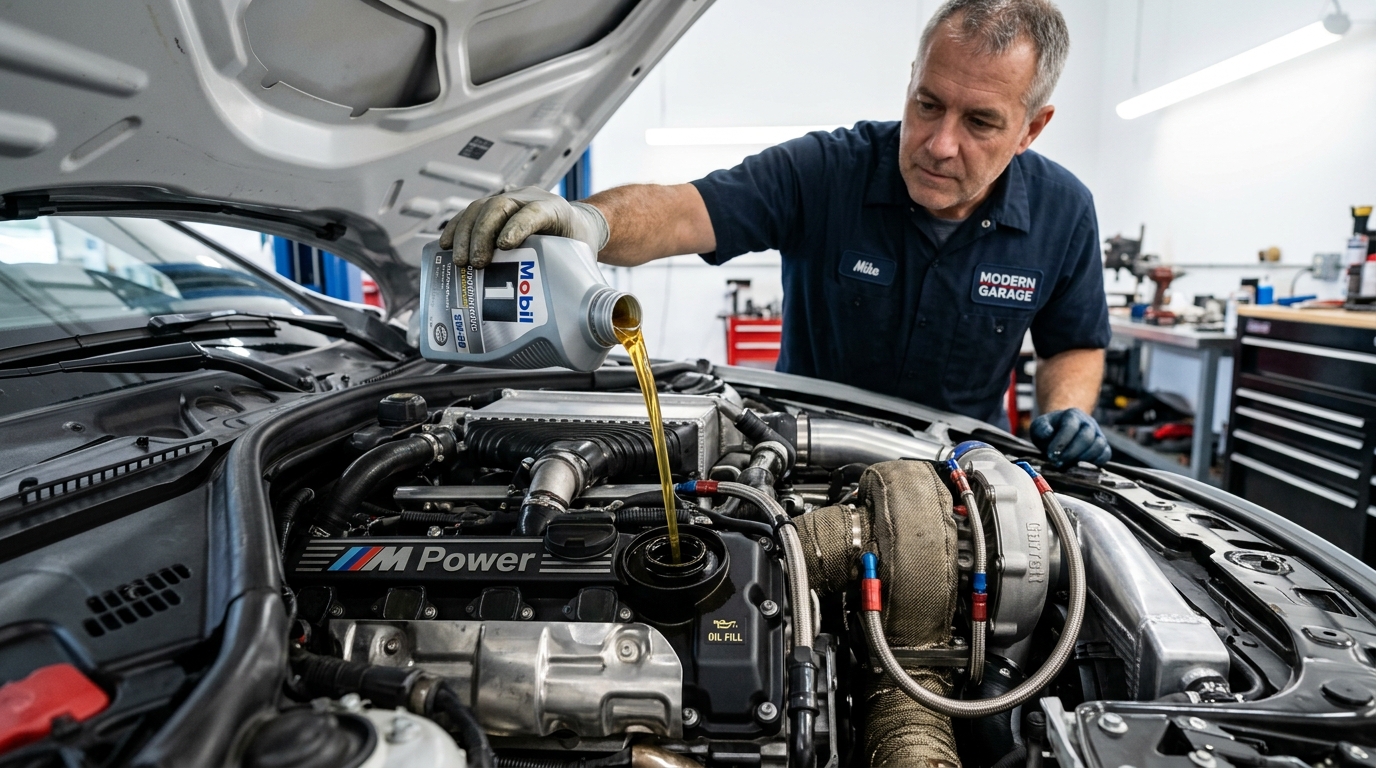
Securing a massive discount on bulk engine oil feels like a major procurement victory for your bottom line. In the highly competitive B2B automotive, workshop, and transport supply chain, purchasing engine oil in bulk—whether in 208-liter steel drums, 1,000-liter IBC totes, or full container loads—is standard practice.
The economies of scale are undeniable. A lower per-liter unit cost translates directly into higher gross profit margins or a competitive wholesale edge. However, experienced procurement managers know that the initial unit FOB quote is rarely the final landed cost.
Without evaluating the full transaction lifecycle, an enticing deal can quickly turn into a logistical headache, damaged customer relationships, and eroded profit margins. This guide unpacks the 5 major hidden traps when buying wholesale engine oil in bulk and provides actionable solutions to protect your investments.
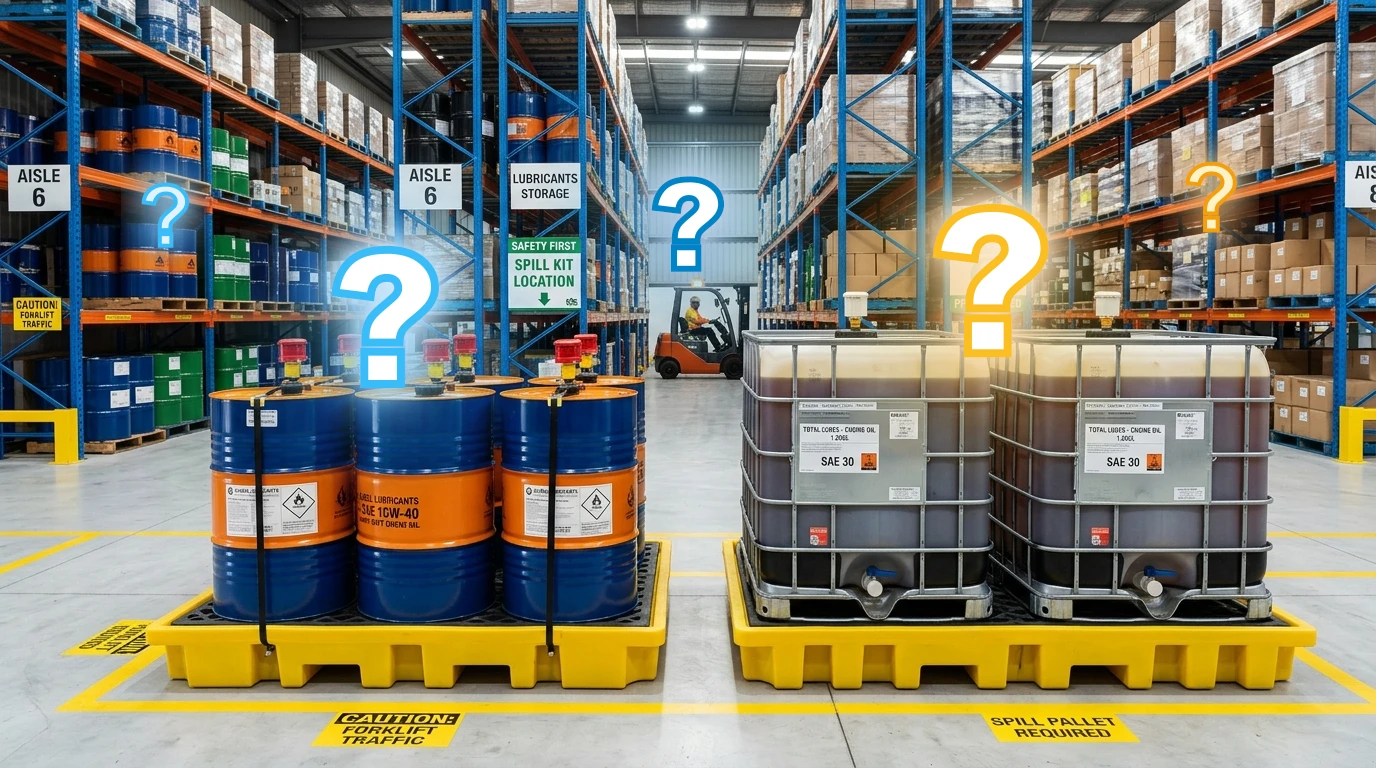
Table of Contents
1. The Illusion of Cheap Shipping: Hidden Freight Costs
One of the most common oversights in bulk procurement is underestimating the true landed transportation cost. Liquid cargo is extremely heavy and dense—a single 208L steel drum weighs approximately 190 kg, while a 1,000L IBC tote exceeds 900 kg.
LTL vs. FTL Miscalculations
Ordering partial shipments via Less-Than-Truckload (LTL) often incurs weight density surcharges. If your order exceeds weight thresholds, carriers force a Full-Truckload (FTL) rate, doubling freight costs.
Accessorial Surcharges
Delivery locations without dedicated loading docks trigger liftgate fees, residential access surcharges, and costly driver detention fees during slow unloading.
2. The Shelf-Life Snare on "Discounted" Batches
A jobber offers a lucrative 35% discount on bulk synthetic motor oil. While appealing, heavily discounted oil is often a classic shelf-life trap.
While base oils are chemically durable, complex performance additive packages (viscosity index improvers, dispersants, ZDDP anti-wear agents) slowly degrade over time. After 3 to 5 years of static storage, additives can precipitate out of liquid suspension. Dispensing aged oil into modern engines risks severe valvetrain wear. Review our shelf life and storage guide.
3. Fake or Misleading OEM Approval Claims
In modern automotive and commercial fleet maintenance, vehicle manufacturer approvals are critical. Approvals such as VW 504.00/507.00, MB-Approval 229.51, or BMW Longlife-04 ensure engine warranty validity.
- "Meets Requirements" (Unverified Claim): Indicates the blender believes their formula works, but has not submitted it for official manufacturer testing.
- "Officially Approved" (Certified): Indicates the oil has passed expensive laboratory test sequences and holds formal approval letters from car manufacturers. Always audit your supplier using our supplier vetting guide.
4. Currency Exchange Risks in International Trade
When sourcing bulk lubricants from European refineries or international blenders, contracts are frequently priced in Euros or USD under terms like FOB or CIF shipping terms.
If exchange rates shift significantly between contract signature and invoice payment (often 30 to 90 days), exchange rate fluctuations can wipe out a 10% profit margin. Professional importers lock in exchange rates using forward currency contracts.
5. Storage, Handling & Container Disposal Logistics
Purchasing bulk oil transfers facility handling and environmental compliance responsibilities directly to your warehouse:
- Dispensing Equipment: Moving 1,000L IBC totes or drums requires heavy-duty forklifts, color-coded pneumatic pumps, and metered flow guns.
- Environmental Containment: Facilities must feature secondary spill pallets (110% bunding capacity) to comply with environmental regulations. Learn how to comply in our warehouse storage guide.
- Container Return Deposits: Many suppliers charge container deposits on IBC totes that are forfeited if containers return damaged.
Frequently Asked Questions
What is the biggest hidden cost when buying engine oil in bulk?
The largest hidden cost is miscalculated freight and accessorial charges, such as unexpected LTL-to-FTL transitions, liftgate surcharges, detention fees, and fuel adjustment surcharges.
Why are heavily discounted engine oil batches risky for B2B buyers?
Deeply discounted bulk oil batches often consist of aging stock near the end of its 3-to-5 year shelf life, where chemical additives (detergents, ZDDP, dispersants) may have fallen out of suspension.
What is the difference between 'Meets OEM Requirements' and 'Officially Approved'?
'Meets Requirements' is an unverified blender claim, whereas 'Officially Approved' means the oil has passed costly OEM laboratory testing and holds formal certification letters from manufacturers like VW, BMW, or Mercedes-Benz.
How does currency exchange volatility affect bulk international lubricant orders?
Fluctuations in foreign exchange rates between order placement and payment (30 to 90 day terms) can erode profit margins by 5% to 15% unless hedged with forward contracts.
What infrastructure is required to store bulk IBC totes and steel drums?
Facilities require heavy-duty forklifts, dedicated metered dispensing pumps, secondary spill containment pallets (110% bunding), and container return/disposal logistics.
Final Takeaway
Successful bulk engine oil procurement requires looking beyond the initial unit quote.
By auditing landed freight costs, batch manufacturing dates, official OEM approval certificates, and warehouse bunding, B2B buyers protect profit margins and deliver reliable lubricant quality.
Transparent Bulk Engine Oil Wholesale Procurement
REIFTEIL offers 100% transparent B2B pricing on German-blended motor oils with zero hidden fees, fresh production batch COAs, and official OEM approval documentation.
REIFTEIL Wholesale Advantages: