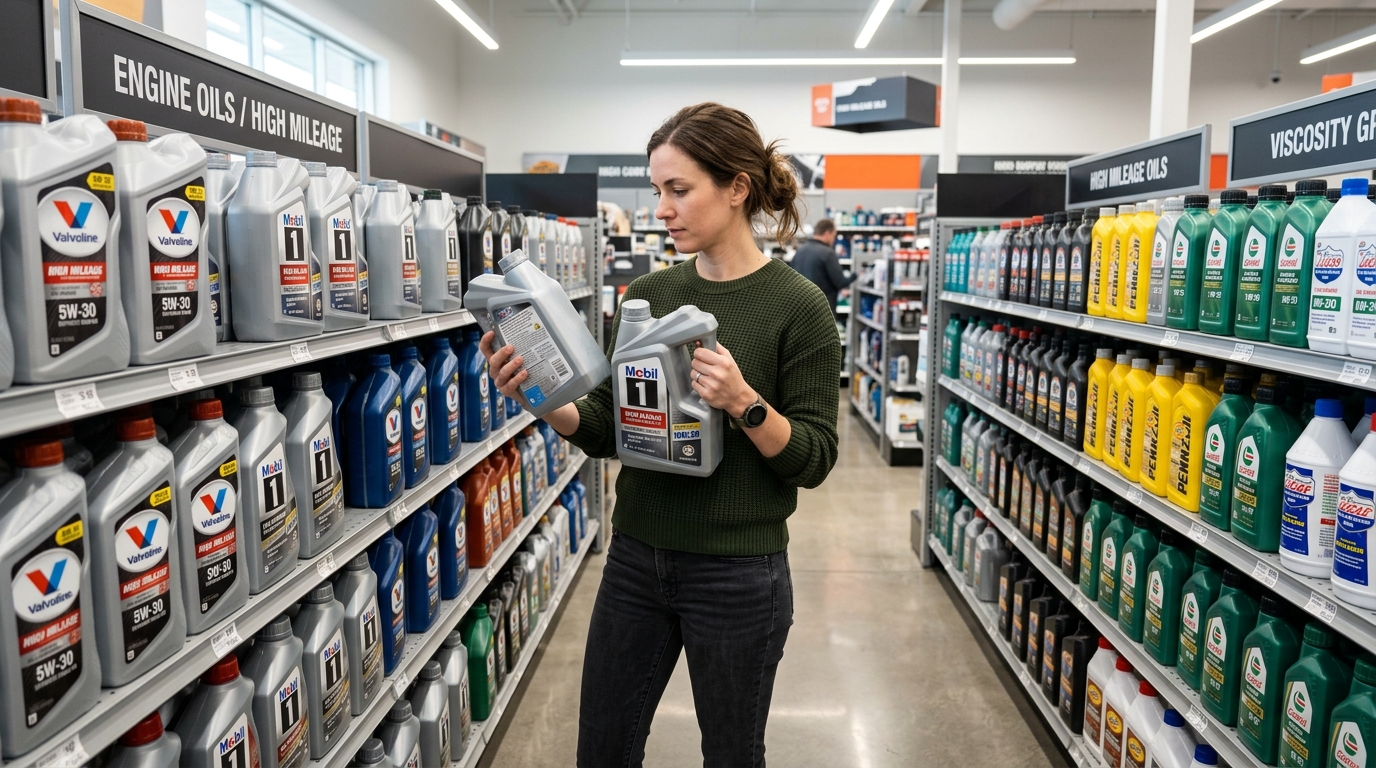
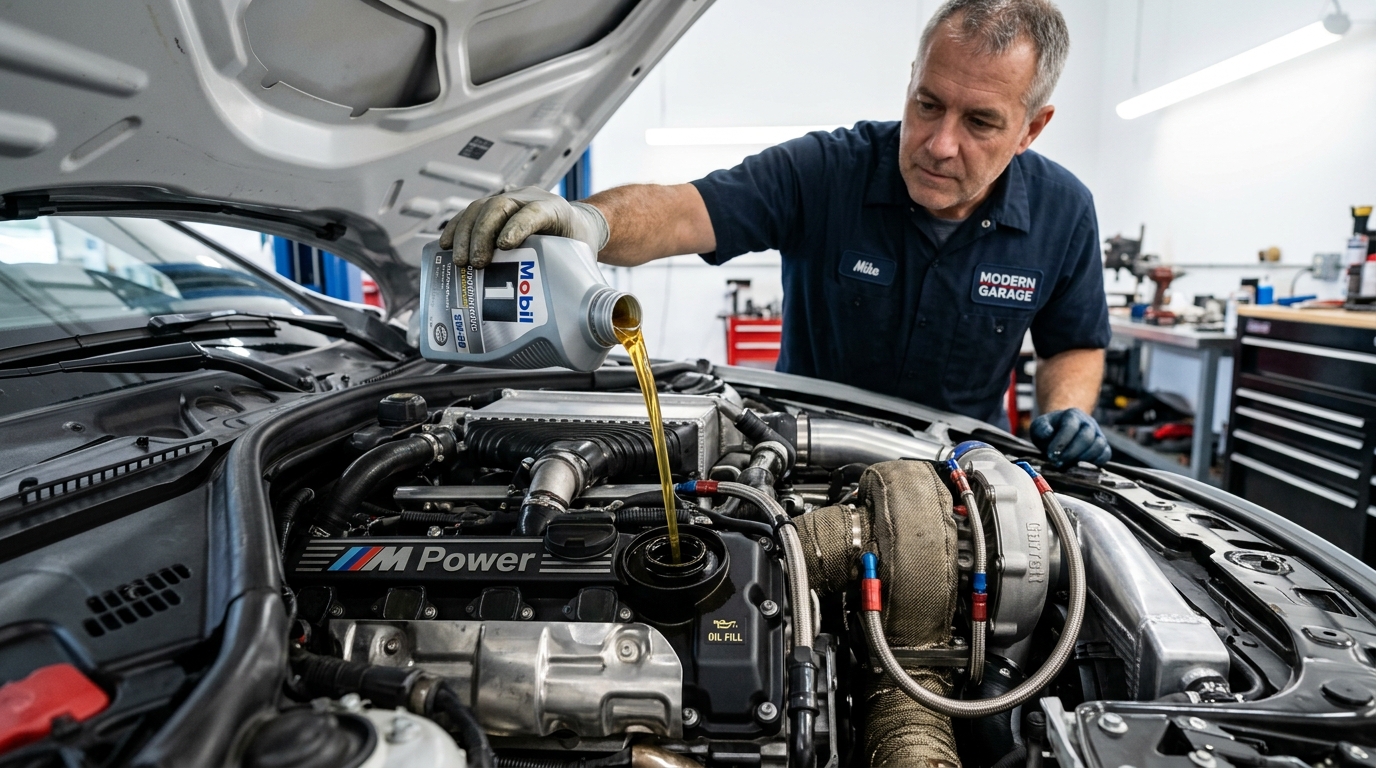
Vans and light commercial vehicles don't operate like passenger cars, nor do they run like heavy-duty long-haul trucks. They exist in a unique, demanding middle ground.
Whether navigating congested urban streets for last-mile delivery or hauling heavy tools and equipment to construction sites, the engines in LCVs are subjected to severe stresses that require specialized lubrication strategies.
For fleet managers, business owners, and tradespeople, vehicle downtime is not just an inconvenience—it represents lost revenue, unhappy customers, and disrupted schedules.
The foundation of proactive maintenance for any van is the engine oil. But with ever-tightening emissions regulations, the introduction of complex exhaust aftertreatment systems, and the relentless push for fuel efficiency, choosing the "best" engine oil is no longer as simple as picking a generic 5W-30 off the shelf.
In this comprehensive guide, we will explore the unique operating conditions of LCVs, decode the critical ACEA specifications, discuss the importance of OEM approvals, and outline actionable strategies for maximizing the lifespan of your commercial van engines through superior lubrication.

Quick Summary: Choosing the Right Van Engine Oil
The best engine oil for a van is not determined by viscosity or ACEA category alone. The correct oil must meet the vehicle manufacturer's exact OEM specification, required ACEA/API performance level and viscosity.
For many modern European diesel vans equipped with DPF/SCR systems, low- or mid-SAPS ACEA C-category oils are commonly required. However, requirements vary by engine, model year and manufacturer.
Selection formula:
OEM approval/specification → ACEA/API requirement → viscosity → oil formulation
Duty Cycle
Stop-Start
DPF Protection
Low/Mid SAPS
ACEA Spec
C2 / C3 / C4
Viscosity
0W-30 / 5W-30
Compliance
OEM Approvals
Strategy
Lab Analysis
Adopting proactive lubricant management and optimizing oil drain intervals prevents expensive DPF blockages, turbo failures, and unplanned downtime.
Table of Contents
- 1 1. The Unique Demands of Light Commercial Vehicles (LCVs)
- 2 2. Understanding ACEA Specifications for Vans
- 3 3. How to Choose Engine Oil for a Specific Van
- 4 4. OEM Approvals: Why They Matter More Than Ever
- 5 5. Top Recommendations for Van Engine Oils
- 6 6. Maintenance Strategies for Fleet Operators
- 7 7. Conclusion & Key Takeaways
1. The Unique Demands of Light Commercial Vehicles (LCVs)
To understand why a van needs specific oil, we must first look at how it is driven. The typical duty cycle of a commercial van is vastly different from that of a personal commuter car. These demanding conditions rapidly degrade engine oil, making a high-quality, robust formulation absolutely essential.
Urban Stop-Start
High risk of oil dilution, unburned fuel, and sludge accumulation.
Max Payload & Towing
High mechanical shearing and thermal stress demanding shear-stable oil.
Extended Idling
Soot loading requiring superior dispersant chemistry to protect turbos.

Stop-Start Driving Conditions
Urban delivery vans (like the Ford Transit Custom, Mercedes-Benz Sprinter, or Volkswagen Transporter) often endure hundreds of stop-start cycles in a single day. This type of driving prevents the engine from consistently maintaining its optimal operating temperature.
As a result, unburned fuel and moisture can accumulate in the crankcase, leading to oil dilution and the formation of harmful sludge. The best engine oils for these applications feature enhanced dispersant and detergent packages designed to keep sludge in suspension and protect critical engine components even when the oil is contaminated.
Heavy Payloads and Towing
Unlike a passenger car that usually carries a single driver and minimal cargo, LCVs are frequently loaded to their maximum Gross Vehicle Weight (GVW). Carrying heavy payloads or towing trailers places immense strain on the engine. This translates to higher combustion pressures, increased localized heat, and extreme shearing forces within the engine block.
A high-quality oil for vans must possess excellent shear stability, ensuring that the oil film doesn't break down under intense mechanical stress, thereby preventing metal-to-metal contact in the bearings and valvetrain.
Extended Idling
Whether waiting in traffic, running climate control while parked, or powering auxiliary equipment on a job site, LCVs spend a disproportionate amount of time idling. Idling is surprisingly hard on an engine. It results in poor fuel combustion, increased soot production, and lower oil pressure.
Excessive soot can thicken the oil, reducing its ability to flow to critical areas like the turbocharger bearings. Oils formulated for commercial use must have robust soot-handling capabilities to prevent viscosity increase and abrasive wear.
2. Understanding ACEA Specifications for Vans
When selecting oil for a European or global LCV, the ACEA (European Automobile Manufacturers' Association) specifications are your primary guide. Most modern vans are equipped with diesel engines featuring Diesel Particulate Filters (DPFs) and Selective Catalytic Reduction (SCR) systems to meet Euro 6 emissions standards.
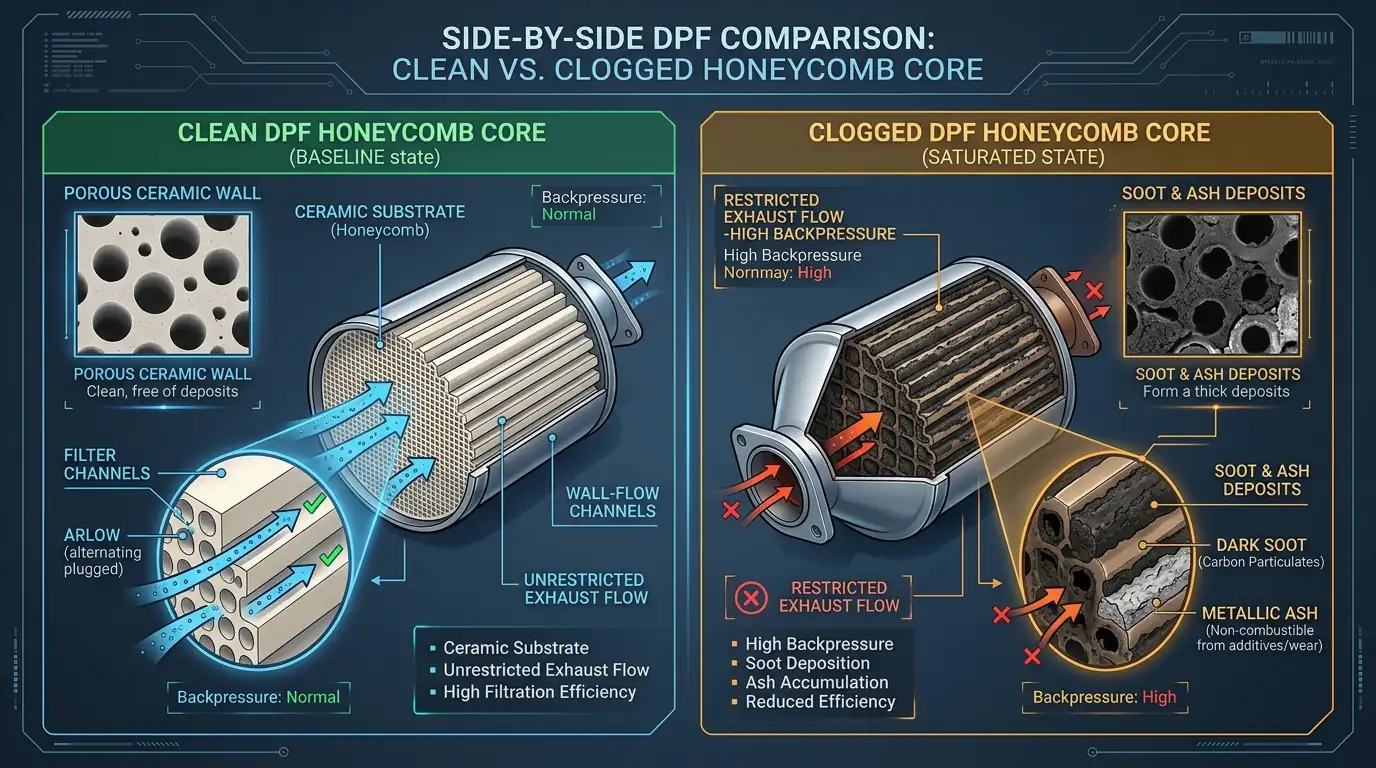
Modern diesel vans equipped with diesel particulate filters (DPFs) and other exhaust aftertreatment systems often require oils with controlled sulphated ash, phosphorus and sulphur (SAPS) levels. This is why many modern LCVs specify an ACEA C-category oil. For a comprehensive overview of ratings, read our API vs. ACEA specification guide.
The ACEA C Categories (Mid/Low SAPS)
However, ACEA category alone is not enough to select the correct oil. The vehicle manufacturer's exact oil approval or specification should always take priority. Some engines may require a particular ACEA category, while others may specify an OEM approval that incorporates additional performance requirements.
Fuel Economy Mid-SAPS
Low-SAPS oil designed for engines requiring lower HTHS viscosity and specific fuel-economy performance. Used in selected petrol and diesel applications where the manufacturer specifies ACEA C2.
High Wear Protection Mid-SAPS
Low-SAPS oil with higher HTHS viscosity than C2. Common in applications requiring stronger high-temperature oil-film performance, but the exact OEM approval must still be verified.
Ultra-Low SAPS
Very-low-SAPS formulation intended for engines and aftertreatment systems requiring this specific performance level. Always check the manufacturer's required approval.
Next-Gen Ultra-Low Viscosity
Designed for newer engines requiring low HTHS viscosity and enhanced fuel-economy performance. C5 and C6 are not interchangeable with C2/C3 simply because the viscosity is similar.
3. How to Choose Engine Oil for a Specific Van
Different commercial van models and engines have specific lubrication requirements. The table below outlines common manufacturer specification types and viscosity grades across popular European delivery vans:
| Van | Oil Specification | Common Viscosity Examples |
|---|---|---|
| Mercedes-Benz Sprinter | Engine/year-specific MB approval | 0W-30 / 5W-30 |
| Volkswagen Transporter | Engine/year-specific VW specification | 0W-30 / 5W-30 |
| Volkswagen Crafter | Engine/year-specific VW specification | 0W-30 / 5W-30 |
| Ford Transit | Engine/year-specific Ford WSS specification | 0W-30 / 5W-30 |
| Ford Transit Custom | Engine/year-specific Ford WSS specification | 0W-30 / 5W-30 |
| Renault Trafic | Engine/year-specific Renault specification | 5W-30 |
| Renault Master | Engine/year-specific Renault specification | 5W-30 |
| Fiat Ducato | Engine/year-specific Fiat/Stellantis specification | 0W-30 / 5W-30 |
| Peugeot Boxer | Engine/year-specific Stellantis/Peugeot specification | 0W-30 / 5W-30 |
| Citroën Jumper | Engine/year-specific Stellantis/Citroën specification | 0W-30 / 5W-30 |
Important Verification Note
These are general examples, not universal recommendations. Oil requirements can change by engine, model year, emissions system and service schedule. Always verify the exact specification in the vehicle handbook or manufacturer's technical documentation before purchasing oil.
4. OEM Approvals: Why They Matter More Than Ever
While ACEA categories provide a solid baseline, modern engines are so specialized that relying solely on ACEA is no longer sufficient. Vehicle manufacturers (OEMs) conduct extensive, expensive engine testing to develop their own specific oil approvals.
Using an oil that meets the exact OEM specification required for your vehicle is one of the most important safeguards for engine and aftertreatment-system compatibility. Always follow the manufacturer's service and oil requirements, particularly during warranty coverage.
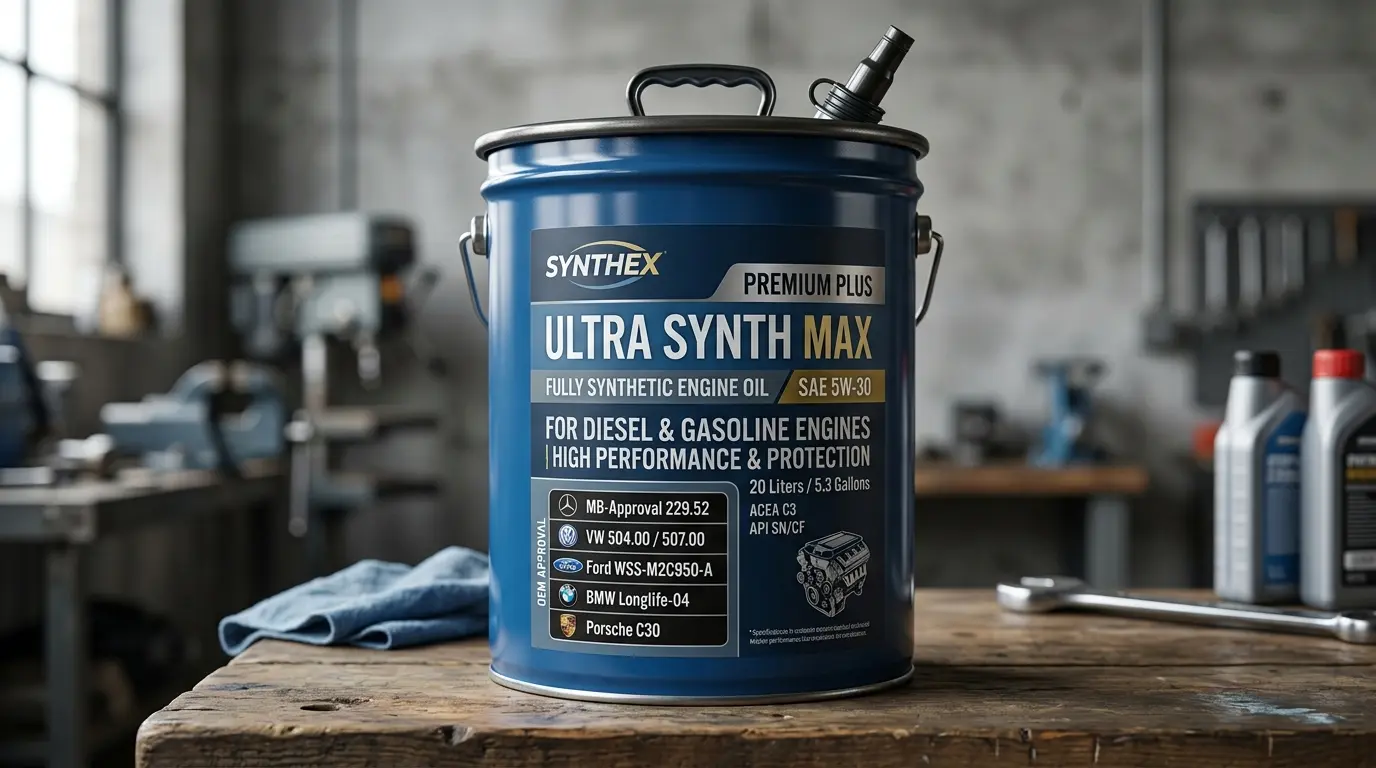
For example, a Volkswagen Crafter might require an oil meeting VW 504 00 / 507 00. A Mercedes-Benz Sprinter will likely need MB 229.51 or MB 229.52. A Ford Transit usually demands Ford WSS-M2C913-D (for older non-DPF models) or WSS-M2C950-A (for modern EcoBlue diesels). A generic "C3" oil might not pass the specific timing chain wear or fuel economy tests demanded by the OEM specification, even if the basic chemistry looks similar on paper.
Pro Tip for Fleet Managers
Always consult the vehicle handbook or a reliable B2B lubricant advisor to match the exact OEM specification to the vehicle's engine code. Do not base purchasing decisions purely on viscosity (e.g., assuming all 5W-30 oils are interchangeable).
5. Top Recommendations for Van Engine Oils
The "best" oil depends entirely on your specific fleet makeup, but there are broad trends to be aware of when purchasing for light commercial applications.
5W-30 vs. 5W-40: Which is Better?
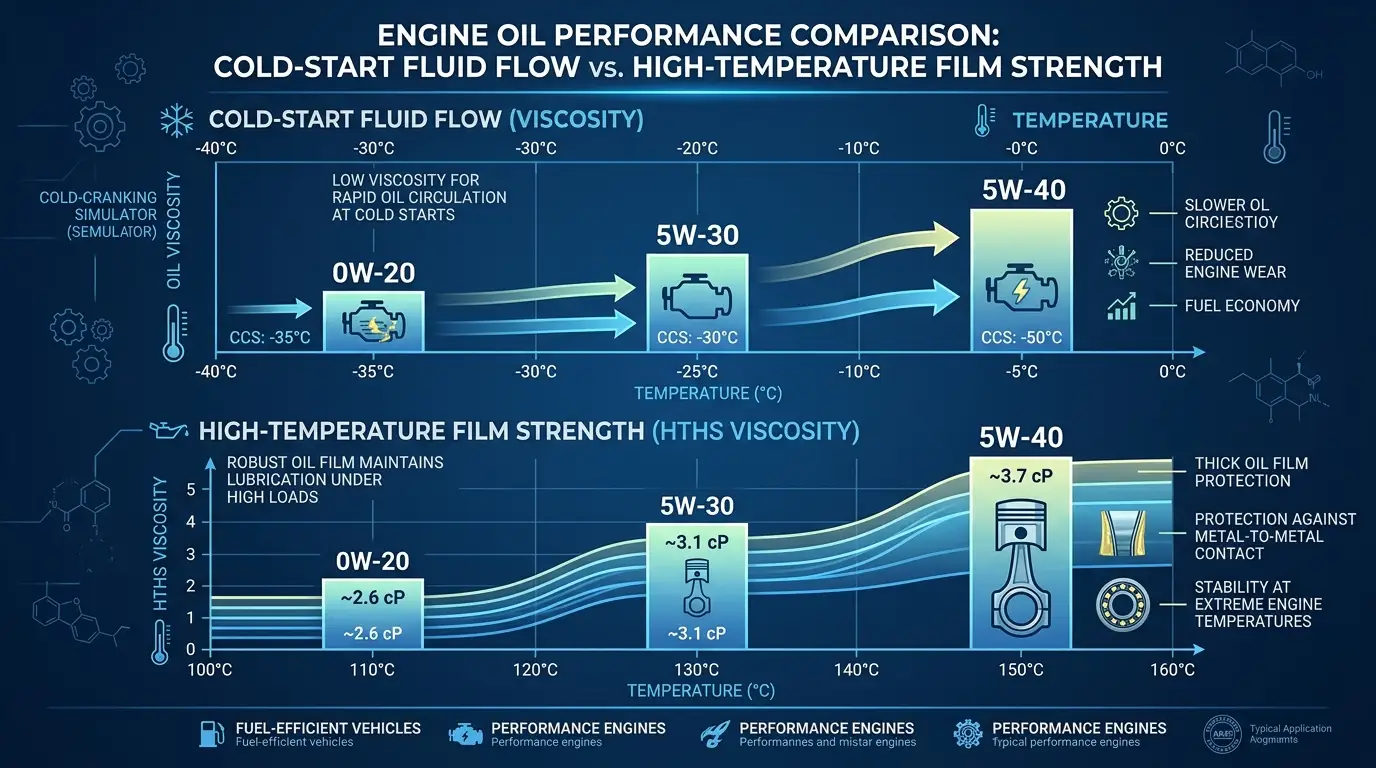
For years, 5W-30 and 5W-40 have been the standard viscosities for LCVs. 5W-40 has a higher operating-temperature viscosity than 5W-30, but it should only be used where the vehicle manufacturer permits or specifies it. A thicker oil is not automatically better for a heavily loaded van.
For a full comparison, explore our guide on 5W-30 vs. 5W-40 engine oil differences. However, you should always follow the OEM's primary recommendation. Using a thicker oil than recommended can increase internal drag, reduce fuel economy, and cause issues with variable valve timing systems.
The Rise of 0W-20 and 0W-30 in Modern LCVs
As emissions targets become more aggressive, OEMs are moving towards thinner oils to reduce parasitic friction in the engine. Many new vans now require 0W-30 or even 0W-20 oils.
These oils are formulated with highly advanced synthetic base stocks to ensure they flow instantly upon cold startup while still providing adequate protection at high operating temperatures. Compare viscosity behaviors in our 0W-20 vs. 5W-30 comparison and read about synthetic vs. semi-synthetic oil differences.
6. Maintenance Strategies for Fleet Operators
Selecting the right oil is only half the battle; managing it effectively is crucial for maximizing the return on investment for your commercial vehicles. To streamline purchasing, read our guide on how to choose engine oil for commercial fleets and evaluate bulk packaging options in drums vs. IBC totes for fleet engine oil.
Oil Drain Intervals (ODI)
Many modern vans advertise impressively long "flexible" or "extended" oil drain intervals, sometimes up to 30,000 miles or 2 years. However, these figures are based on ideal driving conditions (long highway journeys with light loads).
Most LCVs operate under severe conditions. Stop-start driving, heavy payloads, and idling accelerate oil degradation. For maximum reliability, many proactive fleet managers choose to change the oil every 10,000 to 15,000 miles.
Learn how to reduce fleet oil procurement costs while maintaining strict drain schedules, calculate total volumes with how much engine oil a fleet actually needs, and implement FIFO inventory control.
Used Oil Analysis (UOA)
For larger fleets, implementing a Used Oil Analysis program is highly recommended. By sending a sample of the used oil to a laboratory at each service, you can scientifically monitor the condition of both the oil and the engine.

UOA can reveal whether the oil is being diluted with fuel, whether soot levels are elevated, and whether wear metals such as iron, copper or aluminium indicate abnormal engine wear. This allows you to optimize drain intervals specifically for your operational profile and catch catastrophic failures before they happen.

Van Lubrication Execution Checklist
Verify these eight critical checkpoints before selecting engine oil for your light commercial fleet:
Frequently Asked Questions
What is the best engine oil for a diesel delivery van?
The best engine oil is the one that meets the vehicle manufacturer's exact specification for that engine. For many modern diesel vans equipped with DPFs, this will include a low- or mid-SAPS formulation, but the required ACEA category, OEM approval and viscosity vary by vehicle.
Can I use passenger-car engine oil in my commercial van?
Sometimes. The important factor is not whether the oil is marketed for passenger cars or commercial vehicles, but whether it meets the exact specification required by the van's engine. Always check the OEM approval, ACEA/API requirements and viscosity before using the oil.
How often should engine oil be changed in a commercial delivery van?
Follow the manufacturer's specified service interval and severe-service recommendations. Frequent short journeys, stop-start driving, prolonged idling, heavy loads and towing can place additional stress on the oil. Fleet operators with demanding duty cycles can use used-oil analysis to help evaluate oil condition and maintenance intervals.
What happens if I use the wrong oil in a van with a DPF?
Using an oil that does not meet the vehicle's required SAPS limits can increase ash accumulation in the DPF over time. This can contribute to reduced filter capacity, regeneration problems and increased exhaust-system maintenance costs. Always use the oil specification required by the vehicle manufacturer.
Need Engine Oil for Your Van or LCV Fleet?
REIFTEIL supplies engine oils and lubricants for workshops, fleet operators, distributors and international B2B buyers. We can help you identify suitable products based on your vehicle specifications, required OEM approvals, viscosity requirements and preferred packaging.
Final Verdict
There is no single engine oil that is best for every van. The right choice starts with the manufacturer's exact oil specification, followed by the required ACEA/API performance level and viscosity.
By prioritizing low-SAPS formulations to protect DPF systems, optimizing drain intervals, and conducting used oil analysis, you can keep your commercial fleet operational, efficient, and profitable for years to come.