For commercial transport operators, logistics fleets, and heavy equipment managers, engine oil represents a major recurring operational expense. As base oil market volatility and global supply chain pressures impact lubricant pricing, procurement managers face constant demand to optimize fluid spend.
However, cutting procurement costs does not mean buying cheap, off-spec oils or compromising engine protection. Cheaper lubricants lacking proper OEM approvals increase friction, accelerate engine wear, and trigger premature component overhauls that quickly destroy any upfront savings.
This comprehensive guide explores data-driven B2B strategies to lower fleet lubricant procurement expenses, including supplier consolidation, bulk packaging optimization (drums vs. IBC totes), lifecycle cost-per-mile analysis, demand forecasting, and Used Oil Analysis (UOA) extended drain programs.
Quick Answer: How to Cut Fleet Engine Oil Costs
The most effective strategy to lower fleet lubricant expenses combines supplier consolidation for bulk pricing leverage, transitioning to 1,000L IBC totes or bulk tanks, and using Used Oil Analysis (UOA) to safely extend drain intervals.
5 Core Cost Reduction Pillars:
- Consolidate lubricant spend with 1 primary supplier
- Upgrade from drums to 1,000L IBC totes (saves 10-15%)
- Calculate demand forecasting to prevent emergency buys
- Evaluate Cost-Per-Mile over cost-per-liter
- Implement UOA lab sampling to safely extend drain intervals
- Standardize on 1 versatile OEM-approved oil grade
Extending oil drain intervals from 25,000 miles to 40,000 miles via lab-verified synthetic performance cuts fluid volume consumption by 37% while drastically reducing workshop maintenance labor.
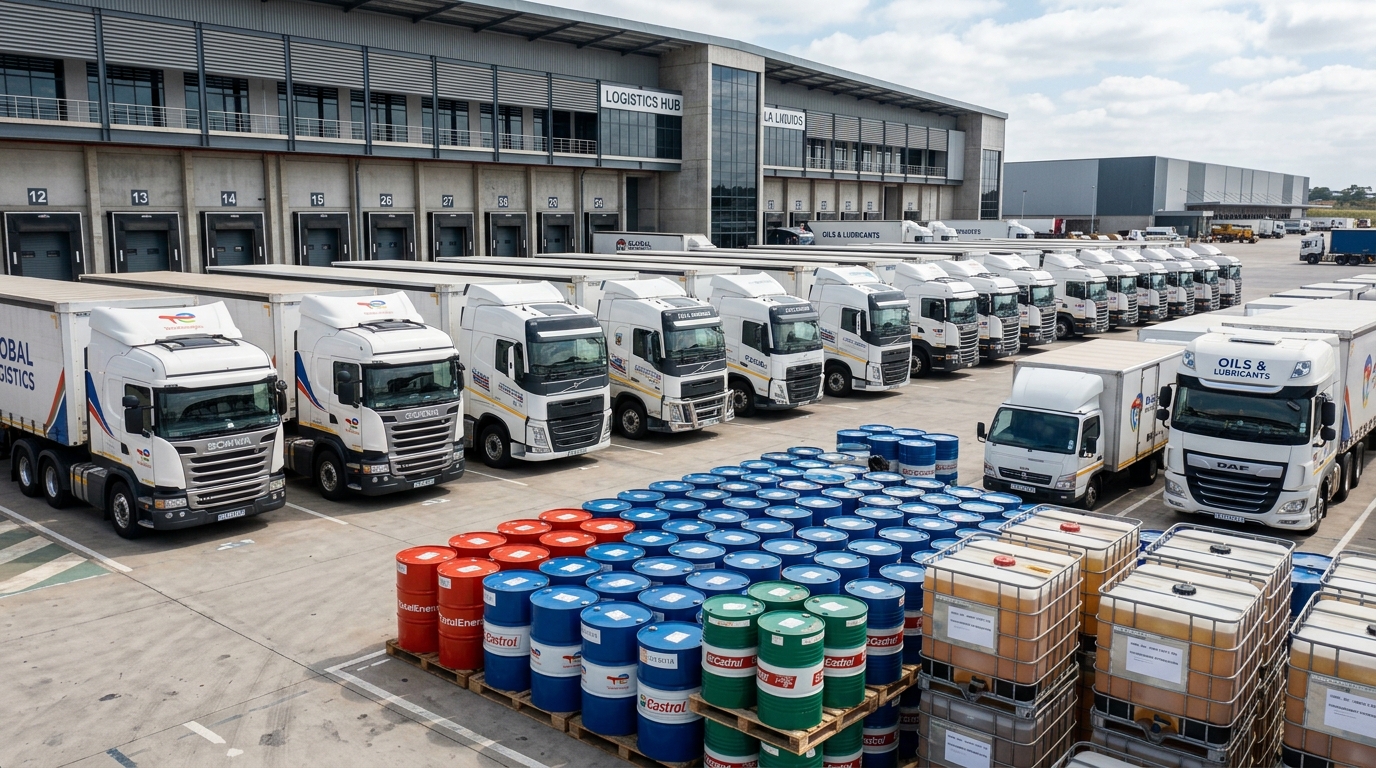
Table of Contents
1. Embrace Supplier Consolidation
One of the fastest ways to reduce procurement costs is through supplier consolidation. Many fleets purchase lubricants through a fragmented network of local jobbers, distributors, and retail auto parts stores. This decentralized approach dilutes purchasing power and multiplies administrative overhead.
By aggregating your entire fluid spend with a single, strategic primary supplier or direct blender partner, your fleet unlocks significant advantages:
Volume Tier Pricing
Consolidating total fleet gallonage enables high-volume tier pricing discounts unavailable to fragmented purchasers.
Simplified Overhead
Processing purchase orders with 1 primary vendor cuts back-office accounting hours and reduces invoice reconciliation errors.
Vendor Subsidies
Major lubricant blenders frequently provide complimentary lab oil sampling kits and workshop dispensing equipment to retain consolidated accounts.
2. Direct Wholesale Purchasing (Drums vs. IBC Totes)
Packaging choices heavily influence unit pricing. Buying engine oil in 1L or 5L retail jugs incurs heavy packaging and handling markups.
Transitioning your workshop to 208-liter steel drums or 1,000-liter IBC totes delivers immediate savings. Comparing packaging formats:
208L Steel Drums
Flexible for multi-bay workshops and lower-volume specialty oils. However, small amounts of oil (~2-3L per drum) often remain trapped inside empty drums upon disposal.
1,000L IBC Totes (Recommended)
Reduces unit fluid price by 10-15% compared to drums, features bottom-discharge valves for zero fluid waste, and minimizes warehouse footprint. Read our full comparison on Drums vs. IBC Totes.
3. Master Demand Forecasting for Bulk Orders
Poor inventory planning leads to emergency spot-purchases at retail prices or excessive stock holding that ties up working capital.
To build an accurate fleet demand forecasting model, analyze annual mileage, engine operating hours, PM service schedules, and baseline top-up rates. Integrating fleet management software (FMS) with automated reorder triggers ensures full container loads (FCL) are placed at optimal price points. Maintain a clean FIFO inventory system in your warehouse storage facility.
4. Evaluate Cost-Per-Mile vs. Cost-Per-Liter
A frequent pitfall in procurement is focusing strictly on initial purchase price per liter. While cheap conventional oil looks attractive on a purchase order, it breaks down quickly, requiring frequent oil changes and higher labor costs.
Evaluating Cost-Per-Mile proves why premium synthetic lubricants are far more economical:
The Cost-Per-Mile Calculation Formula:
Total Lubrication Cost = [(Oil Price + Filter Price + Service Labor) / Oil Drain Interval Miles] + Fuel Efficiency Impact
If a premium synthetic oil costs 30% more per liter but extends drain intervals by 60% while improving fuel economy by 1.5%, your net operating cost per mile drops significantly across millions of fleet miles.
5. UOA Extended Drain Interval Programs
The single most effective method to cut oil consumption is safely extending oil drain intervals (ODIs) using Used Oil Analysis (UOA). Draining engine oil based on arbitrary calendar dates throws away perfectly good, active fluid.
By sending oil samples to accredited laboratories every 10,000 miles, fleet managers monitor:
- Total Base Number (TBN) Retention: Confirms alkaline reserve capability to neutralize combustion acids.
- Viscosity Shear Stability: Verifies if the oil maintains its required SAE grade film strength.
- Wear Metal Spectrometry: Tracks iron, copper, and chromium levels to detect internal wear long before breakdown occur.
- Contaminant Detection: Identifies fuel dilution, soot loading, and glycol coolant leaks early.
Frequently Asked Questions
How much can a commercial fleet save by switching from 208L drums to 1,000L IBC totes?
Switching from 208L drums to 1,000L IBC totes typically reduces packaging unit costs by 10% to 15%, minimizes residual fluid left inside empty drums, and streamlines workshop handling time.
Why is Cost-Per-Mile a better metric than cost-per-liter when buying fleet oil?
Evaluating Cost-Per-Mile accounts for oil drain interval length, fuel efficiency gains, and engine protection. Premium synthetic oils with higher per-liter prices often achieve a much lower cost-per-mile by extending drain intervals by 50% or more.
How does Used Oil Analysis (UOA) safely extend oil drain intervals?
UOA measures Total Base Number (TBN) retention, soot loading, viscosity changes, and wear metals in laboratory samples, enabling fleet managers to extend drain intervals based on empirical condition rather than conservative mileage estimates.
What are the main benefits of lubricant supplier consolidation?
Consolidating spend with a primary tier-one lubricant partner unlocks volume discount tiers, reduces back-office invoice processing costs, prevents accidental oil misapplication in workshops, and secures vendor-subsidized oil sampling.
What bulk storage infrastructure is needed to buy engine oil direct from blenders?
Buying direct from blenders requires dedicated on-site bulk fluid storage tanks, metered hose reels, desiccant air breathers, and 110% capacity secondary spill containment (bunding).
Final Takeaway
Reducing fleet engine oil procurement costs is about strategic value management rather than finding the cheapest oil per liter.
By combining supplier consolidation, bulk IBC tote packaging, Cost-Per-Mile evaluations, and lab-verified UOA extended drain programs, fleet procurement managers achieve substantial long-term savings while maximizing vehicle uptime.
Optimizing Your Fleet Engine Oil Sourcing?
REIFTEIL supplies heavy-duty commercial diesel and passenger fleet engine oils (API CK-4, FA-4, API SP, ACEA E9/C3) directly from European blenders in 208L steel drums and 1,000L IBC totes.
REIFTEIL Fleet Procurement Advantages: