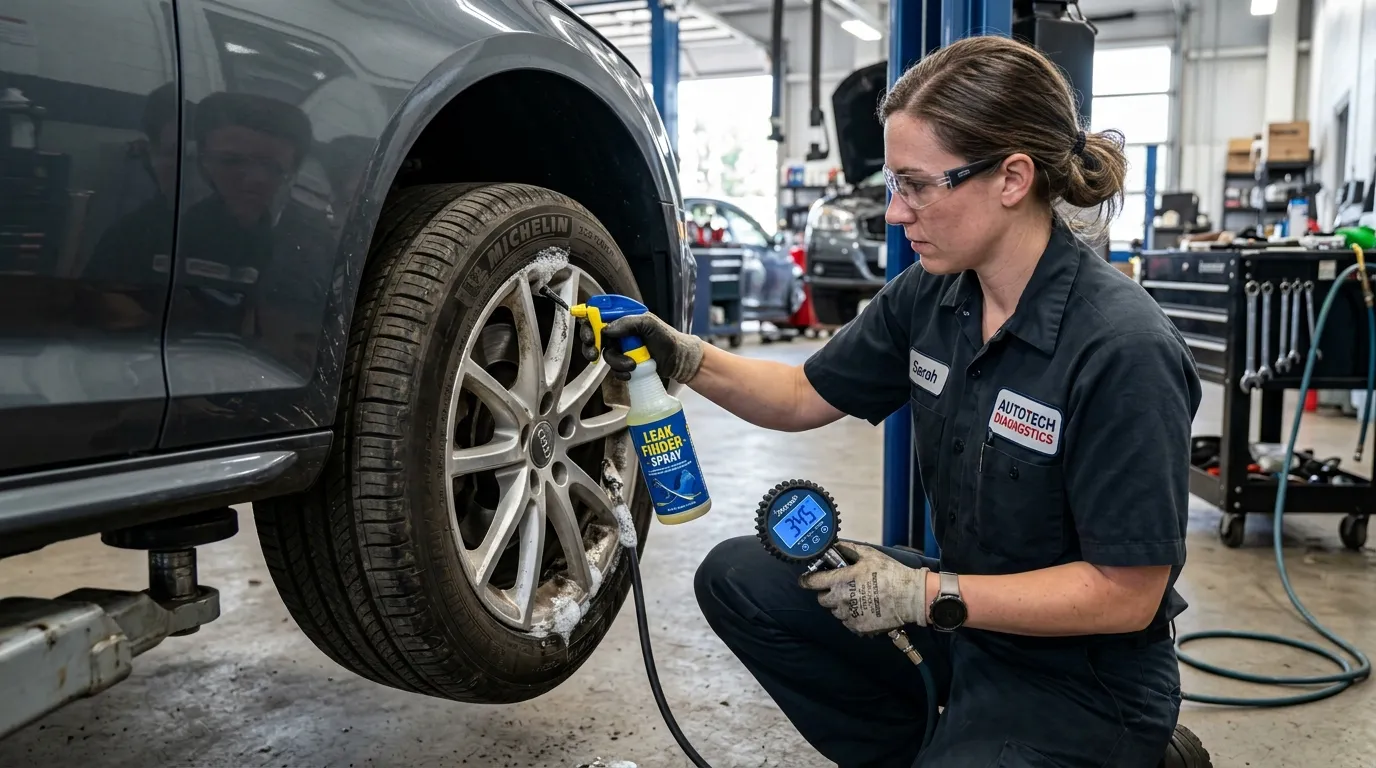
Implementing a standardized pre-shipment and receiving inspection protocol protects your capital, prevents warehouse storage damage, and preserves your dealership's commercial reputation.

Pre-Purchase QA: Verifying bead bundle concentricity, Shore A compound hardness, and regulatory sidewall markings.
The 4-Step Wholesale QA Audit
Inspect 360° bead toe and heel for wire kinks, compression waves, or torn chafer rubber.
Measure tread elasticity; readings >74 Shore A indicate aged or oxidized rubber compounds.
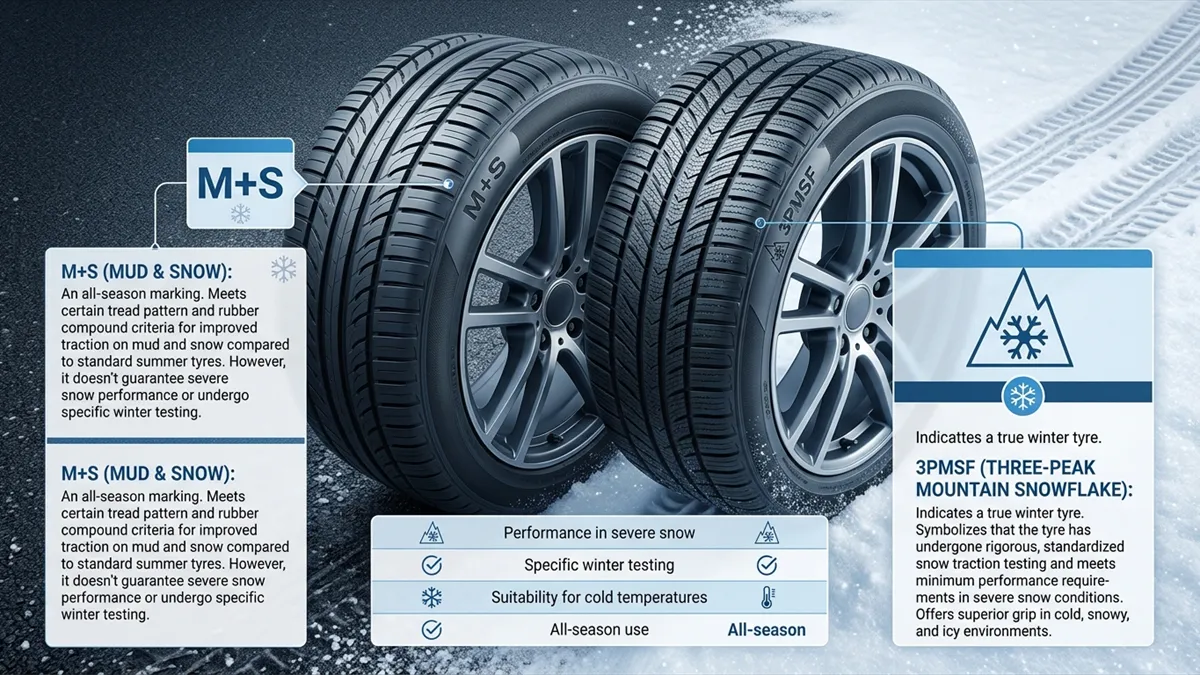
Verify circled 'E' approval (ECE R30/R54) and 4-digit DOT date codes (<18 months old).
Check for internal ply delamination, sidewall depressions, and radial force variation defects.
1. Pre-Purchase Tire Quality Inspection Matrix
Standard benchmarks, inspection methods, and rejection thresholds for B2B tire shipments:
| Component | Inspection Metric | Detection Method | Acceptable Tolerance | Failure Outcome |
|---|---|---|---|---|
| Bead Bundle | Circumferential wire roundness | Tactile feel & gauge caliper | Zero kinks / 0.0 mm deformation | Immediate Air Leak |
| Tread Compound | Shore A durometer elasticity | Type-A durometer (20°C) | 62 – 68 Shore A (PCR Summer) | Loss of Wet Grip |
| Sidewall Markings | ECE R30 / R54 E-mark & DOT | Visual mold verification | 100% complete E-mark code | Customs Confiscation |
| Casing Blisters | Innerliner ply separation | Visual & laser shearography | Zero ply air pockets | High-Speed Blowout |
| Radial Runout | Out-of-round uniformity | Dynamic balancing machine | < 1.0 mm peak-to-peak | Steering Wobble |
2. Key Physical Quality Indicators
Critical indicators that reveal the manufacturing quality and curing precision of Importing Tires in Bulk" class="internal-link font-semibold text-blue-600 hover:text-blue-800 hover:underline decoration-blue-300 decoration-2 underline-offset-2 transition-colors" data-inlink="true">wholesale tires:
Curing Air Evacuation
Clean, uniform rubber spew whiskers confirm that curing mold vents operated correctly, ensuring zero trapped air pockets inside the compound.
Factory Uniformity Dots
Red dot marks the maximum radial force variation point; yellow dot indicates the lightest point. Alignment with the wheel valve stem minimizes balance weights.
Halobutyl Seal Quality
The inner tire chamber must show smooth, seamless halobutyl rubber without dry streaks, ensuring airtight tubeless pressure retention.
Frequently Asked Questions (FAQ)
What are the 4 essential quality checks when inspecting wholesale tires?
The 4 critical checks are: 1. Bead bundle integrity (checking for kinks or exposed wire), 2. Rubber compound elasticity (using a Shore A durometer), 3. Regulatory certification markings (ECE E-mark and DOT code), and 4. Structural uniformity (casing blisters and radial runout).
What Shore A hardness range indicates a fresh, premium passenger tire compound?
Fresh summer PCR passenger tires typically measure between 62 and 68 Shore A at 20°C. Winter tires measure softer (55–60 Shore A). A reading above 74 Shore A on summer tires indicates severe compound oxidation, age hardening, or poor vulcanization.
How do you detect damaged tire beads before mounting?
Inspect the inner bead seat circumference under high-intensity light. Feel along the entire bead toe and heel for internal wire kinks, torn rubber chafers, or wavy bead lines caused by forklift tine compression during transport.
Which E-mark certifications must be present on tires imported into the European Union?
Tires sold in Europe must have the circled uppercase 'E' or lowercase 'e' followed by the approving country code (e.g. E4 for Netherlands, E1 for Germany), along with the ECE R30 (passenger) or ECE R54 (commercial) approval number and the 's-w-r' (sound, wet grip, rolling resistance) suffix.
What are sidewall vent lines (spew) and are they a sign of good quality?
Tiny rubber whiskers or vent lines (spew) on the sidewall and tread indicate that the factory curing press had proper air evacuation during vulcanization, confirming complete rubber flow into the mold cavities.
How does radial force variation (RFV) cause vehicle vibration even after wheel balancing?
RFV occurs when tire carcass stiffness varies around its circumference due to ply overlaps or uneven compound thickness. Even if static balance weights read zero, the tire acts like a variable spring, causing high-speed cabin vibration.
What percentage of a wholesale container shipment should be sampled for QA inspection?
Following ISO 2859-1 (AQL 1.5) standard sampling, inspect a minimum of 32 to 50 tires selected at random from front, middle, and rear sections of a 40ft shipping container.
How does REIFTEIL ensure 100% certified quality on all wholesale shipments?
REIFTEIL sources exclusively from ISO/TS 16949 certified manufacturing plants, conducting automated laser shearography and dynamic balance testing before palletizing, guaranteeing fresh DOT codes (<18 months) and full ECE compliance.
Final Verdict: Quality Verification Protects Wholesale Profitability
A systematic pre-purchase inspection workflow prevents claims, returns, and customer dissatisfaction:
The Golden Summary:
- Zero Bead Kink Tolerance: Damaged bead bundles never seal properly; reject immediately.
- Audit ECE Markings: Ensure full ECE R30/R54 compliance to prevent customs seizures.
- Source Pre-Inspected Stock from REIFTEIL: Guaranteed factory testing and fresh DOT codes on all pallets.
Source 100% Inspected Tires with REIFTEIL
Eliminate quality risks. REIFTEIL guarantees factory-inspected, fresh DOT tires with full ECE certification delivered directly to your workshop or distribution warehouse.