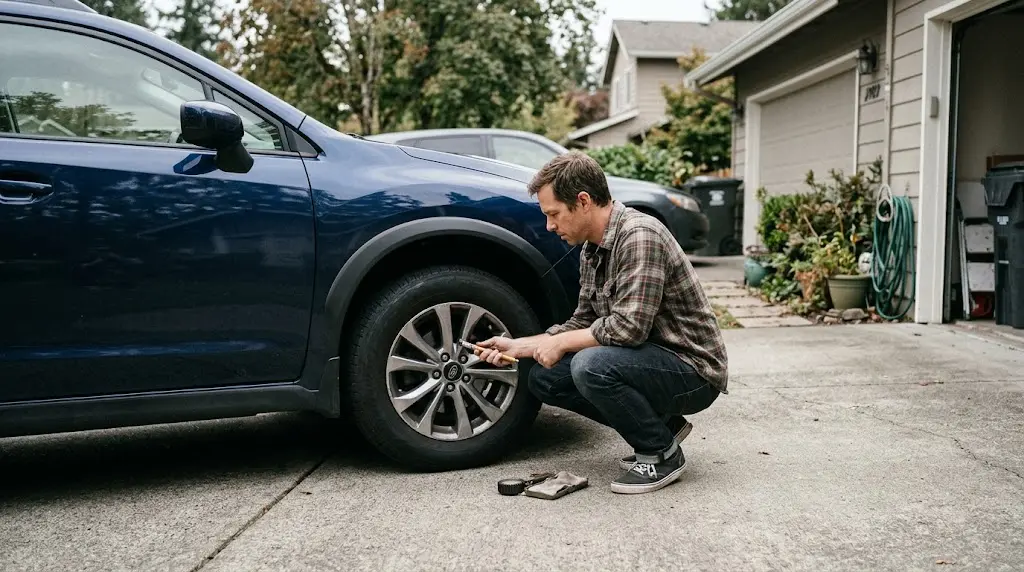
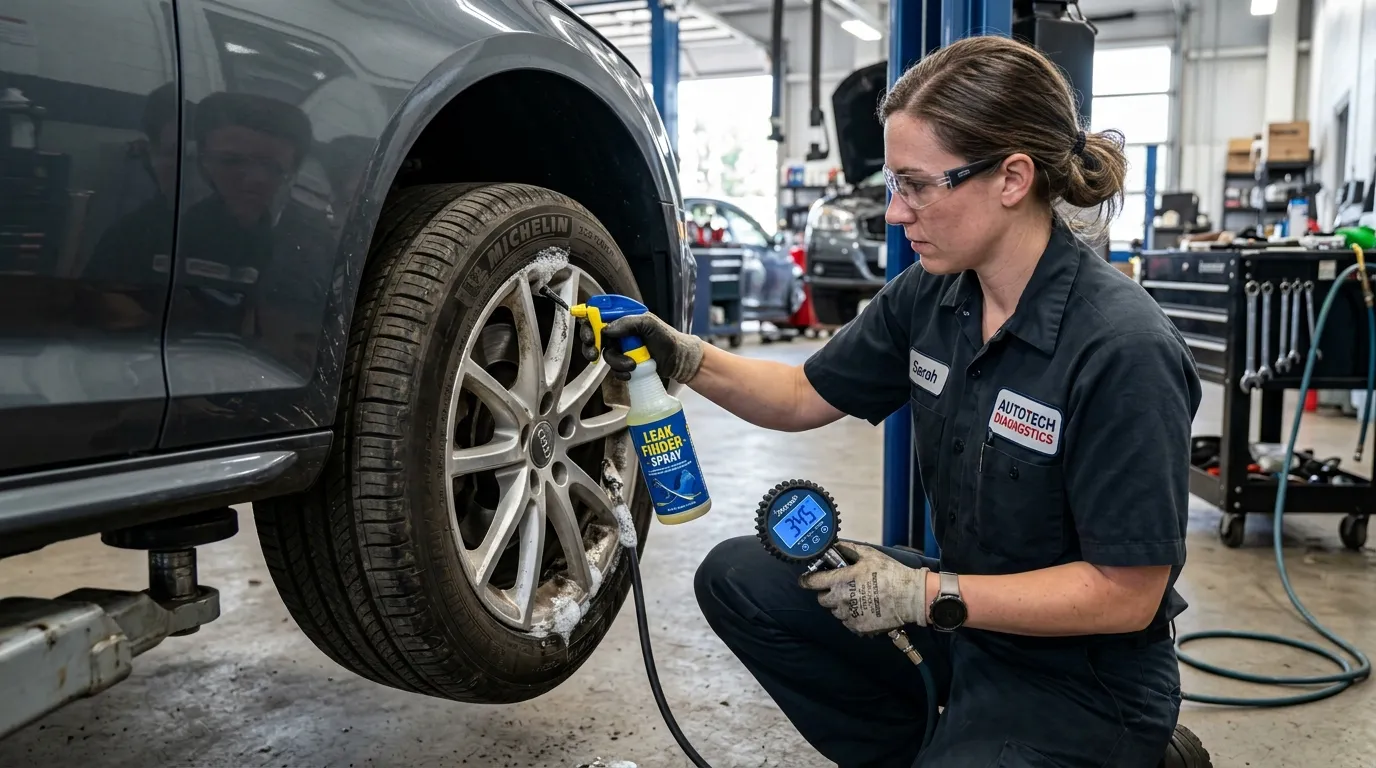
Conducting systematic receiving audits on wholesale tire deliveries protects your business against air leaks, high-speed belt separation, and unclaimable supplier losses.
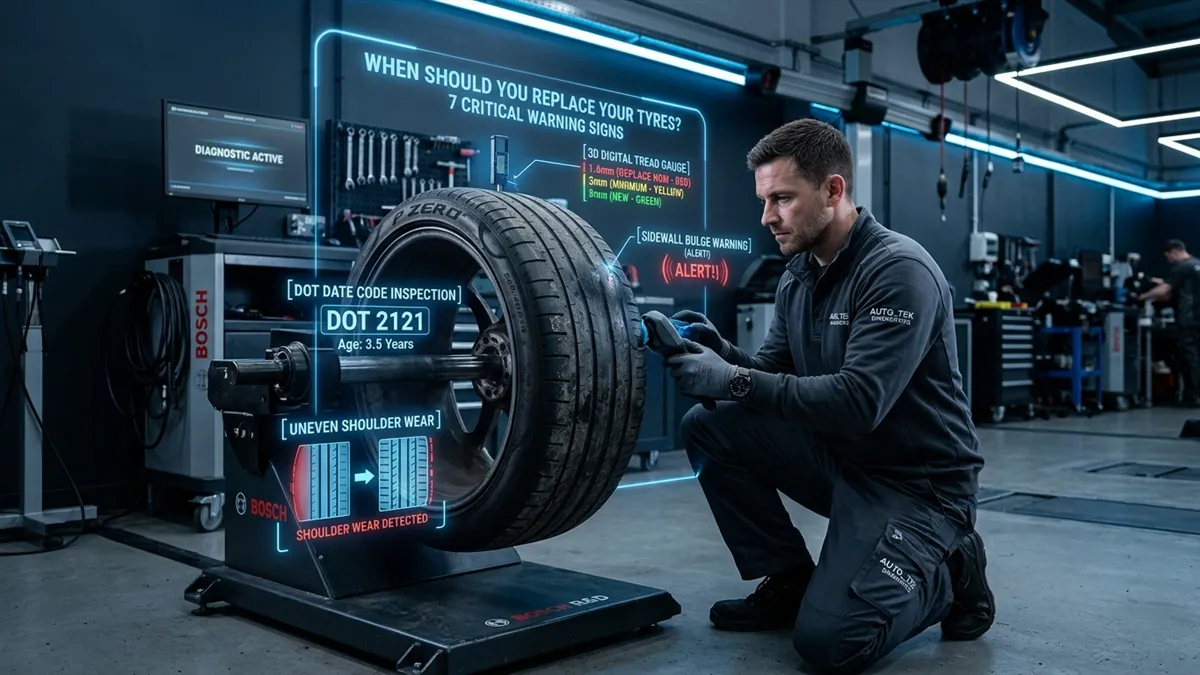
Storage Damage Inspection: Checking groove bottoms for ozone crazing and auditing bead bundle roundness.
The 4 Storage Defect Checks
Inspect tread grooves under bright light for fine network cracking caused by electric motor ozone.
Feel for oval or pinched bead wire loops resulting from horizontal stacking exceeding 1.5m.
Check for soft, sticky, or blistered tread rubber caused by warehouse floor oil or fuel contact.
Inspect inner tire chamber for standing moisture that corrodes internal brass-coated steel belts.
1. Storage Damage Symptoms & Rejection Criteria
Compare visual symptoms, root warehouse causes, and safety rejection thresholds:
| Storage Defect | Visual / Physical Symptom | Root Warehouse Cause | Safety Risk | Action Required |
|---|---|---|---|---|
| Ozone Crazing | Hairline cracks in tread grooves | Electric motors / forklift chargers | Tread chunking / rapid wear | Reject if >1.0mm depth |
| Bead Compression | Pinched, oval bead wire ring | Excessive horizontal stack height | Rim seal failure & leaks | Immediate Rejection |
| Chemical Swelling | Sticky, spongy rubber texture | Contact with oil/solvent spills | Loss of compound adhesion | Immediate Scrap |
| Internal Steel Rust | Brown water stains in innerliner | High humidity / outdoor rain leak | Catastrophic belt blowout | Reject Batch |
2. Reversible Flat-Spotting vs Permanent Structural Deformation
How to evaluate tires that appear out-of-round upon unpalletizing:
Temporary Flat-Spotting (Normal):
- Caused by static contact pressure against pallet wood.
- Rubber compound relaxes once inflated to mounting pressure.
- Disappears completely within 15–20 minutes of initial driving.
- Zero impact on long-term tire life or balance.
Permanent Carcass Kinking (Defect):
- Caused by forklift forks piercing or bending steel belts.
- Permanent indentation remains visible even when inflated.
- Causes unresolvable high-speed steering wheel vibration.
- Must be rejected and claimed under supplier warranty.
Frequently Asked Questions (FAQ)
What are the most common signs of warehouse storage damage on tires?
The most common defects are: 1. Ozone micro-cracking (crazing) in tread grooves, 2. Crushed or warped bead bundles from excessive stack weight, 3. Surface rubber softening from oil/chemical contact, and 4. Innerliner corrosion from trapped water.
What causes ozone cracking on tires stored inside a warehouse?
Ozone (O3) is generated by electric forklift battery chargers, high-voltage electric motors, arc welders, and fluorescent lighting ballasts. Airborne ozone attacks rubber double-bonds, causing network cracking.
How do you distinguish between harmless flat-spotting and permanent tire deformation?
Temporary flat-spotting from static storage disappears within 15 to 30 minutes of driving as the tire warms up. Permanent deformation involves kinked internal steel belts or warped bead rings that cause severe radial runout even when mounted.
Why is horizontal barrel stacking over 1.5 meters dangerous for unmounted tires?
The cumulative weight of 10+ tires compresses the bottom tires in the stack, permanently warping the lower bead bundles and making them impossible to seat airtight on the wheel rim.
What happens when tires come into direct contact with oils, grease, or fuel?
Petroleum hydrocarbons dissolve the vulcanized rubber matrix, causing localized swelling, sponginess, and irreversible compound delamination.
How does water trapped inside a tire carcass during storage cause failure?
Water resting in the bottom of a tire migrates through micropores in the innerliner, oxidizing the brass-coated steel belt cords and causing internal belt separation and high-speed blowouts.
Can ozone-cracked tires be repaired or treated with dressings?
No. Tire dressings only mask cosmetic surface issues. Once ozone cracking penetrates deeper than 1.0 mm into the tread grooves or sidewalls, the structural integrity of the rubber compound is permanently compromised.
How does REIFTEIL ensure zero storage damage on delivered shipments?
REIFTEIL stores all tire inventory in climate-controlled, ozone-isolated warehouses using certified steel stillages and strict FIFO stock rotation, guaranteeing pristine, damage-free delivery.
Final Verdict: Inspect Storage Quality Before Mounting
Strict visual receiving inspections eliminate warranty disputes and protect driver safety:
The Golden Summary:
- Check Bead Toe & Heel: Ensure zero compression pinching from high-stack storage.
- Isolate from Ozone: Keep tires away from welding bays and electric forklift chargers.
- Order Stillage-Stored Tires from REIFTEIL: Professional logistics ensuring zero bead or casing damage.
Source Damage-Free Wholesale Tires with REIFTEIL
Protect your shop from storage defects. REIFTEIL provides professionally stored, certified tires delivered on protected stillages and wrapped pallets from UK and European hubs.