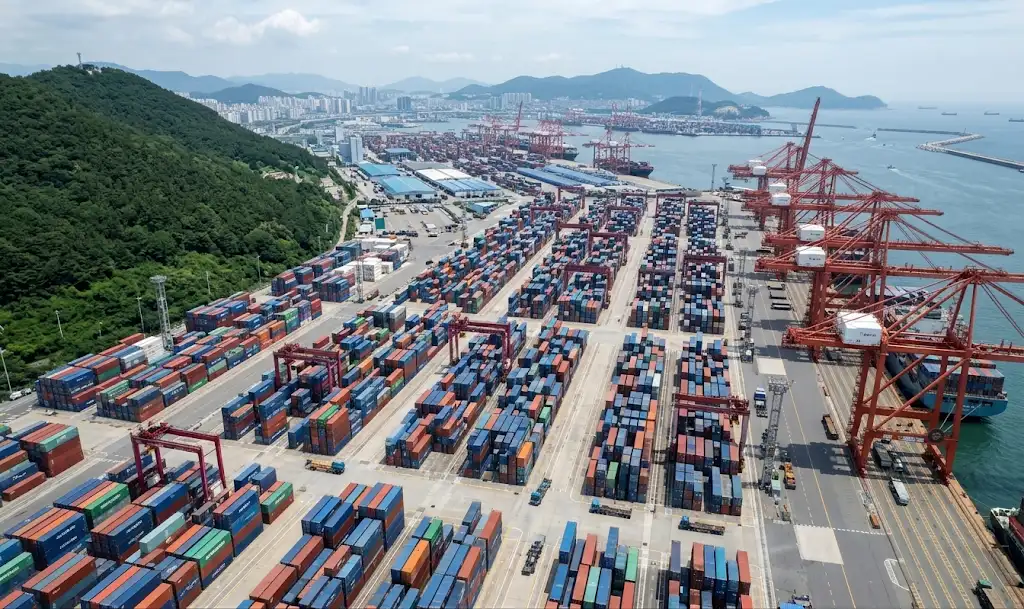
Recent developments in global container freight markets highlight a divergence in shipping dynamics, with trans-Pacific and American lanes experiencing volume dips while European import-export corridors exhibit a robust rebound.
For international B2B distributors of automotive components, passenger car tires (PCR), commercial truck and bus tires (TBR), and OEM lubricants, understanding these localized freight fluctuations is vital for maintaining healthy margins and uninterrupted supply chains across Africa, Latin America, the Middle East, and Eastern Europe.
Macroeconomic Freight Shifts and European Export Corridors
As ocean carriers reallocate tonnage in response to softening demand on North American routes, European export hubs—particularly major German container ports like Hamburg and Bremerhaven—are experiencing steady container availability paired with rising regional demand.
While this rebound in European maritime activity supports consistent vessel deployment, it also introduces nuanced cost structures for wholesale exporters and international importers.
For REIFTEIL Germany clients, leveraging these stabilized European gateways ensures that shipments of inspected used tire casings and new commercial inventory move with predictable transit times.
Impact on Commercial Tires, Used Casings, and Automotive Fluids
Freight rate adjustments directly influence the landed cost of high-volume automotive goods. Heavy-duty inventory, such as premium TBR 315/80R22.5 truck tires and doubled Grade A used casings, relies heavily on efficient space utilization within 40-foot High Cube (40HC) containers.
When European maritime lanes stabilize, wholesale buyers gain a predictable window to execute large-scale replenishment without severe spot-rate spikes.
Similarly, heavy logistical requirements for bulk shipments of German OEM engine oils (such as synthetic 5W-30 and heavy-duty 15W-40) and fast-moving spare parts benefit from steady feeder vessel schedules connecting Northern European ports to destination hubs worldwide.
Logistical Efficiency: Container Optimization Matrix
To offset variable freight tariffs, maximizing payload capacity per container is paramount. The table below illustrates standard loading metrics and freight optimization parameters for core REIFTEIL export categories:
| Product Category | Standard Unit Dimension | Nesting / Packing Method | Optimal 40HC Container Yield | Logistical Impact |
|---|---|---|---|---|
| TBR Truck Tires (315/80R22.5) | Approx. 1,075 mm outer diameter | Unnested upright / interlocked | Approx. 200–214 units | High volume-to-weight ratio; requires precision loading to maximize floor space. |
| Doubled Grade A Used Casings | Varies (PCR & Light Truck) | Nested (smaller sizes inside larger) | Up to 1,600–1,800 pieces | Exceptional freight cost reduction via multi-stage casing nesting. |
| OEM Engine Oils (15W-40 / 5W-30) | 208L Drums / 1000L IBC Totes | Palletized & secured | 20 pallets (approx. 80 drums) | Weight-limited rather than space-limited; requires careful axle weight distribution. |
| Fast-Moving Spare Parts | Boxed / Palletized OEM components | Mixed carton consolidation | Varies by gross weight (up to 27,000 kg) | High density; customs documentation accuracy (EX-1/ABD) is critical for clearance speed. |
Customs Compliance and Export Documentation (EX-1 / ABD)
Navigating changing freight markets also requires rigorous adherence to European export regulations. For shipments originating from Germany, securing the proper customs export declarations—such as the Export Declaration (EX-1) or Automated Export System (AES/ABD) documentation—is legally mandatory for VAT exemption and smooth border transit.
Importers must work exclusively with experienced B2B exporters who manage these compliance protocols seamlessly, preventing costly port demurrage and customs delays.
Actionable Importer Checklist
To safeguard profit margins and secure supply chains amid fluctuating freight conditions, fleet operators and distributors should implement the following steps:
- Audit Current Stock Levels: Evaluate inventory velocity for high-demand TBR 315/80R22.5 and passenger car tires to identify impending replenishment gaps.
- Optimize Container Density: Request nested loading configurations for used tire casings to maximize unit economics per 40HC container.
- Secure Forward Bookings: Lock in container space early along rebounding European shipping routes to avoid spot-market volatility.
- Verify Documentation Readiness: Ensure your supplier handles all German customs formalities, including EX-1 and EUR.1 certificates where applicable, to facilitate rapid destination port clearance.
- Consolidate Orders: Combine orders of OEM engine oils and fast-moving spare parts with tire shipments to optimize freight spend and reduce administrative overhead.
Concluding Trade Outlook & Strategic Advice
The recent rebound in European maritime trade corridors offers a strategic window for international automotive importers to stabilize their supply chains ahead of seasonal demand spikes.
By partnering with established exporter, wholesale buyers can effectively navigate freight rate adjustments, ensure strict compliance with European export regulations, and maintain a competitive edge in their local markets through superior product quality and disciplined logistics management.