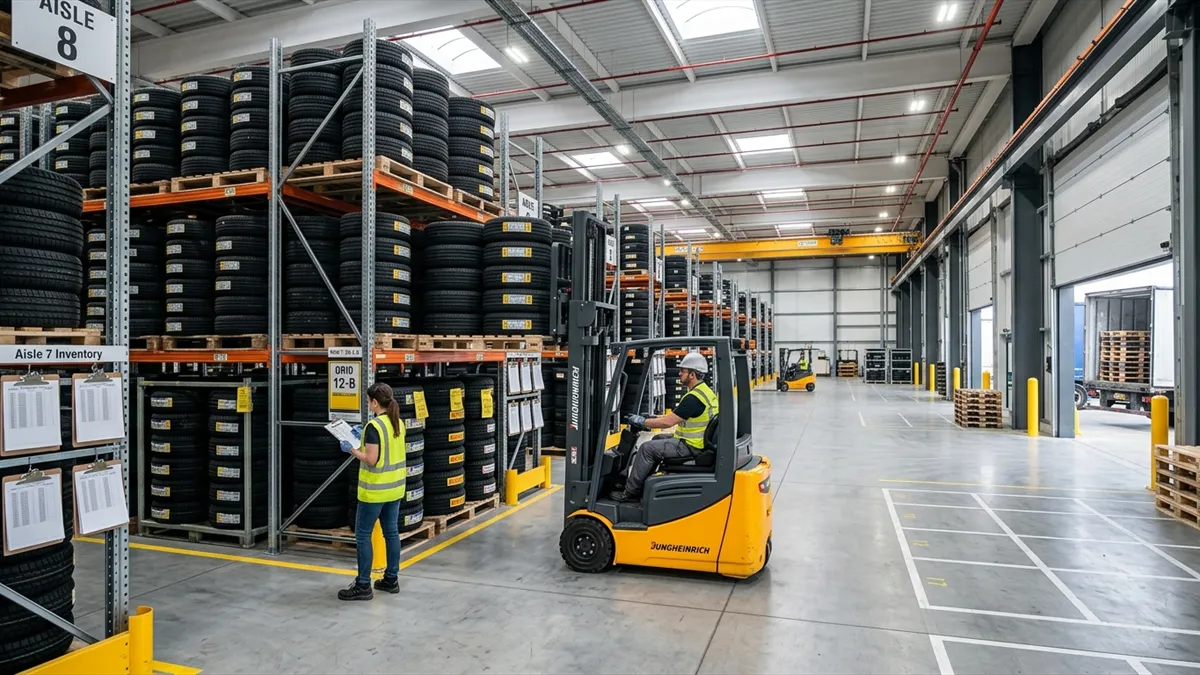
Even experienced automotive business owners frequently fall into common purchasing pitfalls. This guide examines the 10 most damaging wholesale tire procurement mistakes and provides practical safeguards to protect your bottom line.
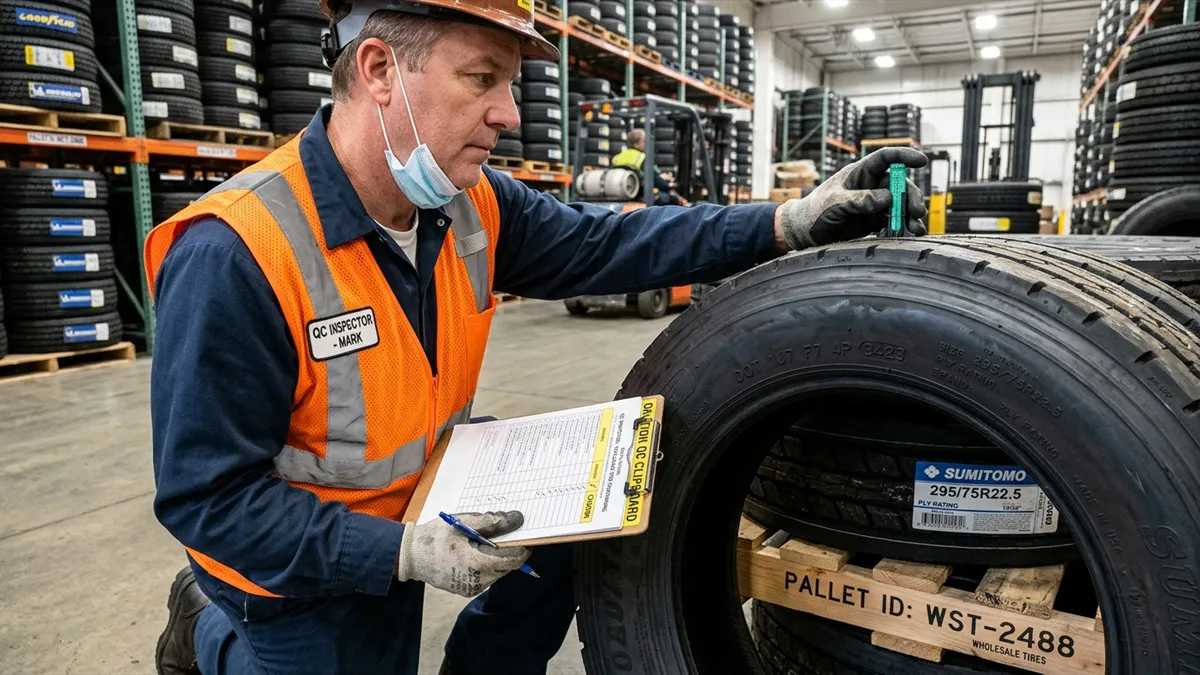
Wholesale Quality Control: Auditing tire DOT date codes, sidewall certification markings, and container packing condition.
The 4 Deadliest Wholesale Tire Traps
Discounted aged stock is rejected by retail customers and leads to unsellable inventory.
Liftgate, residential, and detention fees add €4–€8 per tire to your landed cost.
Buying pallets of slow-moving 19/20-inch sizes drains working capital for years.
Waives carrier liability for transit bead damage and missing pallet quantities.
1. The 10 Wholesale Tire Buying Mistakes & Financial Impact
Review these 10 common purchasing pitfalls and their proven operational safeguards:
| # | Procurement Mistake | Financial / Operational Risk | Prevention Strategy |
|---|---|---|---|
| 1 | Buying Aged DOT Date Stock | Customer returns & unsellable dead stock | Contractual DOT <24 month clause |
| 2 | Ignoring Landed Freight Fees | €4–€8/tire profit margin reduction | Request all-inclusive DDP/cif-vs-ddp-vs-exw-when-buying-engine-oil.html" class="text-amber-600 hover:text-amber-700 underline font-medium">FOB quotes |
| 3 | Overstocking Low-Velocity Sizes | Working capital frozen for 12+ months | Apply 80/20 Pareto Class A ordering |
| 4 | Skipping Delivery Inspection | Absorbing transit damage & shortages | Execute 5-point receiving checklist |
| 5 | Purchasing Non-ECE / 3PMSF Stock | Regulatory fines & legal liability | Verify European certification marks |
| 6 | Late Winter Surge Ordering | Supplier stockouts & premium rush rates | Order winter stock 60 days early |
| 7 | Neglecting Bead Warping | Unmountable tires due to casing crush | Inspect container lacing technique |
| 8 | Overlooking Early Cash Terms | Forfeiting 2% cash settlement discounts | Leverage 2/10 Net 30 terms |
| 9 | Sole-Sourcing From One Jobber | Vulnerability to localized supply shocks | Maintain master importer primary account |
| 10 | Failing to Track Lost Sales | Inaccurate future demand forecasting | Log walkouts by tire size daily |
2. Deep Dive: The Aged DOT Code Disaster
Why buying aging stock from clearance brokers is a false economy:
The Clearance Offer
A broker offers a 205/55 R16 pallet at €32.00 (vs standard €42.00). The catch: DOT date is 4 years old. The buyer purchases 80 units thinking they secured an €800 profit windfall.
The Commercial Fallout
Commercial fleets and discerning motorists reject tires over 3 years old. 50 tires remain on racks for 18 months, accumulating €300 in carrying costs before being liquidated at €20.00 (a net loss).
Frequently Asked Questions (FAQ)
What is the biggest risk of buying wholesale tires with older DOT date codes (>3 years)?
Tires with DOT date codes older than 36 months experience rubber compound hardening and oxidation. Retail customers and corporate fleet inspection audits routinely reject older DOT tires, forcing dealers to discount stock below wholesale cost or write off obsolete units entirely.
How do hidden freight accessorial fees destroy wholesale tire margins?
Accessorial charges such as liftgate delivery fees (€60–€120), residential zoning surcharges (€80–€150), missed delivery redelivery penalties (€100+), and port demurrage charges can easily add €3.00 to €8.00 per tire to an invoice if not pre-negotiated.
Why is buying slow-moving 'niche' tire sizes in bulk pallets a major mistake?
Niche or odd rim dimensions (e.g., 235/40 R19) may have slow annual turnover (2–4 units/year in a local market). Buying a 40-tire pallet ties up working capital for years at an annual inventory carrying cost of 20% to 25%.
What is 'bead deformation' and how does improper container packing cause it?
When containers or pallets are loaded with excessive vertical weight or improperly herringbone-laced, lower tires suffer permanent bead compression and sidewall warping, making them impossible to seat and inflate onto wheel rims without explosive bead-seating tools.
Why should tire buyers avoid non-certified European import tires?
Importing or retailing tires lacking ECE E-mark approval, EU Tyre Label QR codes, or 3PMSF severe winter certification is illegal in the EU and UK, exposing businesses to severe regulatory fines, commercial liability in road accidents, and mandatory product recalls.
What mistake do tire shops make regarding seasonal surge inventory?
Waiting until the first snowfall or temperature drop below 7°C to order winter tires results in supplier stockouts and surge freight surcharges. Professional buyers place pre-season winter orders 60 to 90 days in advance (August/September).
What is the danger of signing a Bill of Lading (BOL) without inspecting the tire delivery?
Signing a clean delivery receipt without inspecting container seals, pallet counts, or visible bead damage waives your legal right to file freight damage or discrepancy claims against the carrier and supplier.
How does REIFTEIL help buyers avoid wholesale tire purchasing mistakes?
REIFTEIL guarantees contractual DOT date codes under 24 months, transparent all-inclusive landed freight quotes, certified ECE/3PMSF compliance, and flexible mixed-pallet ordering to prevent dead stock accumulation.
Final Verdict: Discipline Guarantees Profitability
Avoiding wholesale tire traps protects your business capital and ensures continuous retail growth:
The Golden Summary:
- Never Compromise on DOT Age: Reject clearance tires older than 24 months.
- Demand All-Inclusive Freight: Ensure delivery accessorial fees are included in quote totals.
- Inspect Before Signing: Note any damaged beads or missing units on the driver's BOL.
Source Wholesale Tires with Guaranteed Quality & Freshness
Eliminate procurement risks. REIFTEIL guarantees DOT date freshness under 24 months, fully transparent landed pricing, certified ECE compliance, and rapid claims resolution.