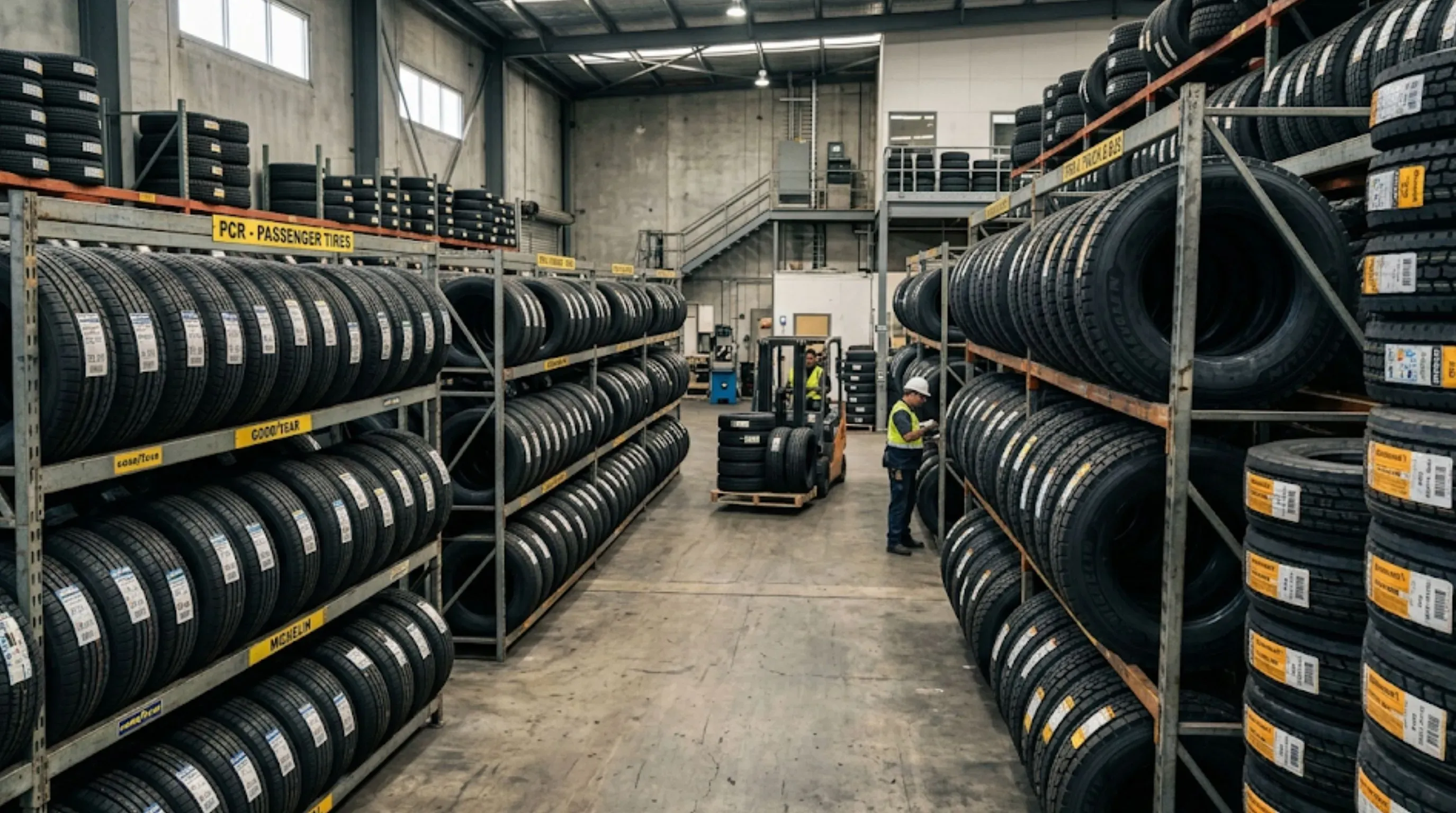
By understanding the root causes of the most common international tire import disasters and implementing proactive verification protocols, commercial buyers can safeguard their capital, eliminate port penalties, and protect customer satisfaction.

Import Risk Mitigation: Auditing container moisture seals, verifying ECE sidewall markings, and expediting port terminal release.
The 4 Proactive Prevention Protocols
Mandate independent loading photos to prevent hydraulic over-compression and bead crush.
Eliminate port demurrage by securing electronic bill of lading release prior to vessel arrival.
Verify physical sidewall stamps on sample units to prevent customs seizure and cargo destruction.
Require 4–6 industrial calcium chloride poles per container to eliminate container rain.
1. Import Problem & Mitigation Strategy Guide Table
The 8 most severe tire import problems, their financial consequences, and standard prevention protocols:
| Import Problem | Root Cause | Financial Impact | Mandatory Prevention Protocol |
|---|---|---|---|
| 1. Port Demurrage Accumulation | Delayed original BOL or customs hold | €150–€300 / day / container | Use Telex Release + 14-day free time |
| 2. Permanent Bead Crush | Over-compressed container lacing | 15%–30% unsellable stock | Prohibit hydraulic tire doubling |
| 3. Customs Seizure (No E-Mark) | Missing ECE R117 / 3PMSF stamp | 100% total cargo loss | Audit pre-shipment mold photos |
| 4. Anti-Dumping Tariff Shock | Unverified manufacturing origin | +€25 to €45 extra cost / tire | Verify REX / COO origin certificate |
| 5. Moisture & Mold Contamination | Container rain during sea transit | Costly cleaning & bead oxidation | Mandate 6 desiccant poles per box |
| 6. Aged DOT Inventory (>24 mo) | Factory dumping old warehouse stock | Retail customer rejection | Contractual DOT <18mo guarantee |
2. Preventing Irreversible Bead Crush & Distortion
When factories cram 1,350+ tires into a 40ft container using hydraulic rams, the bottom 4 tiers of tires experience thousands of kilograms of static pressure over a 30-day ocean voyage.
The Symptoms of Crushed Beads:
- Tire bead wires warped into oval shapes.
- Inability of automated tire fitters to seat the bead on rims.
- Micro-cracking along the inner liner causing slow air seepage.
The Prevention Standard:
- Limit 40ft High Cube packing to maximum 1,200–1,250 standard PCR units.
- Prohibit hydraulic tire packing presses in factory contracts.
- Demand uncompressed herringbone lacing with photos of container doors closing.
Frequently Asked Questions (FAQ)
What is the single most common cause of customs delays when importing tires?
The most frequent cause is documentation discrepancy: mismatches between the Commercial Invoice, Packing List, and Bill of Lading (such as differing unit counts, incorrect gross weights, or unverified HS tariff codes).
How can buyers prevent tire bead deformation during ocean transit?
Enforce strict loading supervision at the factory, mandate herringbone interlacing without hydraulic compression tools, prohibit stacking heavy TBR tires on top of PCR tires, and inspect container loading photos before departure.
What happens if an imported tire container arrives with mold or moisture damage?
Immediate action is required: photograph container seals and inside conditions before unloading, note 'Moisture Damage' on the trucker delivery receipt (POD), and file a formal claim with your marine cargo insurance underwriter within 3 days.
How do importers avoid unexpected anti-dumping duties at customs?
Obtain an official Binding Tariff Information (BTI) ruling or verify the factory's authenticated Certificate of Origin (COO / EUR.1 / REX statement) with a licensed customs broker prior to transferring purchase order deposits.
How can buyers avoid port demurrage fees when shipping lines delay documents?
Negotiate 14 to 21 days of combined demurrage/detention free time with the shipping line in your ocean freight contract (rather than standard 5–7 days) and always request an electronic Telex/Express Release for the Bill of Lading.
What should a buyer do if tires arrive with DOT date codes older than contracted?
Include an explicit clause in your Proforma Invoice stating that tires older than 18 months will be subject to a 20% invoice debit credit or returned at supplier expense, and verify DOT photos in the third-party pre-shipment report.
How do you protect your business against overseas supplier fraud?
Never transfer 100% upfront wire payments. Conduct an on-site factory video audit, verify company registration in export trade registries, and utilize Irrevocable Letters of Credit (LC) for large commercial purchases.
How does buying through REIFTEIL eliminate international import risks?
REIFTEIL assumes 100% of the maritime shipping, customs clearance, demurrage, and warranty liability, delivering fully inspected, legally homologated tires from domestic UK and German distribution hubs with domestic commercial guarantees.
Final Verdict: Discipline and Due Diligence Guarantee Safe Imports
A proactive risk mitigation protocol eliminates costly import pitfalls:
The Golden Summary:
- Pre-Clear Paperwork: Eliminate demurrage by ensuring all paperwork matches physical cargo.
- Audit Before Loading: Mandate container loading supervision to prevent bead damage.
- Zero-Risk Sourcing with REIFTEIL: Bypass all international import hazards with fully cleared domestic supply.
Eliminate Import Hassles with REIFTEIL
Protect your capital. Source container-direct wholesale tires with guaranteed ECE compliance, zero demurrage risk, and door-to-door delivery from REIFTEIL's European and UK distribution hubs.