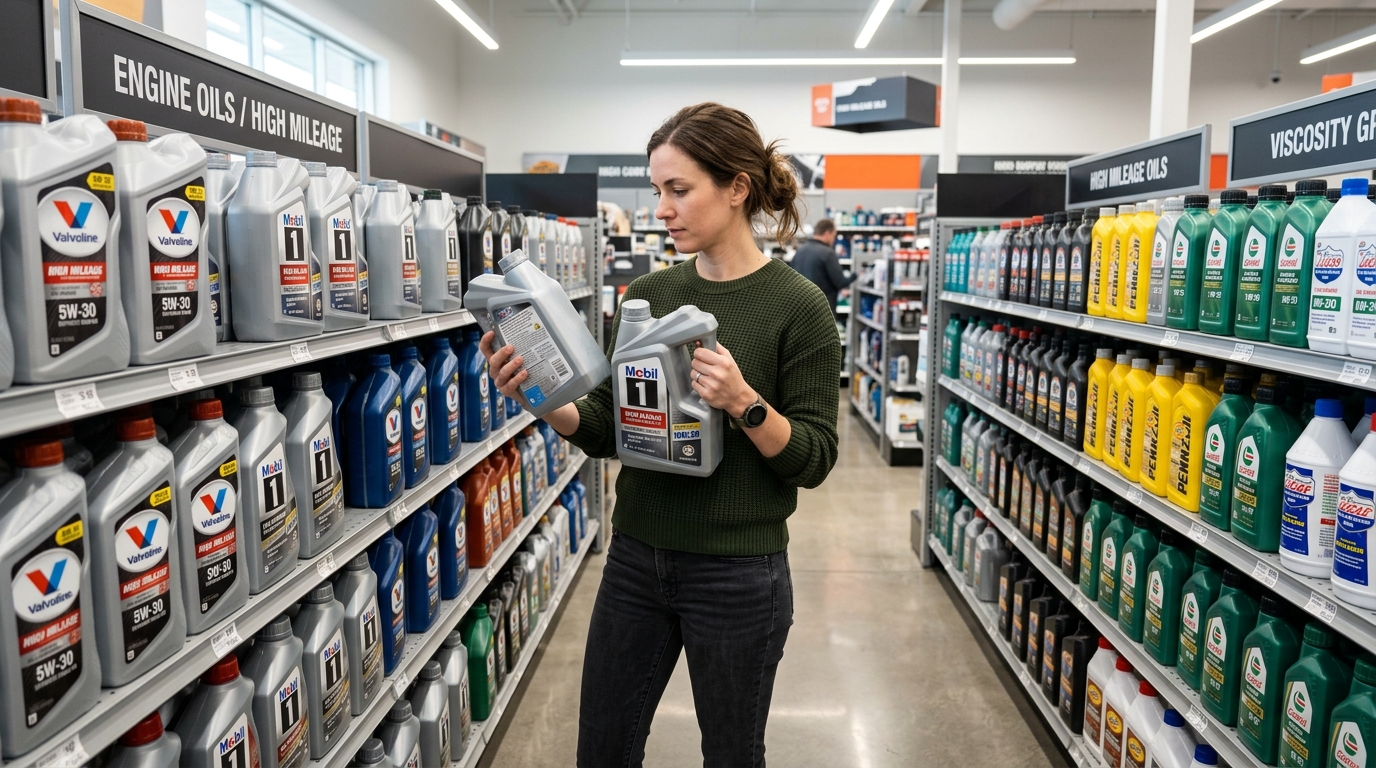
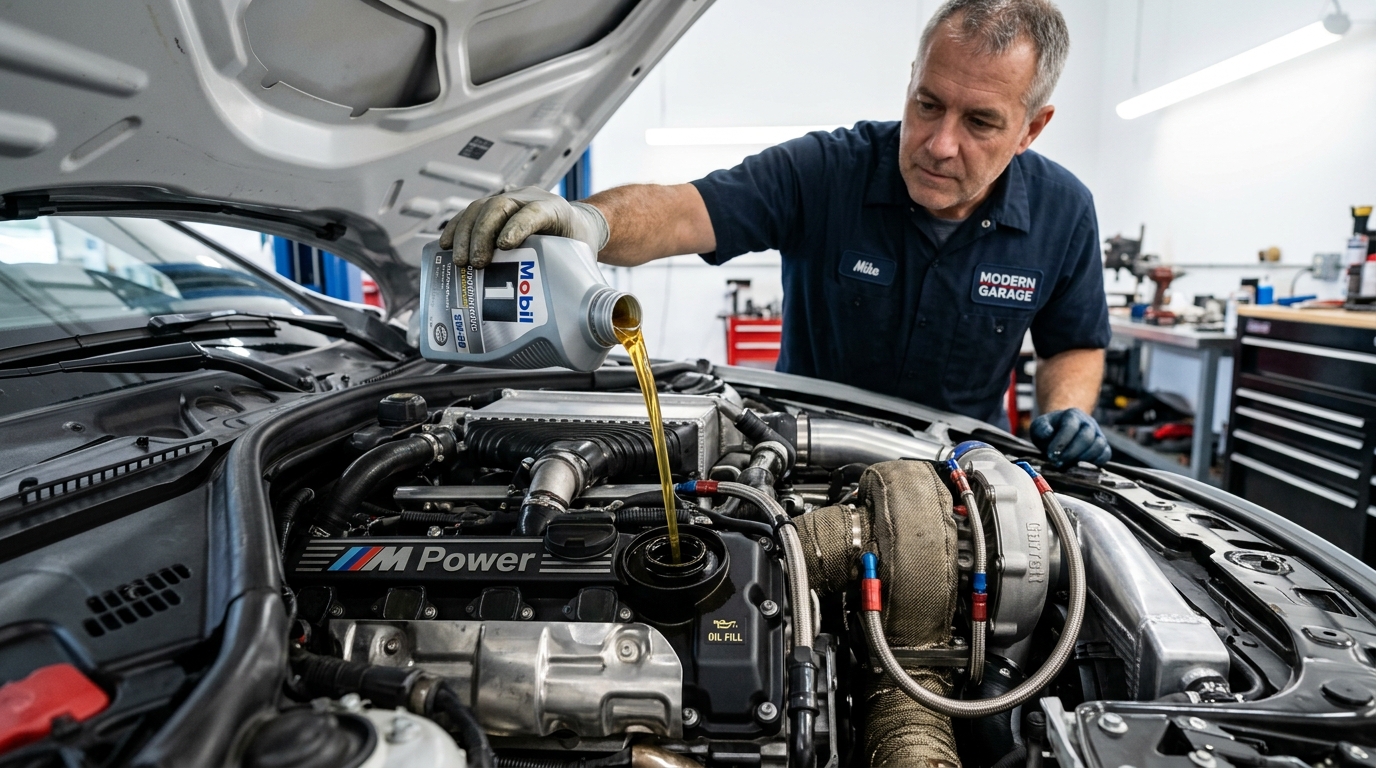
Importing engine oil from Europe is a strategic move for automotive parts distributors, commercial fleet operators, and industrial lubricant importers seeking premium, OEM-approved fluids.
European blenders—particularly those in Germany—are renowned for using premium Group III, Group IV (PAO), and Group V (Ester) base stocks combined with advanced additive packages that meet strict European Automobile Manufacturers' Association (ACEA) specifications.
However, navigating transatlantic trade requires a thorough understanding of REACH chemical compliance, preferential customs documentation (EUR.1 certificates), container ocean freight logistics, and Incoterms. This B2B guide breaks down every step of the import process.
Quick Answer: How to Import Engine Oil From Europe
To successfully import European engine oil, importers must partner with blenders that provide genuine OEM builder approvals, comply with REACH regulations, issue EUR.1 / REX origin certificates for 0% tariffs, and utilize FCL sea freight.
Import Milestone Roadmap:
- Partner with ATIEL/EELQMS certified EU blenders
- Verify OEM approvals (MB, VW, BMW, Porsche)
- Obtain EUR.1 / REX Origin Certificate (0% Tariff)
- Book Full Container Load (20ft FCL ocean freight)
- Secure 16-section SDS & ISO 17025 batch COA
- Clear customs under HS codes 2710.19 or 3403.19
See our detailed breakdown of what documents are needed to import engine oil to prepare your customs filing before vessel arrival.
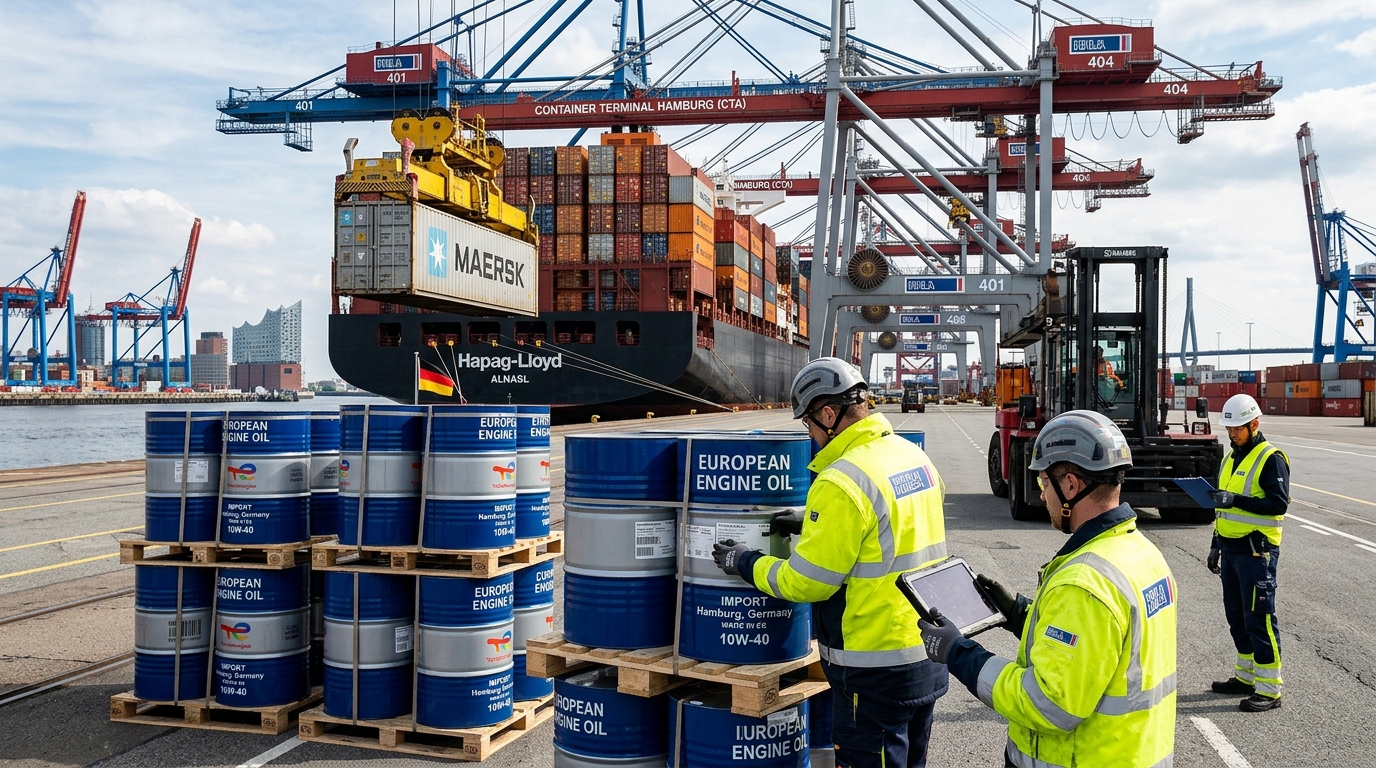
Table of Contents
1. Why Source Engine Oil From Europe?
The European lubricant manufacturing sector is regarded as the global benchmark for high-performance automotive and heavy-duty diesel oils. European blenders are driven by stringent emissions mandates (Euro 6 / Euro 7) and high-stress engine designs.
Germany, in particular, hosts world-class blending facilities operating under the European Engine Lubricants Quality Management System (EELQMS) and ATIEL standards. By sourcing directly from European blenders, B2B importers gain access to Group III synthetic base oils and PAO/Ester synthetic formulations engineered to exceed severe duty cycles.
2. Securing OEM Approvals ("Builder Approvals")
For B2B distributors and dealership networks, carrying lubricants with official Original Equipment Manufacturer (OEM) approvals is a primary competitive advantage. Unlike general specification claims, a genuine OEM approval letter indicates that the vehicle manufacturer (e.g. Mercedes-Benz, Volkswagen Group, BMW, Porsche, MAN, Volvo) has tested and certified the specific formulation.
When importing European oil, insist that your blender supplies official, current approval certificates. These documents allow workshops to service vehicles while maintaining factory warranty coverage.
3. REACH Chemical Regulation Compliance
European chemical production is governed by the Registration, Evaluation, Authorisation and Restriction of Chemicals (REACH) regulation.
Importing REACH-compliant lubricants guarantees full chemical traceability of base oils and additive components. This rigorous data foundation makes registering imported fluids with your local environmental protection agency (such as TSCA in North America) significantly simpler.
4. Logistics: FCL Sea Freight vs. Air Freight
Engine oil is a heavy liquid commodity (density ~0.85–0.89 kg/L). Freight costs heavily impact total landed costs when shipping engine oil internationally:
208L Steel Drums
A standard 20ft FCL container holds 80 drums (~16,640L). Ideal for workshop dispensing and fleet storage.
1,000L IBC Totes
A 20ft FCL container accommodates 18 to 20 IBC totes (~18,000–20,000L), maximizing container volume efficiency.
Bulk Flexitanks
Flexible bladders inside 20ft dry containers hold up to 24,000L of bulk oil, providing the lowest per-liter transport cost.
5. EUR.1 Certificates & Preferential Tariffs
Customs duties represent a major component of landed cost. To minimize tariff expenses when importing from the EU:
- EUR.1 Movement Certificate: Request an official EUR.1 certificate issued by the European Chamber of Commerce to claim 0% preferential tariff rates under trade agreements.
- REX Registered Exporter Declaration: For shipments originating from registered EU exporters, a REX statement on the invoice replaces physical EUR.1 forms.
- Correct Incoterms Selection: Review FOB vs CIF vs DDP terms to ensure clear division of freight liability and insurance.
Frequently Asked Questions
Why is Germany considered the premier source for imported engine oils?
German blenders adhere to strict ATIEL/EELQMS quality management systems and high ACEA performance specifications, manufacturing oils with genuine OEM approvals from Mercedes-Benz, Volkswagen, BMW, and Porsche.
What is an EUR.1 movement certificate and how does it lower customs duties?
An EUR.1 certificate or REX exporter declaration proves European manufacturing origin, allowing importers in countries with EU Free Trade Agreements to claim 0% preferential customs tariffs.
How does REACH chemical regulation impact importing European lubricants?
REACH compliance guarantees chemical traceability and safety data for all base oils and additive packages, simplifying product registration with local environmental agencies.
Is FCL sea freight better than air freight for importing engine oil?
Yes. Engine oil is a dense liquid. Full Container Load (FCL) sea freight in 208L drums, 1,000L IBC totes, or flexitanks provides the necessary scale to achieve low per-liter shipping costs.
What documentation is required to clear European oil imports at destination ports?
Required paperwork includes Commercial Invoice, Packing List, Bill of Lading (B/L), EUR.1 / REX Certificate of Origin, 16-section SDS, and laboratory Batch Certificate of Analysis (COA).
Final Takeaway
Importing engine oil from Europe provides distributors and fleets with high-grade lubricants backed by genuine OEM approvals.
By combining FCL container ocean freight, REACH-compliant formulations, and EUR.1 origin certification, B2B buyers can optimize landed costs and deliver premium European quality to their markets.
Direct German Engine Oil Export Sourcing
REIFTEIL exports premium German-blended motor oils (API SP, ACEA C3/E9) in 208L drums, 1,000L IBCs, and flexitanks with full EUR.1 origin certificates and OEM approvals.
REIFTEIL Direct EU Sourcing Advantages: