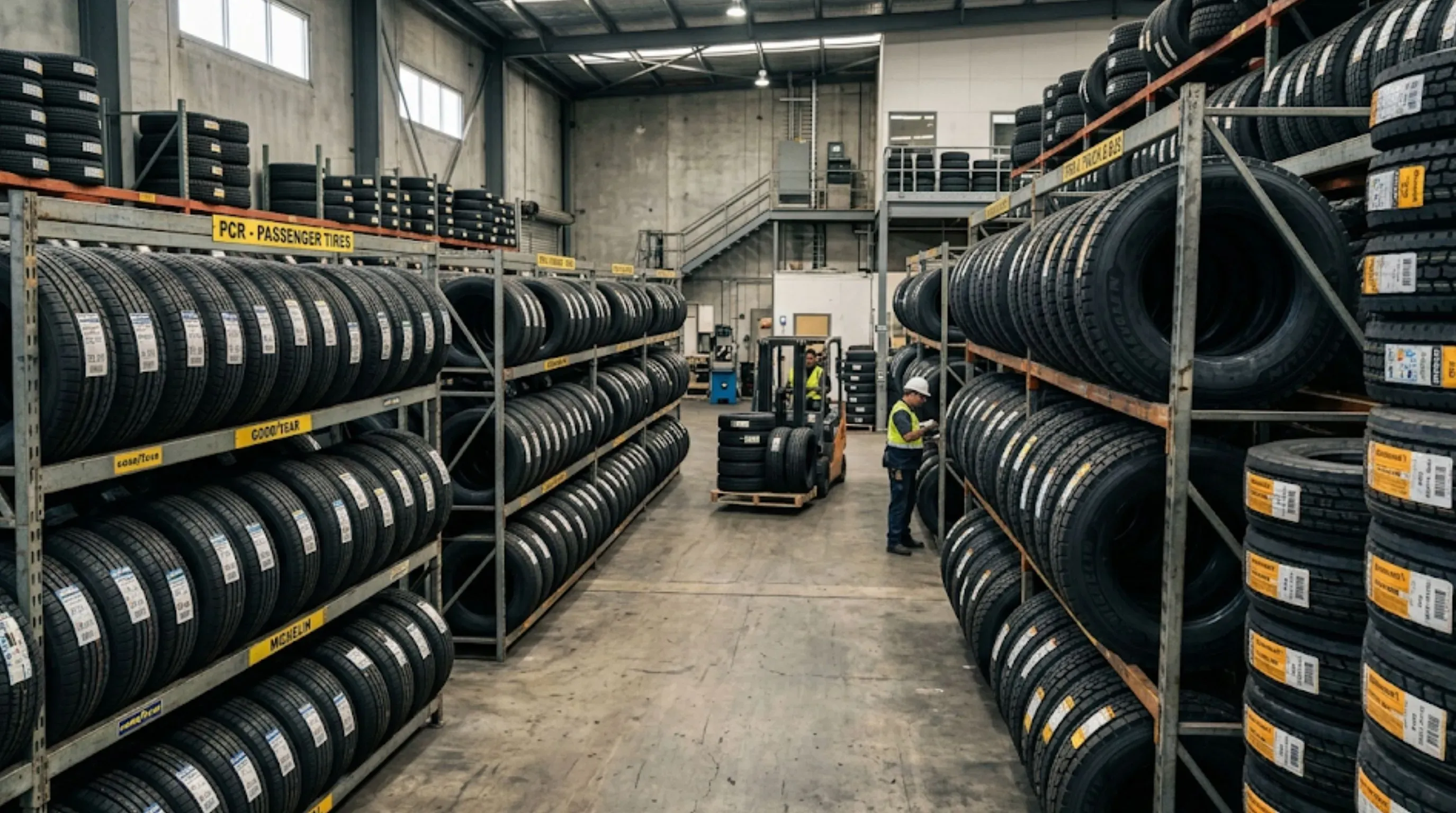
Understanding the step-by-step physical and legal stages of international tire shipping enables commercial buyers to minimize transit delays, eliminate hidden port accessorial charges, and protect cargo integrity.
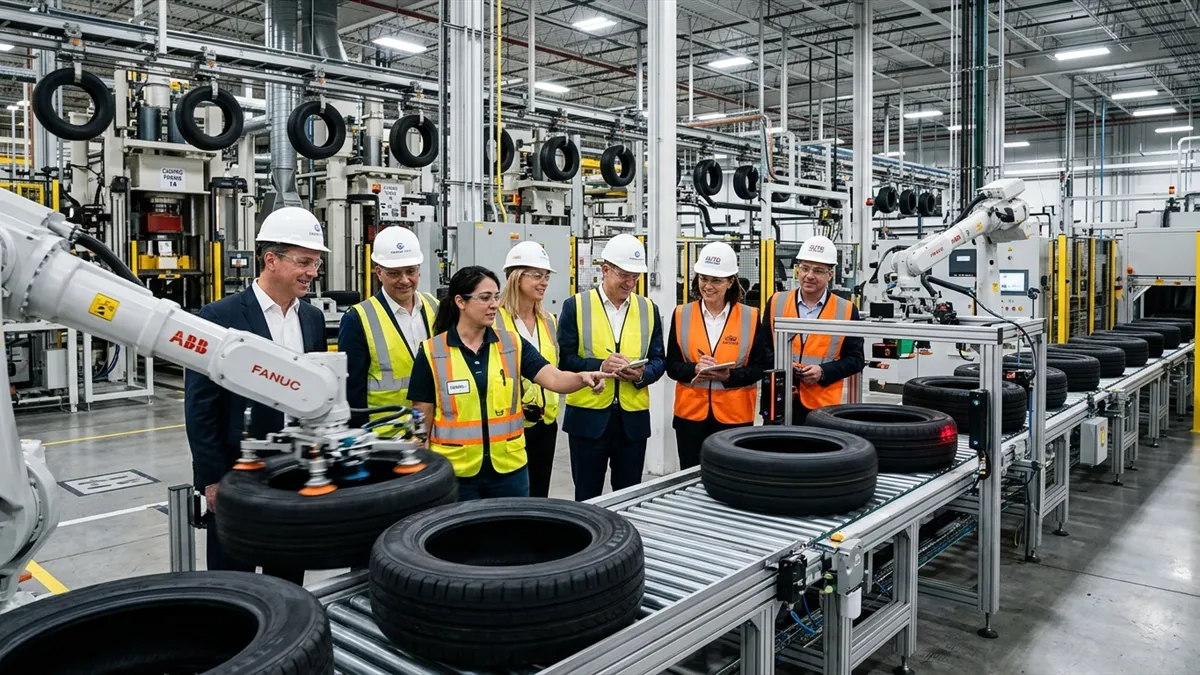
Maritime Freight Logistics: Tracking vessel sailings, destination port free time, and terminal drayage operations.
The 4 Maritime Logistics Milestones
Containers laced at factory bay and delivered to departure container yard before vessel cut-off.
22–32 day maritime sailing monitored via container tracking numbers and satellite AIS.
Pre-clear customs during transit to pick up container within standard 5–7 free days.
De-stuff container within 2-hour driver window and return empty box within 14-day free window.
1. International Tire Transit Milestones & Timeline
A standard ocean freight transit cycle from factory gates in Asia to a European warehouse:
| Transit Phase | Duration | Operational Milestone | Cost & Risk Factor |
|---|---|---|---|
| 1. Factory Stuffing & Drayage | 2–3 Days | Container loaded, sealed, and trucked to export port | Lacing quality check |
| 2. Export Customs Clearance | 1–2 Days | Export declaration processed, container loaded to vessel | Cut-off timing compliance |
| 3. Ocean Transit Voyage | 22–32 Days | Vessel navigates international maritime route | Marine insurance active |
| 4. Port Discharge & Handling | 1–2 Days | Gantry cranes discharge box to terminal container yard | Terminal Handling Charge (THC) |
| 5. Import Customs Entry | 1–3 Days | 4.5% duty & import VAT settled; release pin issued | Demurrage clock begins |
| 6. Inland Haulage & Return | 1–3 Days | Trucking to warehouse, live unstacking, empty return | Detention avoided |
2. Demurrage vs Detention: Avoiding Port Penalties
Port delay penalties accumulate at €100 to €250+ per container per day. Understanding the difference is vital:
Inside the Port Terminal
Starts when a full container sits in the terminal beyond granted free time (usually 5–7 calendar days). Caused by customs delays, unpaid duties, or missing original BOL documents.
Outside the Port Terminal
Starts when the container is picked up from the port but not returned empty to the carrier container depot within granted free days (usually 7–14 calendar days).
Frequently Asked Questions (FAQ)
How long does ocean freight shipping take for international tire containers?
Port-to-port ocean transit typically takes 22 to 32 days from East Asia to major European ports (such as Hamburg, Rotterdam, Antwerp, or Southampton). Inland drayage adds 2 to 5 business days.
What is the difference between demurrage and detention charges?
Demurrage is the daily penalty assessed by the port terminal for containers remaining inside the port beyond free time (typically 5–7 days). Detention is the daily charge assessed by the ocean carrier for keeping the empty container outside the port beyond the return window (typically 7–14 days).
What marine cargo insurance policy is recommended for bulk tire shipments?
Always secure Institute Cargo Clauses (A) 'All Risks' insurance. This covers total loss, vessel sinking, container jettison, seawater damage, and transit accidents, costing roughly 0.25% to 0.45% of the CIF invoice value.
What are Terminal Handling Charges (THC) and who pays them?
THC is the port fee for unloading the container from the cargo vessel onto the terminal container yard. In FOB and CIF terms, destination THC is paid by the consignee (importer) to the destination shipping agent prior to release.
How do buyers track international tire container vessels in real time?
Using the unique 11-character container number (e.g. MSKU1234567) or the Master Bill of Lading (MBL) tracking number via global carrier portals or AIS satellite vessel tracking services (such as MarineTraffic or Freightos).
How does moisture and condensation affect tires during ocean transit?
Temperature shifts across ocean routes cause container rain (condensation). Quality tire shippers install high-capacity calcium chloride container desiccant poles and ensure tires are 100% dry when stuffed into the container.
What equipment is required at the destination warehouse to unload tire containers?
Because imported tires are floor-loaded in herringbone patterns to maximize cubic volume, warehouses need a team of 3–4 manual un-loaders, conveyor rollers, or specialized forklift tire clamps to de-stuff a 40ft HQ container within the 2-hour free driver wait time.
How does REIFTEIL manage shipping logistics for wholesale partners?
REIFTEIL maintains contracted annual container freight allocations with Tier-1 ocean shipping lines, managing ocean booking, port clearance, and rapid domestic delivery with zero demurrage risk for buyers.
Final Verdict: Proactive Shipping Control Protects Profit Margins
Managing shipping milestones and port turnaround times ensures prompt container delivery:
The Golden Summary:
- Pre-Clear Customs: File import paperwork prior to vessel arrival to avoid demurrage.
- Mandate All-Risks Insurance: Cover marine freight with Institute Cargo Clauses A.
- Plan Unloading Crews: Ensure 3–4 person warehouse crews are scheduled for rapid container de-stuffing.
Get Door-to-Door Wholesale Tires with REIFTEIL
Eliminate demurrage risk and international freight hassles. REIFTEIL coordinates shipping, customs, and domestic transport, delivering container-rate tires directly to your depot.