
← All Industry News
#Container Logistics
Showing all news reports and market intelligence indexed under #Container Logistics.
Showing all news reports and market intelligence indexed under #Container Logistics.
Verified news coverage for #Container Logistics.

Logistics
German container shipping line Hapag-Lloyd upgraded its full-year financial guidance on November 13, citing stronger-than-expected freight rates that directly impact ocean transport overhead for automotive, tire, and lubricant importers.
Logistics
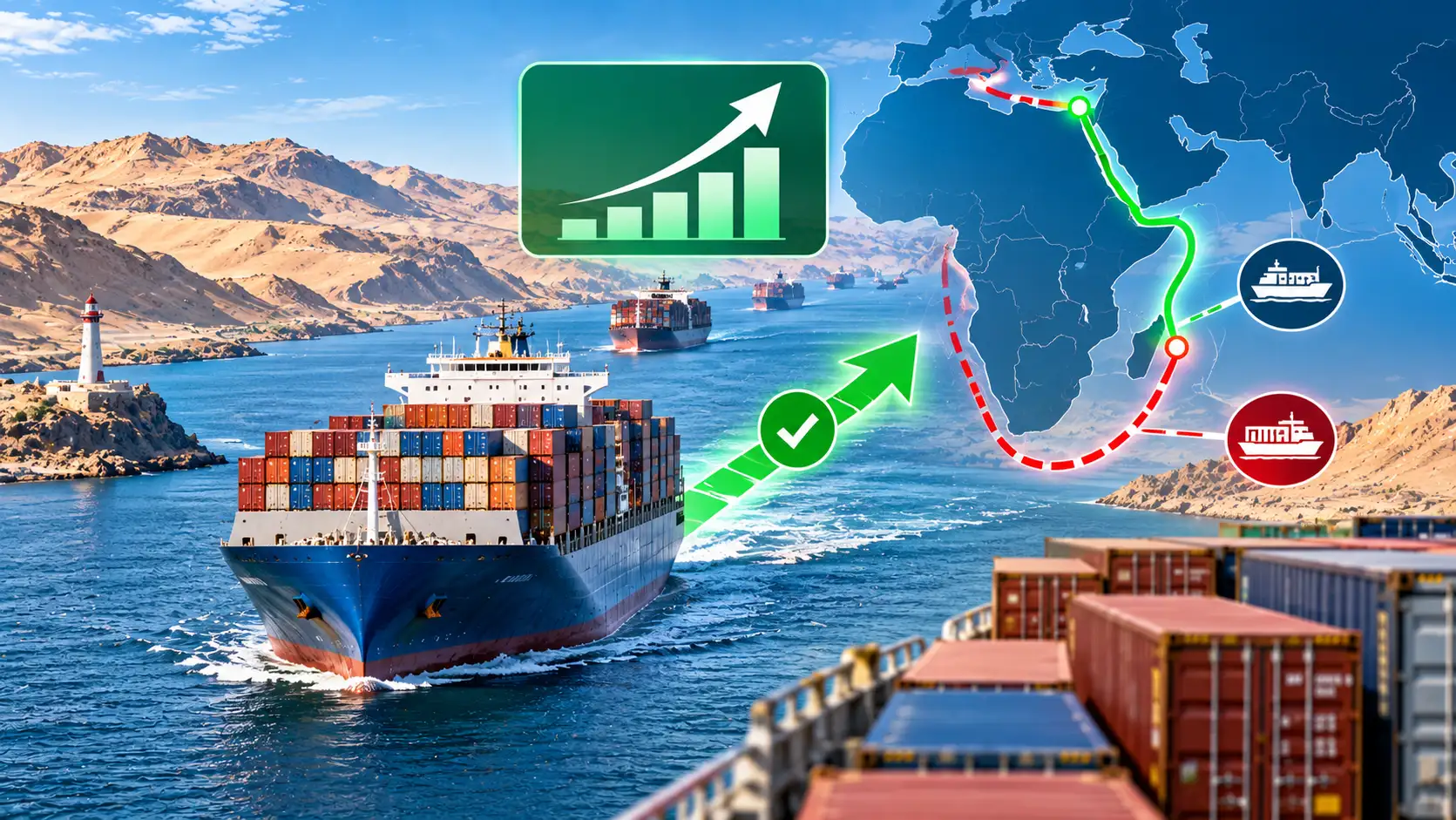
Maritime tracking data reported on November 10 indicates commercial vessel transits through the Red Sea are rebounding toward baseline levels following months of Cape of Good Hope diversions. For automotive parts importers, tyre distributors, and lubricant blenders, sustained access to the Suez corridor could eliminate 10 to 14 days of sailing time and soften container spot rates, though carrier risk postures remain fragmented.
Logistics
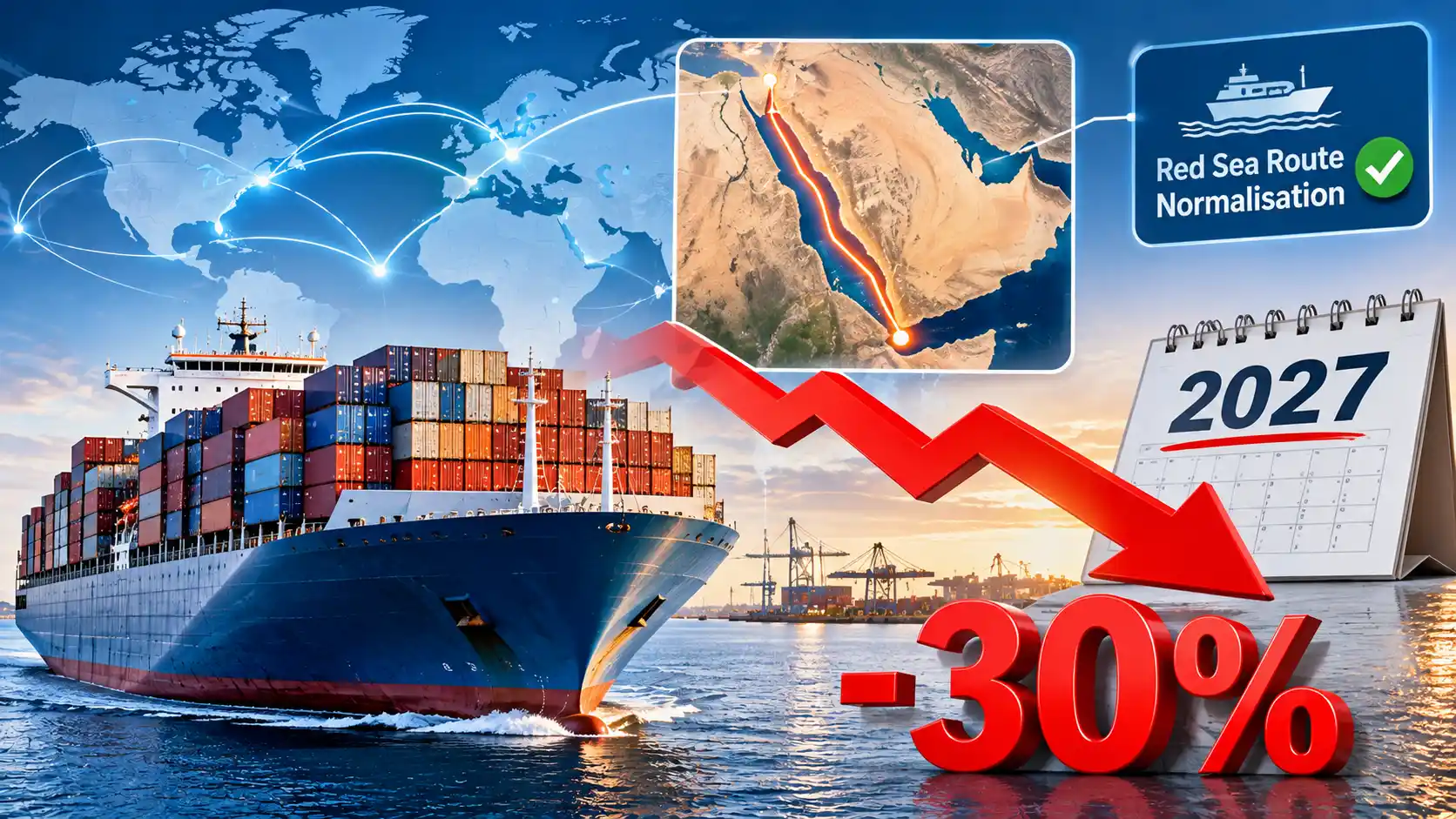
Maritime analysts at the Xeneta Summit on November 7 forecast a 30% decline in ocean freight spot rates for 2027 as vessel capacity floods back following an eventual return to the Red Sea trade lane. For tyre importers and automotive distributors, this shift signals potential relief in ocean container freight rates and altered landed costs.

Logistics
Maersk announced the return of its ME1 Gemini service to the Suez Canal route on November 6, aligning with evolving European Union regulatory changes including EUDR and CBAM. This shift impacts transit timelines and compliance protocols for importers and logistics operators moving goods into Europe.
Automotive Aftermarket
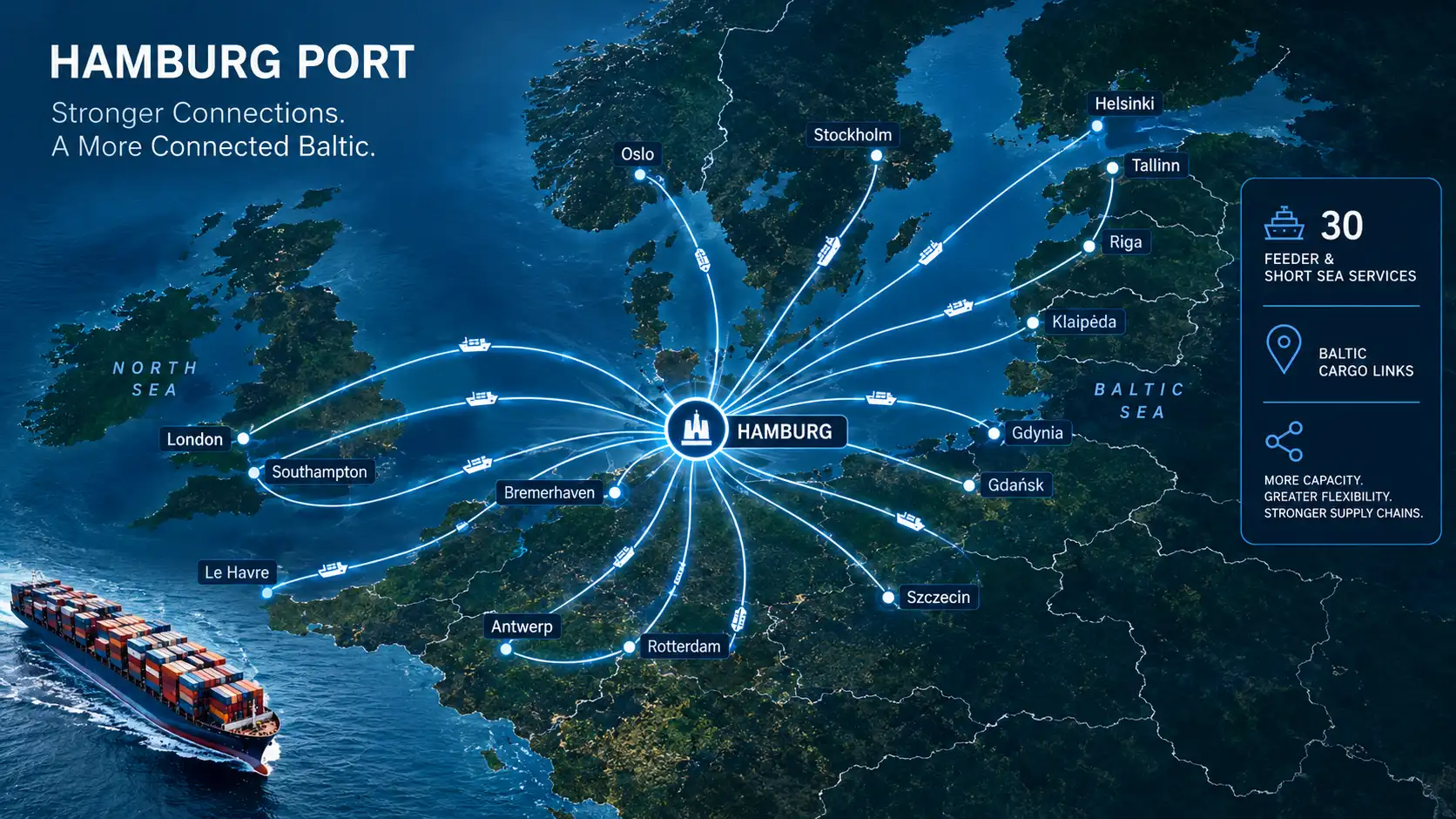
The Port of Hamburg has consolidated its maritime logistics network with the operation of 30 dedicated feeder and short sea services connecting to Baltic markets. This infrastructure development impacts transit times and container freight reliability for bulk importers and logistics operators.

Logistics
A Container News industry survey published on October 26 confirms maritime and logistics professionals now identify cyberattacks as the single greatest threat to cargo security. For automotive, tyre, and lubricant importers, the operational shift exposes vulnerabilities in digital customs documentation, electronic release orders, and container terminal processing.