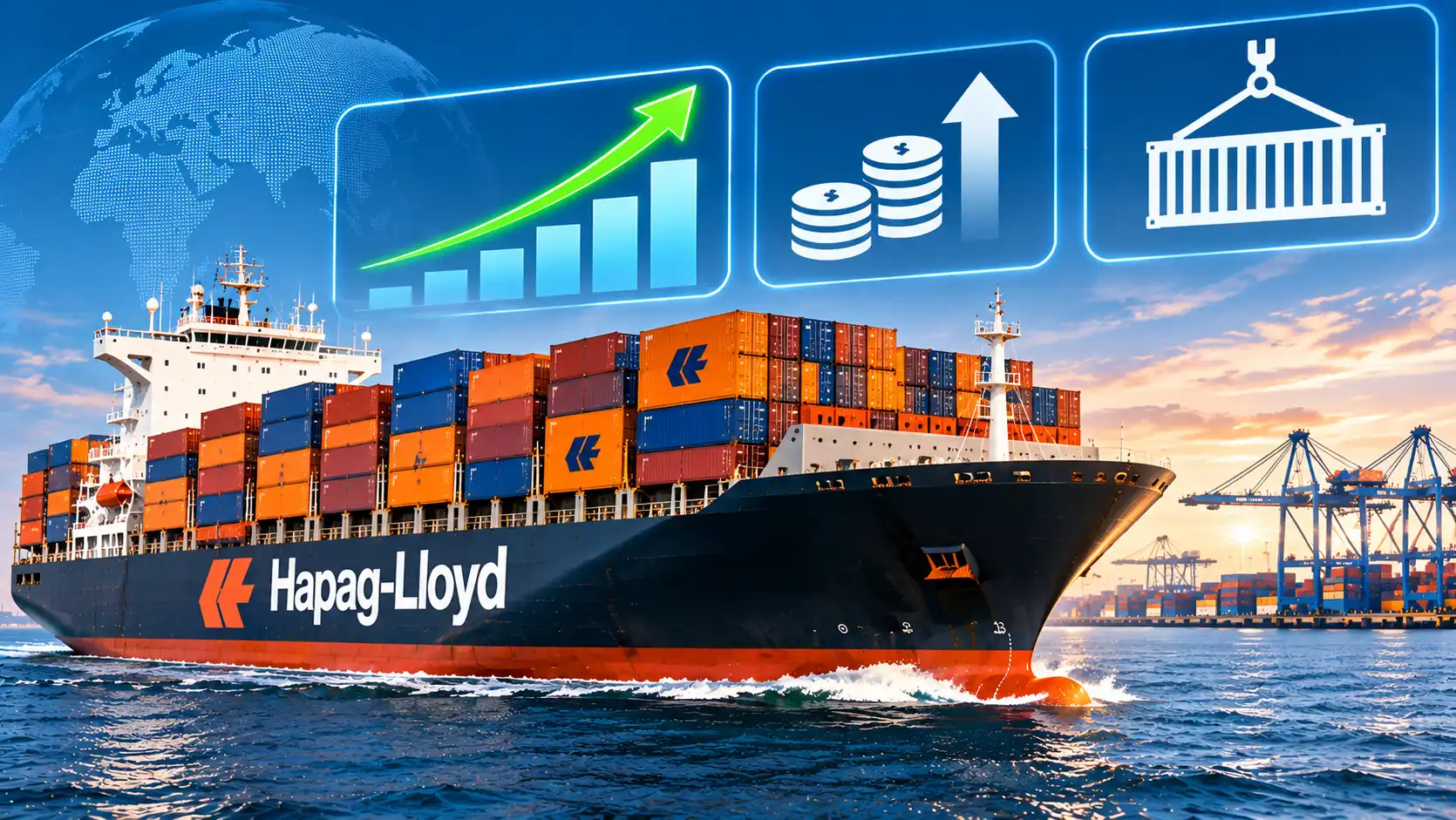
German container shipping line Hapag-Lloyd raised its full-year financial guidance on November 13, driven by sustained, stronger-than-expected ocean freight rates. The announcement affects global logistics operators, container shipping lines, and international cargo importers navigating ongoing maritime supply chain expenses.
Official sources confirm the upward revision of the carrier's financial outlook, anchored by resilient market freight rates through the final quarters. However, precise net earnings figures and specific route-by-route volume breakdowns remain unverified pending the release of the complete financial statements.
REIFTEIL Trade Analysis & Practical Implications
For tyre buyers, commercial fleet directors, and automotive aftermarket importers relying on containerized shipments, such as; PCR consignments from Asian manufacturing hubs or bulk lubricant exports, ocean freight costs represent a critical variable in landed unit economics.
Sustained high freight rates prevent the anticipated correction in logistics overhead, directly affecting inventory holding costs and landed margins for bulk shipments.
- Ocean Container Freight Rates: Importers must factor elevated carrier guidance into baseline freight budgets, avoiding assumptions of rapid rate normalization on major trade lanes.
- Customs and Documentation: With transport costs remaining a high percentage of landed value, accurate customs clearance documentation (such as EX-1 or ABD declarations) becomes even more critical to avoid secondary demurrage and detention charges at European ports.
- Procurement Strategy: Tyre distributors managing seasonal ordering cycles should evaluate long-term service contracts versus spot rates to hedge against continued carrier pricing power.
Conclusion for Procurement and Logistics Operations
Supply chain managers and commercial directors should review active service contracts and secure fixed-rate allocations where possible to insulate import programs from volatile container shipping dynamics.