Unlike new tires where factory labels guarantee uniform tread geometry and rubber hardness, wholesale used tire inventory encompasses variable mileage, environmental exposure, and operating conditions.
For professional tire dealers, distributors, and workshops, mastering the technical boundaries between grades is essential when reviewing our comprehensive B2B wholesale used tire sourcing guide.
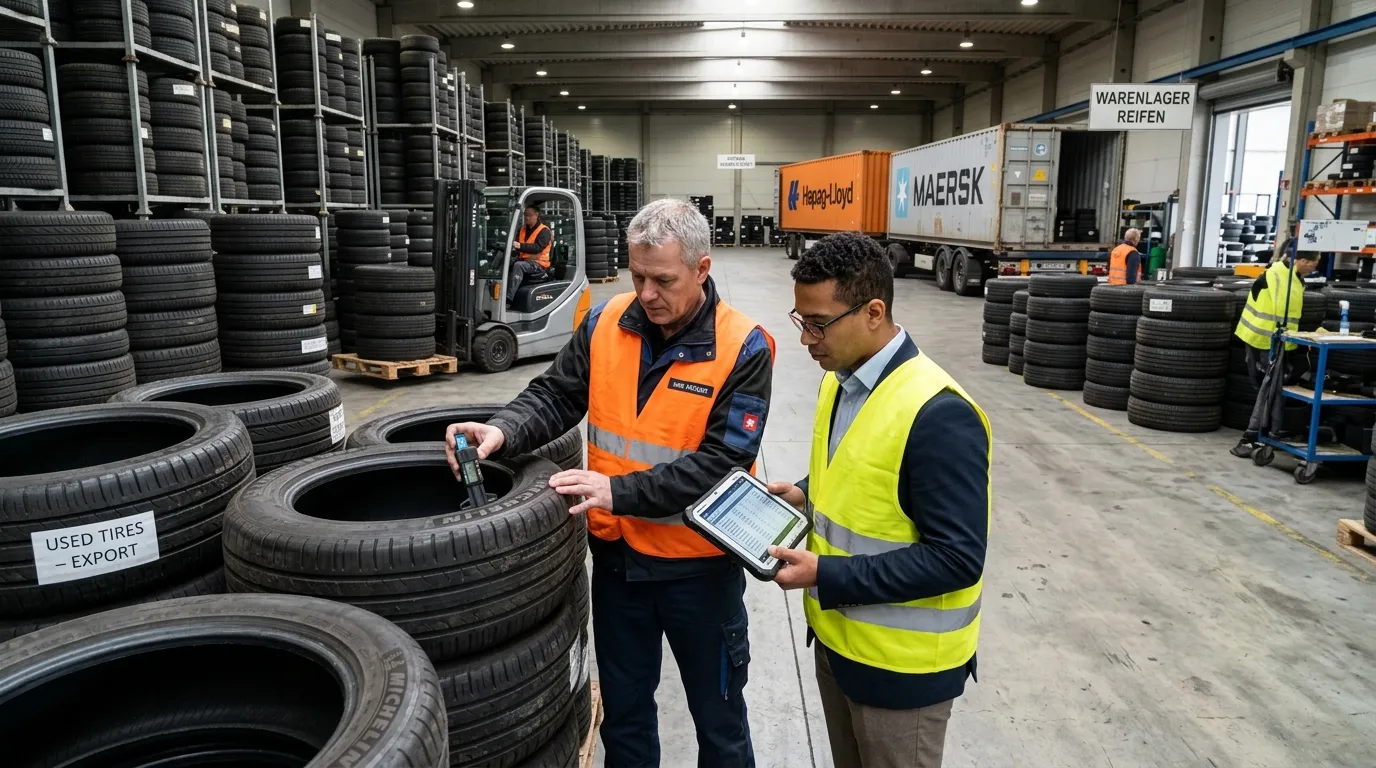
Grading Verification: Sorting passenger and SUV used tires by tread depth (5.5–8.0mm Grade A vs 3.5–5.0mm Grade B) with multi-point micrometer checks.
The 4 Used Tire Grade Tiers
- Grade A Premium (5.5 – 8.0+ mm): 70%–90%+ tread life remaining; zero repairs; pristine bead and sidewall; paired matching sets.
- Grade B Commercial (3.5 – 5.0 mm): 45%–65% tread remaining; up to 1 vulcanized crown combo patch permitted; high-margin container export.
- Retread Casings (R1 / R2 TBR): Sound structural carcasses (1.0–3.0mm tread) with virgin steel cords ready for hot/cold retreading.
- Scrap Rejection (< 2.5 mm): Torn beads, camber feathering >2.5mm delta, sidewall bulges, dry rot cracking, or run-flat carcass ruin.
Comprehensive Used Tires Technical Grading Matrix
Compare exact tread depth thresholds, allowable repair parameters, bead tolerances, and market applications across the 4 primary industry grades:
| Grade Tier | Tread Depth | Usable Life | Allowable Repairs | Casing & Bead Condition | Optimal Application |
|---|---|---|---|---|---|
| Grade A (Premium) | 5.5 – 8.0+ mm | 70% – 90%+ | 0 repairs (Zero patches) | Pristine bead & liner, Tier-1 brands | Domestic retail fitting & premium trade |
| Grade B (Commercial) | 3.5 – 5.0 mm | 45% – 65% | Max 1 crown combo patch | Clean bead, sound liner, mixed brands | Export containers (LATAM, Africa, Caribbean) |
| Retread Casing (R1) | 1.0 – 3.0 mm | Casing base | 0 structural cord damage | Virgin Michelin/Bridgestone TBR casing | Commercial truck tire retreading plants |
| Grade C (Scrap) | < 2.5 mm | < 15% (Scrap) | String plugs, sidewall cuts | Torn bead, internal rubber dust | Recycling / rubber crumb / pyrolysis |
Grade A Specifications: The Retail-Ready Standard
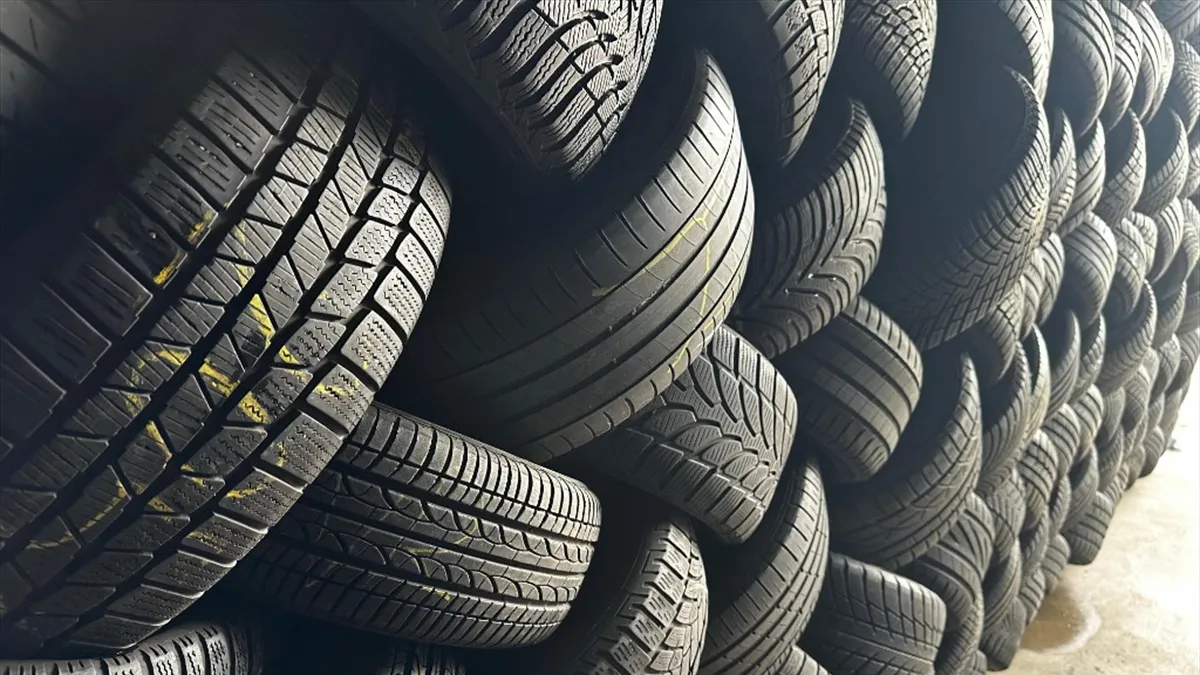
Grade A tires are sourced primarily from German seasonal switchover programs, fleet end-of-lease returns, and pre-delivery vehicle upgrades. They represent the highest echelon of used rubber, providing near-new performance at a fraction of factory cost.
Grade B Specifications: The High-Volume Commercial Export Standard
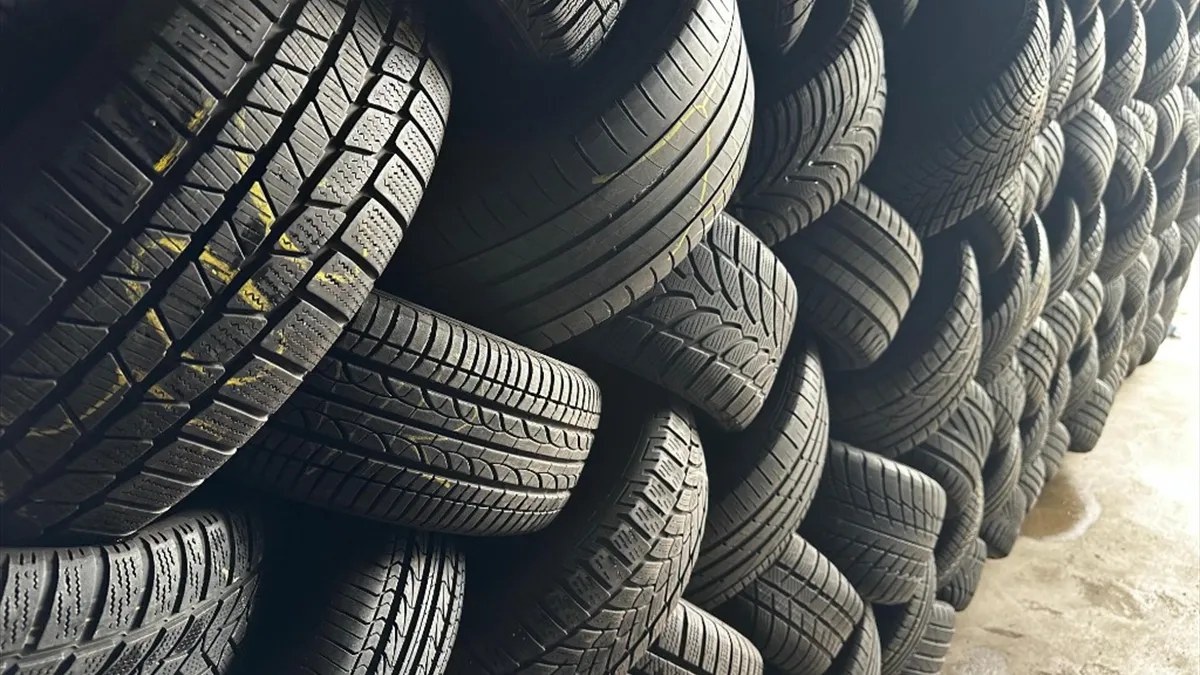
Grade B tires are the workhorses of international wholesale export. They offer solid, roadworthy tread life for price-sensitive consumer markets across Latin America, the Caribbean, West Africa, and Central Asia.
Multi-Point Tread Measurement & Wear Tolerances
A major beginner trap in wholesale purchasing is relying on a single average tread depth number. An advertised 5.5mm average can mask severe inner shoulder camber wear that makes a tire completely unsellable. To avoid these costly mistakes, professional buyers review the bulk used tire inspection checklist before authorizing shipments.
The 5-Zone Tread Rib Measurement Standard:
- Zone 1 Inner Shoulder: Camber wear audit
- Zone 2 Inner Rib: Intermediate channel
- Zone 3 Crown Center: Primary depth gauge
- Zone 4 Outer Rib: Intermediate channel
- Zone 5 Outer Shoulder: Cornering scrub audit
Grade A Wear Limits
- Maximum variance between Zone 1 and Zone 5 is ≤ 1.5 mm.
- Zero heel-and-toe feathering or acoustic cupping.
- Tread Wear Indicators (TWI at 1.6mm) show clear, deep relief.
Grade B Wear Limits
- Maximum variance across shoulders is ≤ 2.0 mm.
- Minor uniform center-rib wear from slight over-inflation accepted.
- Any tire with camber delta > 2.5 mm is downgraded to Grade C Scrap.
Allowable Repair Criteria: Crown vs. Sidewall
Repairs must comply with international RMA (Rubber Manufacturers Association) and ETRTO safety standards. Understanding what constitutes an acceptable vulcanized patch versus an illegal temporary string plug is critical to avoiding the hidden traps when buying wholesale used tyres.
Permitted in Grade B
Mushroom Combo Patch: A vulcanized rubber stem and interior reinforcement patch applied strictly within the central tread crown (excluding outer 1-inch shoulder zones). Maximum 1 patch per tire, puncture diameter ≤ 6mm.Strictly Prohibited (Grade C)
Strictly Prohibited (Grade C)
String Plugs (External Only): Brown string/rope plugs inserted without interior patch seals allow moisture to corrode internal steel belts, causing high-speed blowouts.Paired Matching Sets: Why Grade A Commands a 25% Premium
Modern vehicles with Electronic Stability Control (ESC), Anti-lock Braking Systems (ABS), and All-Wheel Drive (AWD) differentials require identical tire dimensions, rolling circumferences, and tread depths on the same axle.
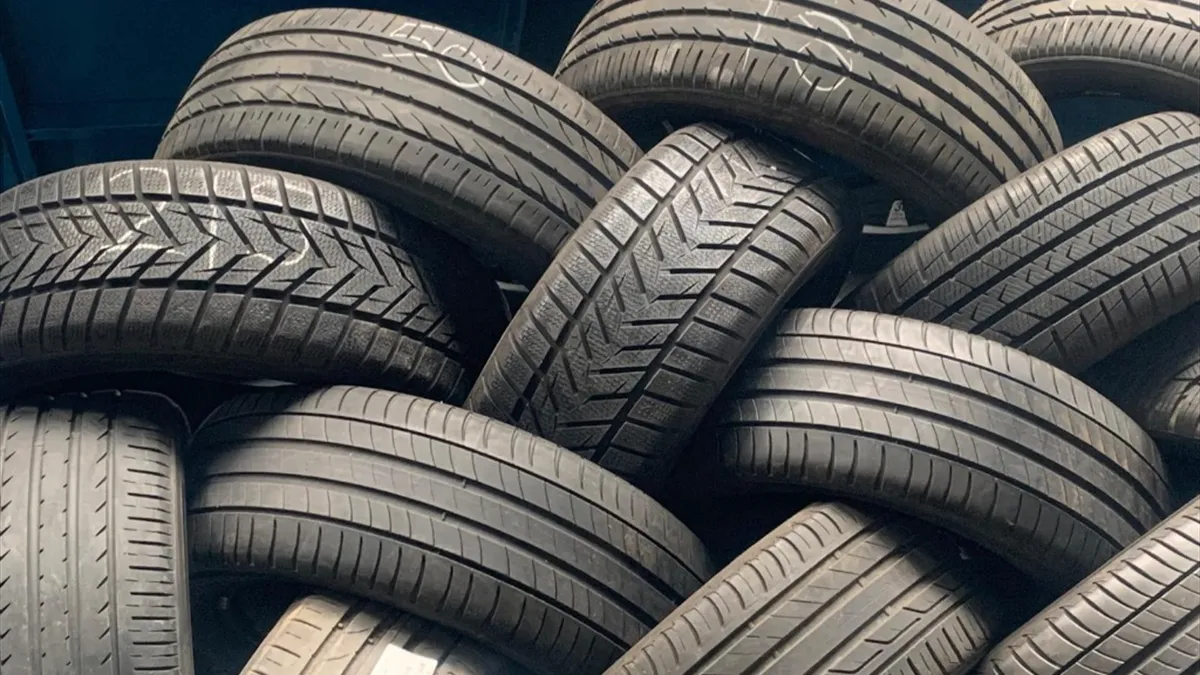
2x / 4x Paired Matching Sets:
- Identical make, model, tread pattern, and speed/load indices.
- Tread depth delta between companion tires is strictly ≤ 0.5 mm.
- Matching production DOT week/year (within 6 months).
- Ready for immediate customer axle installation with zero warehouse sorting.
- Commands a 25% to 35% wholesale price premium over singles.
1x Singles (Unmatched Odd Lots):
- Individual tires without a matching brand/pattern companion.
- Requires shop technicians to spend manual labour pairing them with existing inventory.
- Primarily sold for single-tire puncture replacements or spare wheel fitments.
- Sold at a 15% to 25% wholesale discount.
Commercial TBR Retread Casings (R1 & R2 Standards)
In commercial truck, bus, and radial (TBR) operations, tire casings are engineered for multiple lifespans. High-quality casings from European fleets represent high-value inventory for retreaders worldwide:
Grade R1 TBR Casing
Virgin steel cord casing that has worn down to 1.0mm–3.0mm of original factory tread but has never undergone retreading.
- Zero internal steel belt oxidation or separation.
- 100% shearography / high-voltage spark tested.
- Commands top market value for premium hot retreading.
Grade R2 TBR Casing
A casing that has completed one successful retread lifecycle and retains structural integrity for a second pre-cure ring retread.
- Sound bead bundle with zero mounting chafer abrasions.
- Passed pneumatic pressure testing at 8.0+ bar.
- Ideal for regional trailer and vocational truck fitments.
Pneumatic Pressure Testing: The Ultimate Quality Filter
Visual inspection alone is insufficient to identify subtle pinholes, micro-separations, or bead seal leaks. Every REIFTEIL Grade A and Grade B tire undergoes a standardized 4-stage quality control protocol:
Tread depth gauge, DOT age verification, and bead wire inspection.
Tactile check for run-flat rubber dust, internal cords, and patch seals.
Inflated to 2.5–3.5 bar on precision expansion rims to detect pinhole leaks.
Barcoded and paired into itemized container loading lists.
Frequently Asked Questions (FAQ)
What are the exact technical specifications for Grade A used tires?
Grade A used tires feature 5.5 mm to 8.0+ mm of remaining tread depth (70% to 90%+ usable life), even shoulder wear with less than 1.5 mm delta, zero puncture repairs or patches, pristine bead bundles, and premium Tier-1/Tier-2 European brand casings.
What defines a Grade B used tire in wholesale trading?
Grade B used tires feature 3.5 mm to 5.0 mm of tread depth (45% to 65% remaining service life). They may contain up to one professional vulcanized mushroom patch in the central crown area, but must have zero sidewall damage, zero bead tears, and intact casing integrity.
Why do paired matching sets of used tires carry higher wholesale value?
Vehicles require matching tread patterns and tread depths on the same axle to maintain electronic stability control (ESC), ABS calibration, and differential balance. Paired matching sets eliminate retail pairing labor and command a 20% to 35% wholesale price premium.
What is a Retread Casing (Grade R1 / R2) in commercial truck tires?
Retread casings are commercial TBR tires that have worn down to 1.0–3.0 mm of tread but possess virgin, undamaged steel cord casings (R1 = never retreaded first-life casing; R2 = second-life casing) suitable for hot or cold retreading.
What defects immediately classify a used tire as Grade C (Scrap)?
Tread depth under 3.0 mm, uneven shoulder camber wear exceeding 2.5 mm delta, torn bead chafer rubber, sidewall impact bulges, internal run-flat rubber dust, or aging cracks deeper than 1.0 mm classify a tire as scrap.
Which brand casings are most desirable in wholesale used tire trading?
Tier-1 premium brands including Michelin, Continental, Bridgestone, Goodyear, Pirelli, and Dunlop command the highest resale value due to their durable synthetic polymers and robust multi-ply internal steel belt packages.
How does tread depth grading correlate with remaining tire mileage?
On passenger cars, each 1.0 mm of usable tread represents roughly 7,000 to 10,000 km of driving. A Grade A tire with 6.5 mm of tread provides approximately 35,000 to 45,000 km of safe remaining road service.
How does REIFTEIL enforce transparent grading across wholesale orders?
REIFTEIL grades every tire with digital depth micrometers across 5 circumferential ribs, conducts 100% pneumatic pressure testing at 2.5 to 3.5 bar, and sorts orders into clearly certified Grade A and Grade B lots backed by contractual manifests.
Final Verdict: Standardized Grading Protects Dealer Margins
Strict grading eliminates customer returns, reduces inventory write-downs, and turns wholesale used tire purchasing into a predictable, high-margin revenue engine:
The Golden Grading Principles:
- Grade A for Domestic Retail: 5.5–8.0mm tread with zero repairs delivers maximum customer satisfaction and repeat workshop business.
- Grade B for Export Containers: 3.5–5.0mm tread provides reliable, roadworthy value for high-volume international trade.
- Demand Verified Manifests: Never buy vague lots—insist on multi-point inspection data and pressure test guarantees.
Order Certified Wholesale Used Tires with REIFTEIL
Eliminate grading uncertainty. REIFTEIL supplies certified Grade A and Grade B passenger, SUV, and commercial TBR tires with transparent size manifests, 100% pneumatic pressure testing, and compliant export shipping from European hubs.