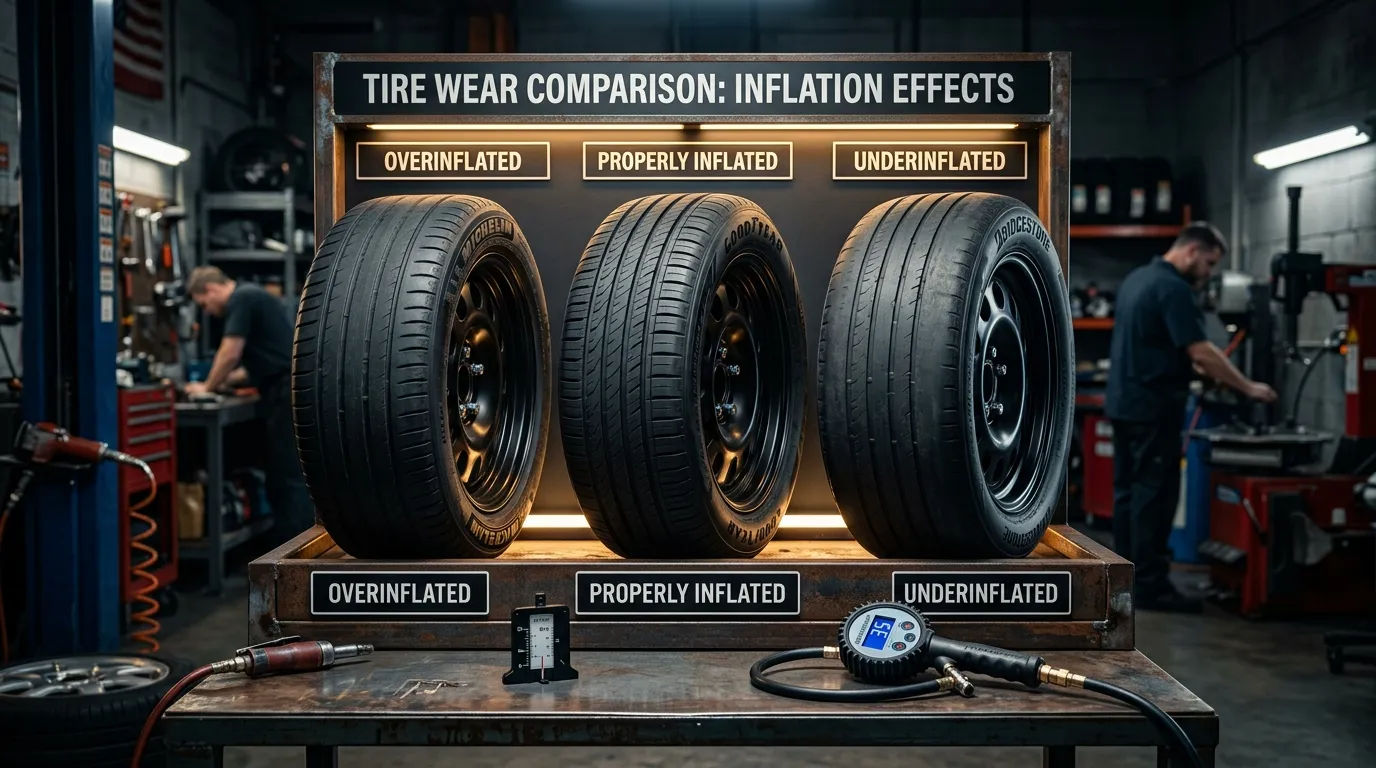
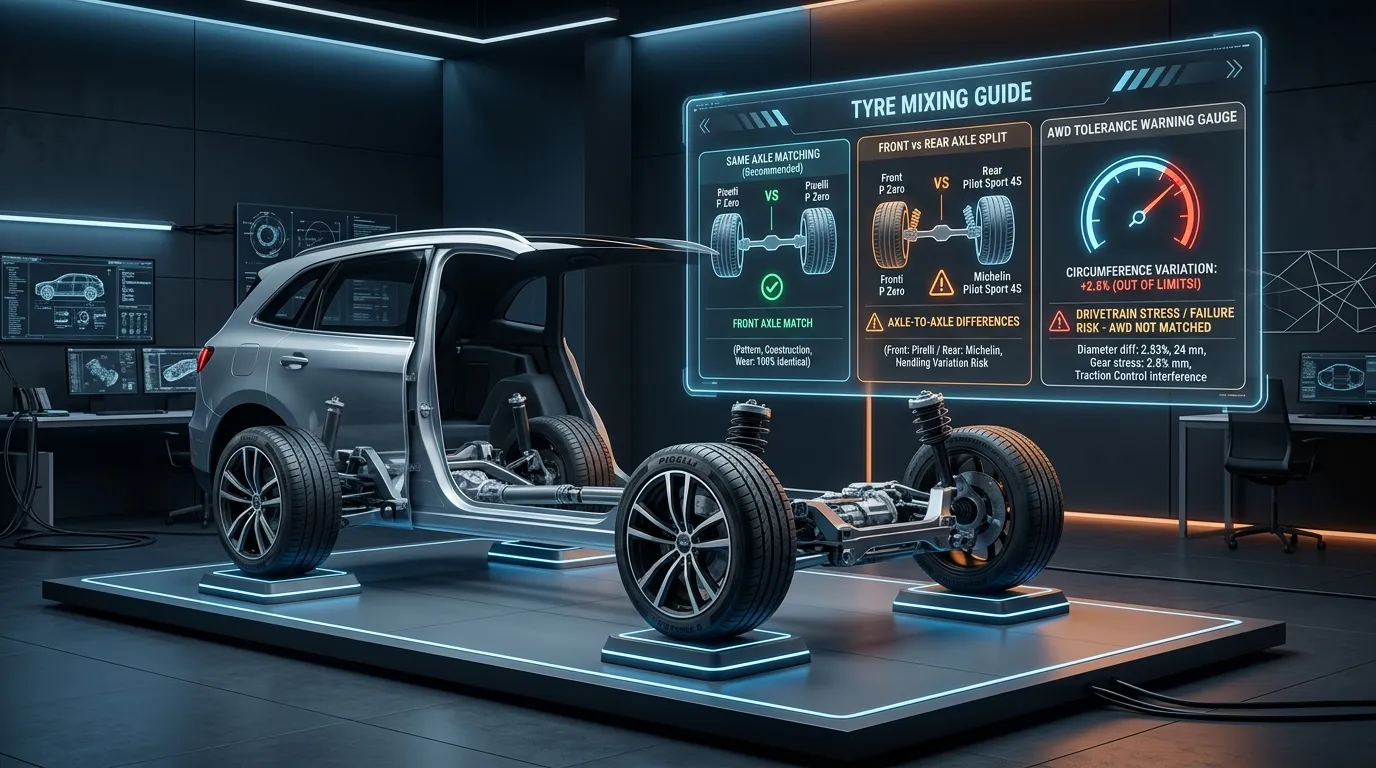
By deploying modular steel stillages, rounded vertical cantilever racks, and strict fire safety spacing, tire distributors maximize cubic warehouse density while preserving 100% tire quality.
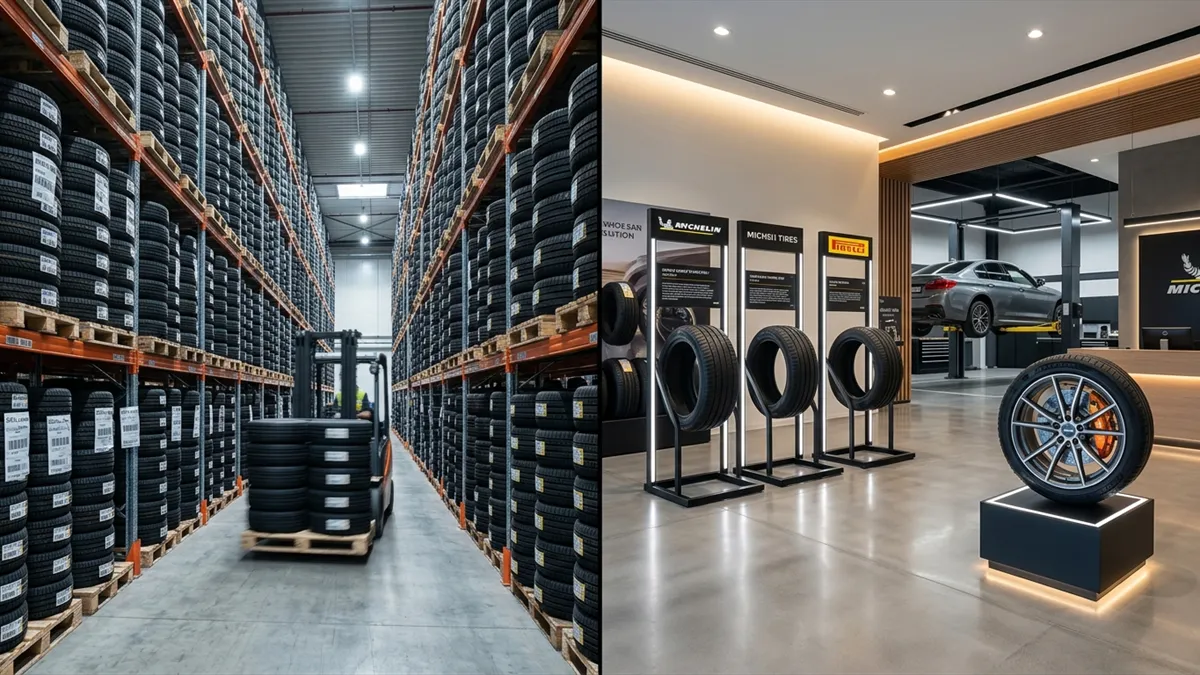
Warehouse Engineering: Combining 4-high stackable steel stillages with wide-aisle forklift navigation.
The 4 Warehouse Storage Protocols
Hold 80–120 unmounted tires per cage with zero bead weight compression on bottom layers.
Store high-velocity Class-A sizes vertically for rapid individual picking and dispatch.
Rotate vertically stored tires 90° monthly to prevent permanent tread base flat-spotting.
Maintain NFPA/VdS fire breaks and ensure top stillages sit at least 1.0m below sprinkler heads.
1. Storage Methods Comparison Matrix
Evaluate storage methods by tire application, height capacity, and deformation risk:
| Storage Method | Best Application | Max Safe Height | Deformation Risk | Space Efficiency |
|---|---|---|---|---|
| Modular Steel Stillages | Bulk wholesale / seasonal buffer stock | 4 – 5 High (5.5m) | Zero (weight on frame) | Maximum (85%) |
| Vertical Cantilever Racks | Fast-moving Class-A retail pick lines | 3 – 4 Tier Shelves | Low (rotate every 6 wks) | High (70%) |
| Horizontal Barrel Stacks | Mounted wheels on rims (1.0 bar) | 1.5 meters max | High on bottom unmounted | Moderate (50%) |
| Laced (Herringbone) | Container transport ONLY | Transit duration only | Severe bead torsional stress | Unsafe for Warehouses |
2. Fire Safety Standards for Tire Warehousing
Tires burn with extreme thermal intensity and dense toxic smoke. Compliance with NFPA 230 and European fire standards is mandatory:
2.4-Meter Clearances
Main access aisles must maintain a minimum width of 2.4 meters to allow emergency firefighting access and prevent fire jumping.
Early Suppression Systems
Deploy Early Suppression Fast Response (ESFR) ceiling heads with a minimum 1.0-meter clearance above the topmost tire stillage.
Chemical Isolation
Maintain a strict 6-meter separation between tire stacks and combustible lubricants, flammable solvents, or battery charging stations.
Frequently Asked Questions (FAQ)
What is the best storage method for unmounted Importing Tires in Bulk" class="internal-link font-semibold text-blue-600 hover:text-blue-800 hover:underline decoration-blue-300 decoration-2 underline-offset-2 transition-colors" data-inlink="true">wholesale tires?
For unmounted passenger and commercial tires, vertical storage on specialized rounded cantilever racks or modular stackable steel stillages is ideal. Vertical storage prevents bead compression and eliminates flat-spotting.
How should mounted tires (tires on rims) be stored differently from unmounted tires?
Mounted tires inflated to 1.0 bar (15 psi) should be stacked horizontally (barrel stacked) or hung by the wheel rim center bore on hooks. They should never be stored vertically without rims, as the wheel weight causes localized flat-spotting.
What is the maximum safe height for modular tire stillages?
Certified modular steel stillages can safely be stacked 4 to 5 units high (approximately 5 to 6 meters total height), provided the warehouse floor is level concrete and top stillages maintain at least 1.0 meter clearance below ceiling fire sprinklers.
How often should vertically stored tires be rotated on warehouse racks?
Tires stored vertically on static pipe racks should be rotated 90 degrees every 4 to 6 weeks to distribute static contact pressure and prevent permanent flat-spotting along the tread bottom.
What are the fire safety regulations governing wholesale tire storage?
Tire storage is classified as high-hazard commodity storage under NFPA 230 and European VdS guidelines. Warehouses must maintain 2.4-meter main aisle fire breaks, dedicated in-rack ESFR sprinkler heads, and concrete firewalls between storage bays.
Why is 'herringbone' (laced) stacking discouraged for long-term storage?
While herringbone (woven) stacking maximizes container shipping density, long-term warehouse storage in this position creates severe torsional stresses on tire beads, causing permanent carcass warping.
How far must tires be kept from electrical equipment and battery charging stations?
Tires must be stored at least 10 meters (33 feet) away from forklift battery charging stations, arc welding equipment, electric motors, and high-voltage transformers to eliminate atmospheric ozone attack.
How does REIFTEIL engineer its European distribution centers for optimal tire care?
REIFTEIL operates advanced, climate-monitored distribution hubs equipped with modular steel stillages, narrow-aisle guided reach trucks, and ESFR fire suppression, guaranteeing that all tires remain pristine until dispatch.
Final Verdict: Proper Storage Protects Your Inventory Assets
Deploying professional warehouse equipment preserves tire quality and speeds up fulfillment:
The Golden Summary:
- Deploy Steel Stillages: Protect lower tires from crushing and maximize vertical height.
- Enforce Fire Clearances: Maintain 1.0m sprinkler buffer and 2.4m main fire aisles.
- Partner with REIFTEIL: Access state-of-the-art warehouse fulfillment across Europe.
Scale Your Supply Chain with REIFTEIL
Connect your business to REIFTEIL's modern logistics hubs. Access certified steel stillage storage, rapid order picking, and guaranteed fresh tire deliveries across the UK and Europe.