In the international tire trade, dealing with unqualified export brokers or unverified manufacturing facilities can expose your capital to severe risks. This guide breaks down the exact verification, auditing, and contracting framework used by master tire importers.
The 4 Rules of Direct Factory Sourcing
1. International Sourcing Channels Compared
Compare financial barriers, minimum order quantities, and risk profiles across international procurement channels:
| Sourcing Channel | Minimum Order Size | Unit Price Level | Operational Risk |
|---|---|---|---|
| Direct Overseas Factory | 1–5 Full Containers (FCL) | Lowest (Ex-Factory) | High (Customs, quality, demurrage) |
| Master Importer (e.g. REIFTEIL) | 1 Pallet to Full Containers | Near-Factory Wholesale | Very Low (Domestic legal recourse) |
| Overseas Trading Company | 1 Container (FCL) | +8% to 15% middleman margin | Moderate (No plant ownership) |
| Online B2B Portal Broker | Variable | Unstable pricing | Very High (Scam & counterfeit risk) |
2. The 4-Step Factory Due-Diligence Audit
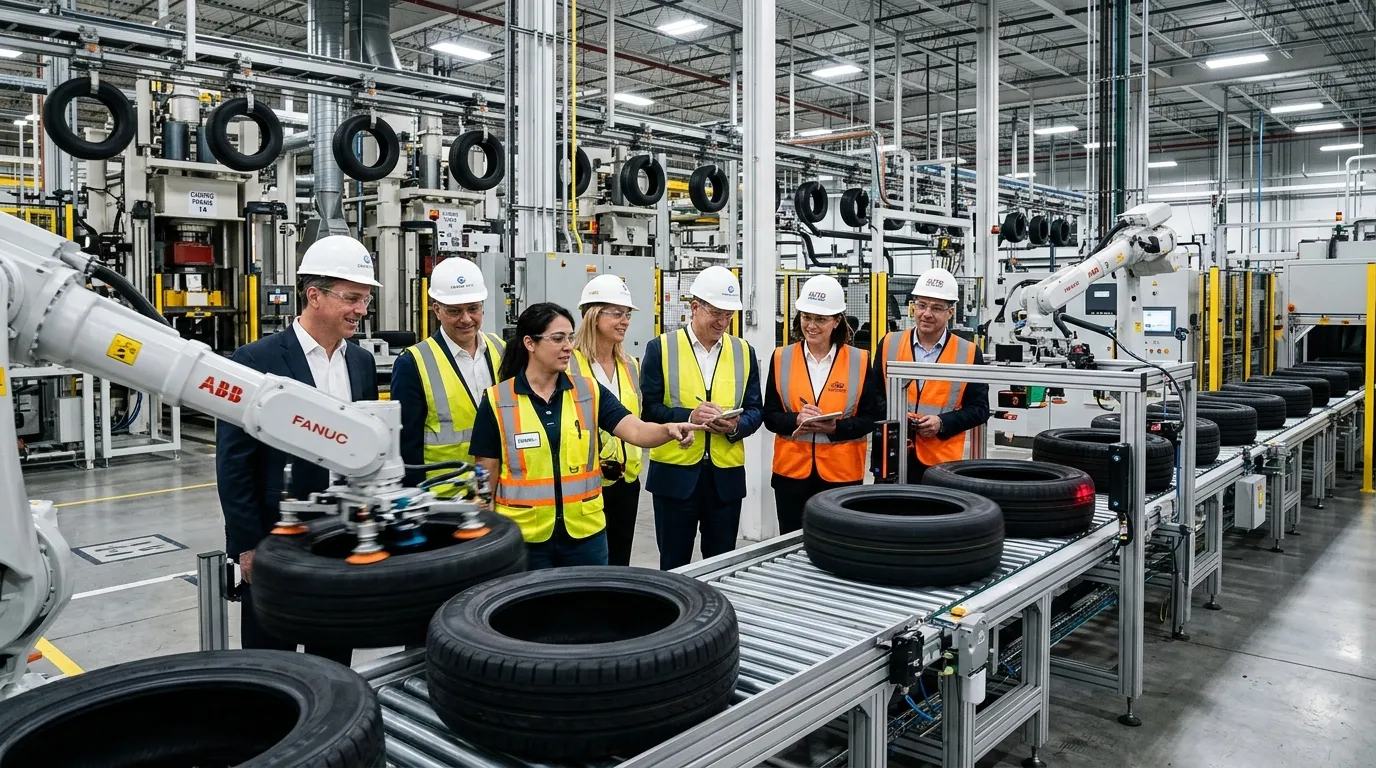
Before issuing a purchase order to an overseas tire manufacturer, mandate these 4 operational audits:
1. Equipment & Curing Automation
Verify the factory uses automated hydraulic segmented curing presses and Japanese/German tire-building machinery (such as Krupp, VMI, or Fischer) to ensure casing consistency.
2. ECE & 3PMSF Certification Test Reports
Request official homologation certificates issued by recognized European testing authorities (e.g. RDW Netherlands, KBA Germany, UTAC France) confirming wet grip and noise compliance.
3. Chemical Compounding & Silica Content
Audit the factory's Banbury compound mixing processes. High-grade PCR tires require high-dispersion silica compounds to achieve European wet braking Grade A/B ratings.
4. Pre-Shipment Container Lacing Audit
Inspect the factory's container packing technique. Improperly compressed herringbone lacing can permanently warp tire beads, making mounting impossible upon arrival.
Frequently Asked Questions (FAQ)
How do you distinguish a genuine tire factory from an intermediary trading company?
Inspect the supplier's commercial business license, plant ISO9001 certifications, physical factory address, and export customs records. Genuine manufacturers hold mold tooling patents and welcome live third-party factory video audits.
What is the safest payment method when buying tires from overseas factories?
For initial container orders exceeding $50,000, an Irrevocable Letter of Credit (LC at Sight) issued by a top-tier international bank provides the highest security. For established relationships, 30% TT deposit and 70% balance against Bill of Lading (BOL) copy is standard.
What are the minimum volume requirements for direct factory purchasing?
Direct tire factories typically require minimum orders of one full 40ft High Cube container per order (1,000–1,200 PCR tires or 240–280 TBR tires) and SKU-level minimums of 100 to 300 tires per size to justify mold setup.
How do buyers conduct third-party factory quality audits overseas?
Hire accredited international inspection agencies (such as SGS, TÜV, or Bureau Veritas) to conduct During Production Inspection (DUPRO) and Final Random Inspection (FRI), verifying DOT date codes, sidewall ECE markings, and casing uniformity.
What warranty terms should be negotiated with international tire suppliers?
Require a contractual 3 to 5-year manufacturing defect warranty with a fixed scrap allowance credit (typically 0.5%–1.0% off invoice) or digitized adjustment compensation within 14 days of submitted photo evidence.
How does currency risk affect direct overseas tire buying?
Most international tire transactions are priced in USD. Buyers in the UK (GBP) or Eurozone (EUR) should utilize forward currency contracts or currency hedging to lock in exchange rates before placing factory deposits.
What is private label contract manufacturing in the tire industry?
Large volume distributors can contract overseas factories to produce proprietary brand names on dedicated tread molds, requiring minimum annual commitments of 50,000 to 100,000 units and custom mold tooling investments.
Why do many dealers prefer buying through master importers like REIFTEIL rather than direct factory sourcing?
Master importers aggregate container buying power across dozens of factories, eliminating high single-SKU MOQs, customs clearance delays, ocean freight currency exposure, and unrecoverable overseas warranty disputes.
Final Verdict: Balance Direct Price with Execution Risk
Successful international tire sourcing requires combining direct pricing advantages with strong risk management:
The Golden Summary:
- Verify Plant Credentials: Inspect ISO certifications and European E-mark test reports.
- Protect Payment Capital: Utilize Irrevocable Letters of Credit for large initial shipments.
- Leverage Master Importers: Source through established partners like REIFTEIL to eliminate overseas logistics friction.
Source International Tires Without Overseas Risk
REIFTEIL bridges international manufacturing with domestic reliability. Access factory-tier pricing, full ECE/3PMSF compliance, and flexible mixed-pallet lots with guaranteed European/UK logistics.