Implementing a balanced 60/40 or 70/30 hybrid inventory strategy allows tire dealers to capture high-volume fleet customers while maximizing cash flow and bay revenue.
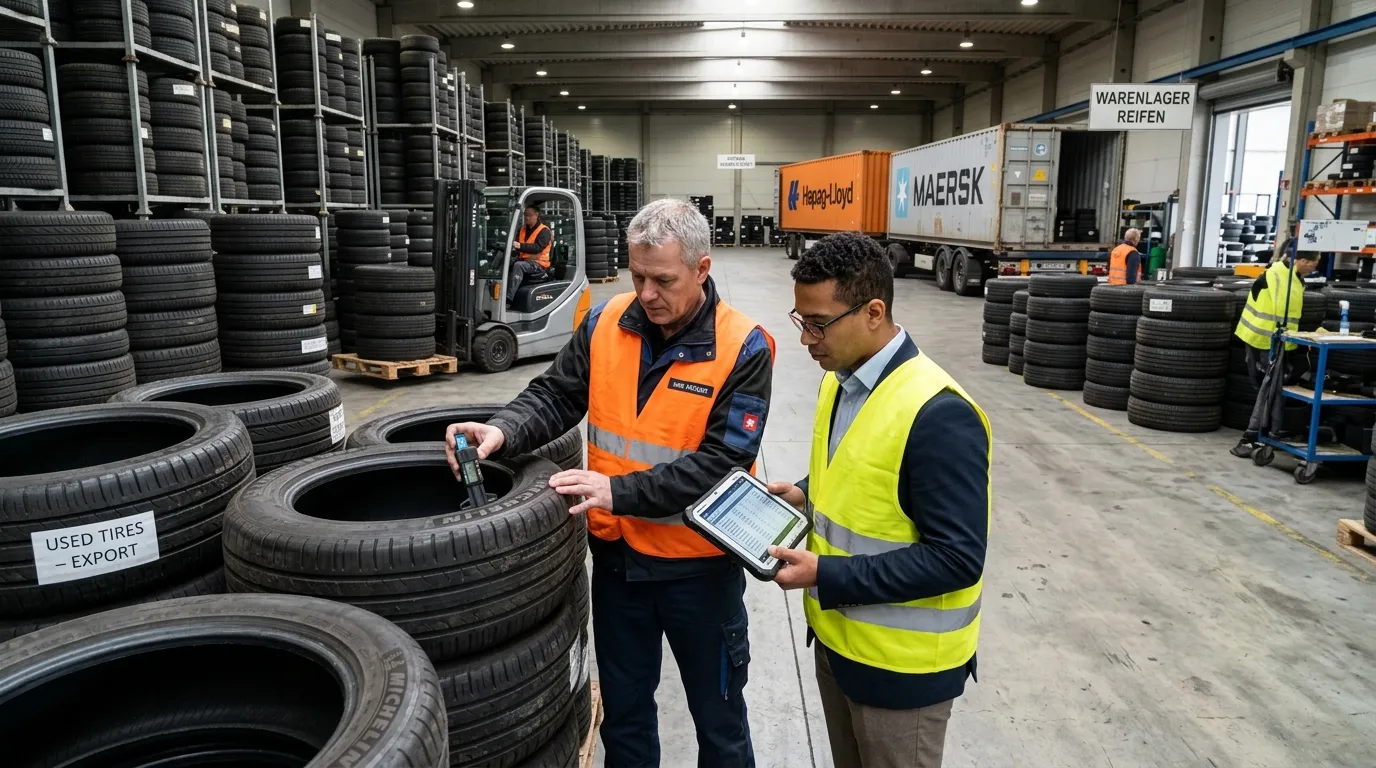
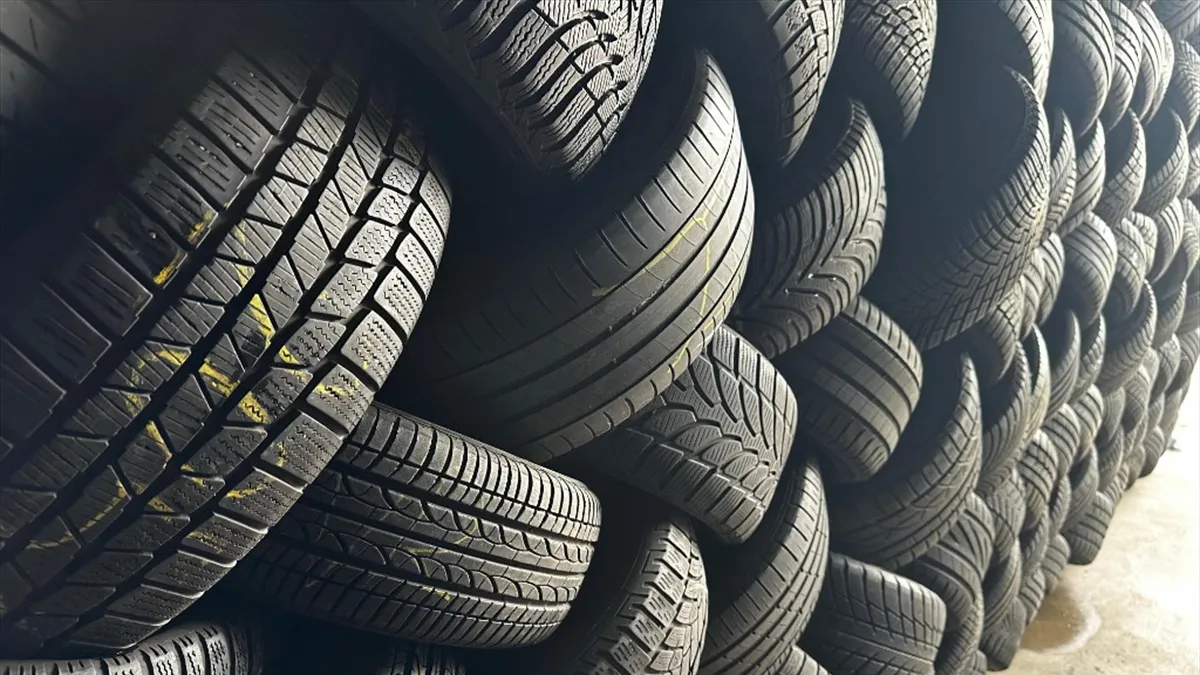
Hybrid Showroom: Combining factory-fresh new tires with certified Grade A European take-offs to capture all customer price points.
The 4 Strategic Pillars
- Profit Margin Superiority: Used tires yield 50%–65% gross margin vs 12%–18% on price-matched new tires.
- Customer Acquisition Velocity: Used tires attract price-sensitive rideshare fleets, used car dealers, and budget drivers.
- Working Capital Efficiency: €20,000 capital buys 400 new tires vs 1,200 Grade A used tires, tripling inventory turn.
- The 60/40 Hybrid Strategy: Stock 60% new tires for warranty stability and 40% Grade A used tires for high-margin cash flow.
New vs Used Tires: Financial & Operational Comparison
Compare business metrics, gross margins, capital requirements, and secondary service opportunities:
| Business Metric | New Budget / Mid-Tier | Grade A European Used | Strategic Dealer Advantage |
|---|---|---|---|
| Wholesale Unit Cost | €45 – €65 per tire | €14 – €22 per tire | 3x more inventory per € invested |
| Retail Installed Price | €60 – €80 | €40 – €60 | Highly attractive to budget customers |
| Gross Profit / Tire | €10 – €15 (15% margin) | €25 – €38 (55%–65% margin) | 2.5x higher dollar margin |
| Inventory Holding Risk | DOT aging after 3–4 years | Fast retail turns (2–4 weeks) | Rapid working capital turnover |
Customer Demographics: Who Buys Wholesale Used Tires?
Four high-velocity customer groups that drive consistent daily sales for used tire dealers:
1. Rideshare & Delivery Fleets:
Uber, Bolt, taxi, and courier drivers covering 60,000+ km annually. They prioritize cheap cost-per-kilometer and frequently replace tires every 4 to 6 months.
2. Independent Used Car Dealerships:
Auto dealers reconditioning trade-in vehicles for resale. They purchase Grade A sets (5.5mm+) to pass roadworthiness certifications at minimal overhead cost.
3. Lease Return Customers:
Drivers returning 3-year leased vehicles needing matching brand-name tires with >4.0mm tread to avoid heavy penalty charges from financing companies.
4. Emergency Single Blowout Swaps:
Customers suffering an unexpected sidewall blowout who cannot afford to purchase two brand-new tires on the same axle.
Frequently Asked Questions (FAQ)
How do gross profit margins compare between new and used tires for retail dealers?
New tires typically yield 12% to 20% gross margins due to intense e-commerce price transparency. In contrast, Grade A wholesale used tires deliver 50% to 65%+ gross profit margins, generating substantially higher cash return per service bay hour.
What customer segments actively seek out quality used tires?
Key buyer demographics include: 1. Rideshare and taxi fleet operators requiring low running costs, 2. Drivers preparing leased vehicles for return inspection, 3. Independent used car dealerships reconditioning inventory, and 4. Budget-conscious commuters needing a single replacement tire.
What is the recommended inventory split between new and used tires?
The most profitable independent workshops maintain a 70/30 or 60/40 hybrid stock model: 60% new fast-moving sizes for mainstream warranty clients and 40% Grade A/B used tires to capture price-sensitive walk-in traffic and maximize bay profit.
How should tire dealers manage liability and warranty on used tires?
Dealers should provide a written 30-day replacement warranty covering bead leaks or internal carcass separations, backed by transparent invoice disclaimers and 100% pre-installation pneumatic pressure testing.
Do used tire sales generate secondary revenue opportunities for workshops?
Yes. Every used tire sale provides equal opportunity to charge for wheel mounting, dynamic balancing, new rubber valve stems, and 4-wheel computer alignment, plus brake and suspension visual inspections.
Why is capital investment lower when building a used tire inventory?
A €20,000 working capital allocation purchases approximately 400 new mid-tier tires or over 1,200 Grade A European used tires, tripling inventory breadth and unit sales capacity.
Can a tire shop damage its brand reputation by selling used tires?
Only if they sell uninspected scrap. Selling certified Grade A European take-offs (5.5mm+ tread, Tier-1 brands like Michelin and Continental) enhances customer loyalty by offering premium brands at budget-friendly price points.
How does REIFTEIL support tire dealers with both new and used tire inventory?
REIFTEIL is a dual-source distributor, supplying factory-direct new PCR/TBR tires alongside pressure-tested, certified Grade A/B German used tires on flexible pallet or full container terms.
Final Verdict: Adopt the Hybrid Model to Maximize ROI
Pairing new and used tires creates a resilient, high-margin retail business:
The Golden Summary:
- Combine New and Used: Capture both warranty-seeking drivers and high-margin budget buyers.
- Achieve 50%+ Margins: Grade A used tires generate massive cash flow for your workshop.
- Dual-Source with REIFTEIL: Access new PCR/TBR and certified German used tires from one trusted supplier.
Source New & Certified Used Tires with REIFTEIL
Build a more profitable tire business. REIFTEIL supplies new factory PCR/TBR tires alongside inspected, Grade A used tires from Germany and the UK on mixed pallets or container loads.